






What's Happening?
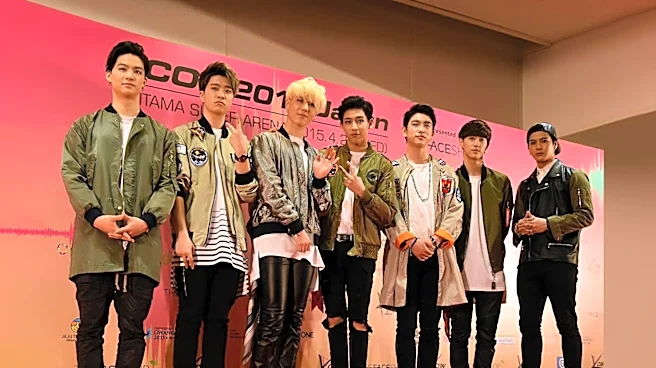
South Korean music company JYP Entertainment has initiated legal action in a federal court in California to identify an anonymous individual or entity responsible for bootlegging a new track by a member of its K-pop group, Stray Kids. The track, 'back
to life' by group member Han, was initially released on YouTube but not on other digital streaming platforms (DSPs). Shortly after its YouTube debut, the song appeared on various streaming services, including Instagram, TikTok, and Apple Music, under the false artist name 'New Vibs.' JYP Entertainment promptly notified its distributor, Symphonic, which subsequently removed the unauthorized track. However, JYP Entertainment is now seeking a subpoena to compel Symphonic to disclose the personal details of the individual behind 'New Vibs,' including their name, physical address, email address, and payment information. This move underscores the music industry's ongoing efforts to combat unauthorized distribution and copyright infringement in the digital age.
Why It's Important?
This legal action by JYP Entertainment highlights the significant challenges faced by the music industry in protecting intellectual property rights in the digital landscape. The unauthorized distribution of music, often referred to as bootlegging, can lead to substantial financial losses for artists and record labels, impacting revenue streams from legitimate streaming, sales, and licensing. For U.S. consumers and platforms, this case underscores the legal risks associated with hosting or distributing content without proper authorization. It also emphasizes the role of digital distributors and streaming services in policing their platforms for infringing content and their potential legal obligations to cooperate with copyright holders in identifying infringers. The outcome of this subpoena could set a precedent for how international music companies pursue copyright infringement cases against anonymous online actors within U.S. jurisdiction, potentially influencing future strategies for intellectual property protection and enforcement across the global entertainment industry.
What's Next?
Following the subpoena application, Symphonic will likely be compelled by the federal court in California to provide the requested information about the individual or entity operating under the 'New Vibs' alias. Once identified, JYP Entertainment is expected to pursue further legal action against the bootlegger, which could include copyright infringement lawsuits seeking damages and injunctive relief to prevent future unauthorized distributions. This case may also prompt other music labels and artists to adopt similar legal strategies to combat online piracy, potentially leading to an increase in such subpoena requests to U.S.-based digital platforms. Furthermore, the incident could encourage streaming services and distributors to enhance their content moderation and identification systems to proactively detect and remove unauthorized uploads, thereby strengthening their compliance measures and protecting legitimate content creators.
Beyond the Headlines
Beyond the immediate legal implications, this case touches upon broader issues of digital anonymity, intellectual property in the age of AI, and the evolving responsibilities of online platforms. The ease with which content can be uploaded and distributed anonymously across global platforms presents a persistent challenge for copyright holders. This incident also raises questions about the potential for AI-powered tools to both facilitate and combat content piracy, as AI could be used to generate or distribute unauthorized content, but also to detect and remove it. The legal pursuit of an anonymous bootlegger underscores the tension between user privacy and the need for accountability in online spaces. The outcome could influence policy discussions regarding platform liability and the balance between protecting individual anonymity and enforcing intellectual property rights, potentially shaping future regulations for digital content distribution and online conduct.