



What's Happening?
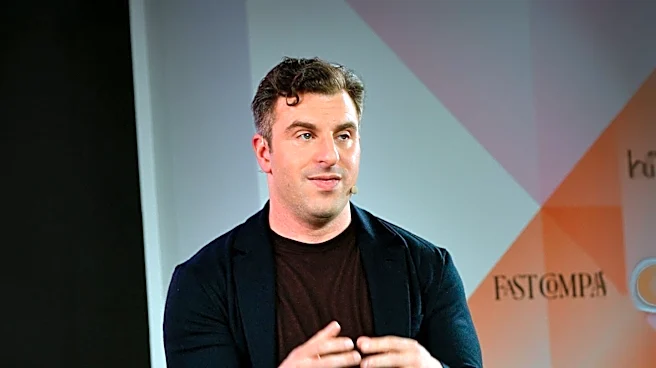
Airbnb co-founder and CEO Brian Chesky has articulated his perspective on why founder CEOs are exceptionally difficult to replace. His remarks, made on Monday, November 23, 2026, via X, suggest that these leaders often function as de facto chief product
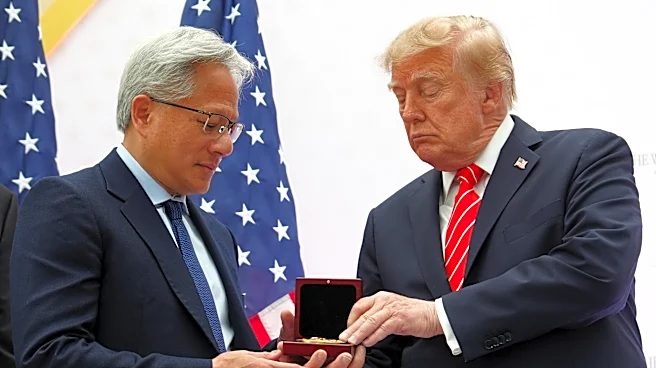
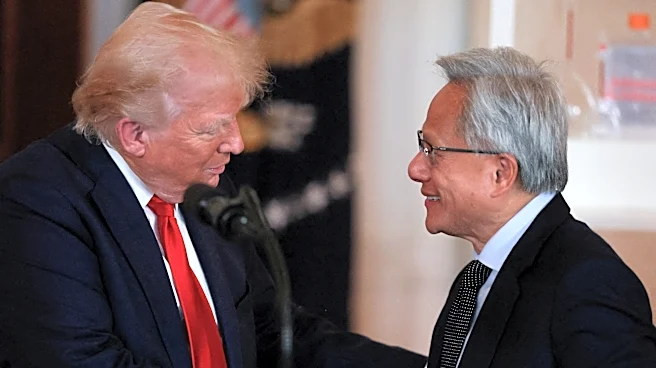
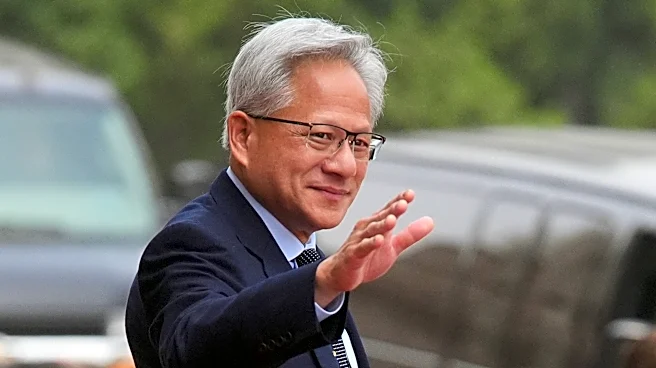
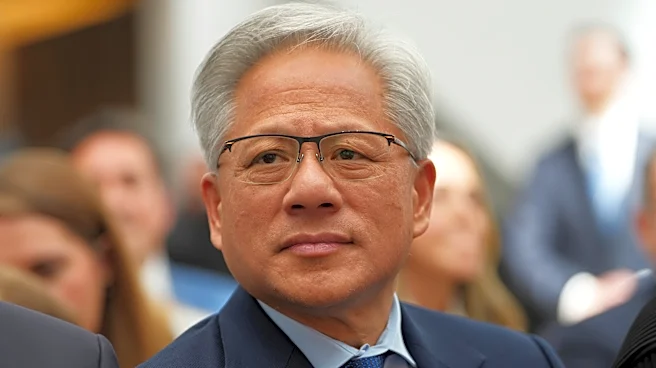
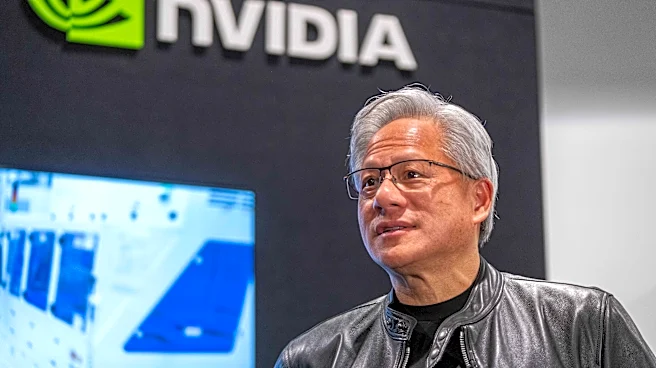
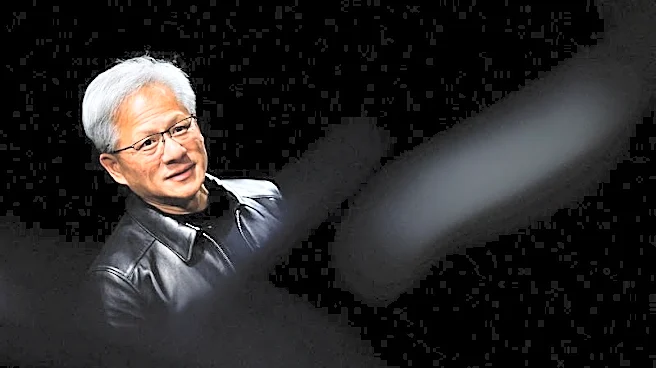
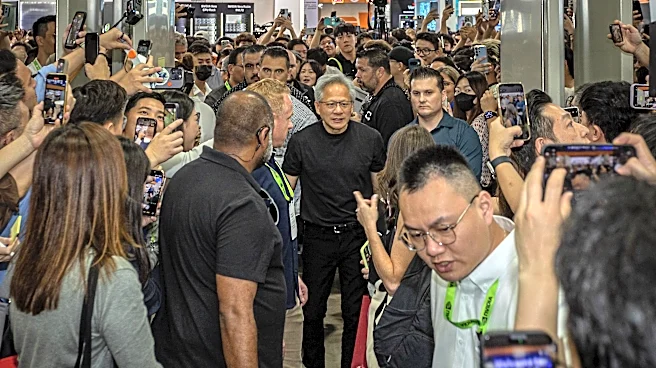
officers. Chesky argues that their deep understanding of a company's product, coupled with their authority to drive reinvention, is a unique combination rarely found in successors. This discussion comes amidst a significant debate in Silicon Valley concerning Jensen Huang's recent resignation and subsequent reinstatement as Nvidia's president, CEO, and board director. Huang's initial departure on November 12 sparked considerable pushback from prominent tech figures, including Shopify CEO Tobi Lütke and President Trump, ultimately leading to Nvidia's board unanimously reversing its decision and reinstating Huang.
Why It's Important?
Chesky's insights highlight a critical aspect of leadership succession in the tech industry, particularly for companies founded on innovative products. The argument that founder CEOs possess an unparalleled 'product intuition' and the authority to reinvent their offerings suggests that their departure can create a significant void beyond just the CEO role. This perspective is crucial for investors, boards, and employees, as it underscores the potential instability and strategic challenges that can arise when a founder CEO exits. The controversy surrounding Jensen Huang's brief departure from Nvidia exemplifies this, demonstrating the market's and key stakeholders' strong preference for founder leadership in certain contexts. The ability of a founder to hold the 'entire product in their head' and guide its evolution is presented as a competitive advantage that is hard to replicate, impacting long-term strategic direction and innovation.
What's Next?
The ongoing discussion initiated by Brian Chesky and the recent events at Nvidia are likely to prompt further examination of leadership structures and succession planning within the tech sector. Companies, especially those with strong product-driven cultures, may re-evaluate their strategies for retaining founder CEOs or for developing internal talent that can replicate their unique contributions. This could lead to new models for executive transitions that prioritize product stewardship alongside operational management. The debate also sets a precedent for how boards and stakeholders might react to future founder CEO departures, potentially increasing pressure for reinstatements or for more robust succession plans that address the 'product role' void. The influence of prominent figures like President Trump in such corporate decisions also signals a broader interest in the stability and leadership of key American tech companies.
Beyond the Headlines
Chesky's comments delve into the less tangible, almost intrinsic, value that founder CEOs bring to a company—a value that extends beyond traditional management functions. This perspective suggests that the 'product role' is not merely a job description but a deeply ingrained understanding and vision that shapes the company's identity and trajectory. The difficulty in replacing this role raises questions about the nature of corporate leadership in an era dominated by rapid technological change and innovation. It implies that for certain companies, the founder's vision is so intertwined with the product that separating the two can be detrimental. This could lead to a re-evaluation of corporate governance models, potentially favoring structures that allow founders to maintain significant influence or that cultivate a 'product-first' leadership culture throughout the organization, even after the founder's eventual departure.