






What's Happening?
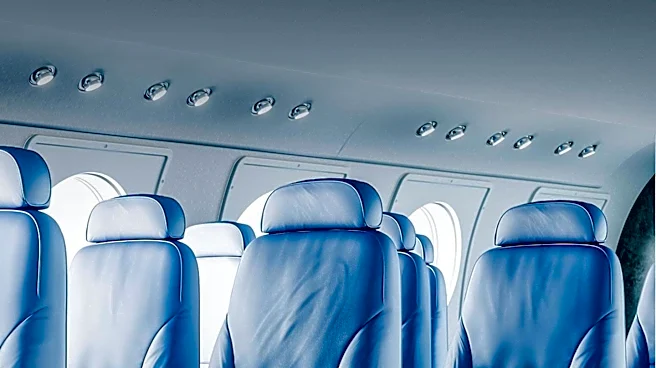
United Airlines is embroiled in a class action lawsuit alleging that the airline charged passengers extra for window seats that did not actually have windows. A federal judge, James Donato, in California's Northern District, has ruled against United's
attempt to dismiss the case, allowing the lawsuit to proceed. The legal action, initiated by the New York law firm Greenbaum Olbrantz, claims that United's booking system misrepresented certain seats as window seats, leading passengers to pay a premium for seats that lacked an exterior window due to aircraft design. The lawsuit argues that United failed to clearly identify these seats on its digital seat maps, despite having the capability to do so. In response to the lawsuit, United has updated its website and app to provide more detailed information about seat selection.
Why It's Important?
This lawsuit highlights significant issues in airline seat merchandising and transparency, particularly as airlines increasingly rely on ancillary revenue from paid seat selections. The outcome of this case could set a precedent for how airlines represent and charge for seat selections, potentially impacting industry practices and consumer rights. If the plaintiffs succeed, it could lead to increased scrutiny of airline booking practices and possibly result in financial repercussions for United Airlines. Additionally, the case underscores the importance of clear communication and transparency in consumer transactions, which could influence regulatory policies and consumer protection laws.
What's Next?
As the lawsuit progresses, United Airlines may face increased legal scrutiny and potential financial liabilities if the court rules in favor of the plaintiffs. The case could also prompt other airlines to review and possibly revise their seat selection and pricing strategies to avoid similar legal challenges. Furthermore, the outcome may influence ongoing and future lawsuits against other airlines, such as the similar class action against Delta Air Lines. Stakeholders, including consumer advocacy groups and regulatory bodies, may also become more involved in ensuring fair practices in airline seat merchandising.