


What's Happening?
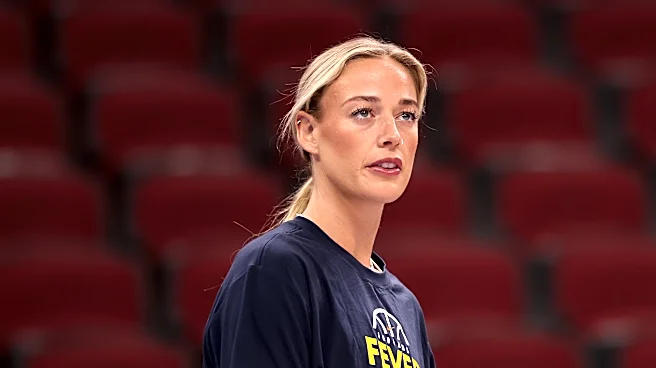
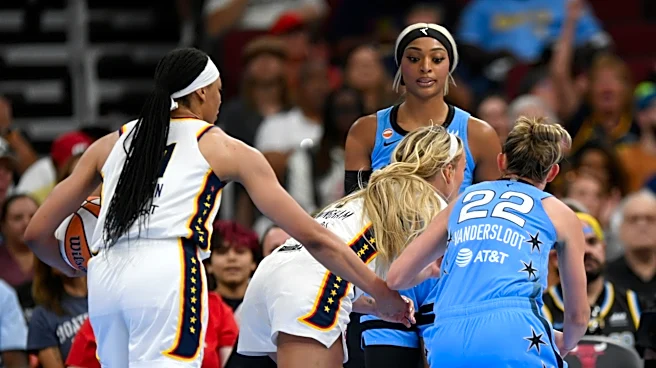
WNBA Commissioner Cathy Engelbert has announced the formation of a task force to address the ongoing debate regarding transgender athletes in women's basketball. This decision follows recent comments by Indiana Fever player Sophie Cunningham, who expressed
support for barring transgender women from participating in women's sports. These comments have sparked protests and rallies in various cities. The league has not made any public comments on the issue, but Engelbert emphasized that the WNBA will approach the topic thoughtfully and in alignment with its values. The league's collective bargaining agreement currently states that only women are eligible to play, without specifying gender identity. The task force, consisting of team presidents and general managers, will discuss the issue in an upcoming meeting. The WNBA Players Association has also released a statement supporting diversity and inclusion, while rejecting the use of the issue as a political tool.
Why It's Important?
The debate over transgender athletes in sports is a significant issue that touches on broader societal discussions about gender identity, inclusion, and fairness in competition. The WNBA's handling of this issue could set a precedent for other sports leagues facing similar challenges. The league's decision to form a task force indicates a commitment to addressing the complexities of the issue in a structured manner. This development is important for stakeholders, including players, teams, and fans, as it could influence league policies and the broader sports community's approach to transgender participation. The outcome of these discussions may impact the league's reputation and its alignment with values of diversity and inclusion.
What's Next?
The task force will convene to discuss the issue further, with the potential for new policies or guidelines to be developed. The WNBA plans to hold additional discussions and listening sessions with team leaders and the Players Association. The league's approach and any resulting decisions will likely be closely watched by other sports organizations and advocacy groups. Reactions from political leaders, civil rights organizations, and the public could influence the direction of these discussions. The league's commitment to thoughtful and respectful dialogue suggests that any changes will be carefully considered and aimed at balancing fairness in competition with inclusivity.