








What's Happening?
A growing trend among parents to push children into early specialization and intensive training in youth sports is leading to negative consequences for kids' mental health and overall well-being. While sports participation is generally linked to higher
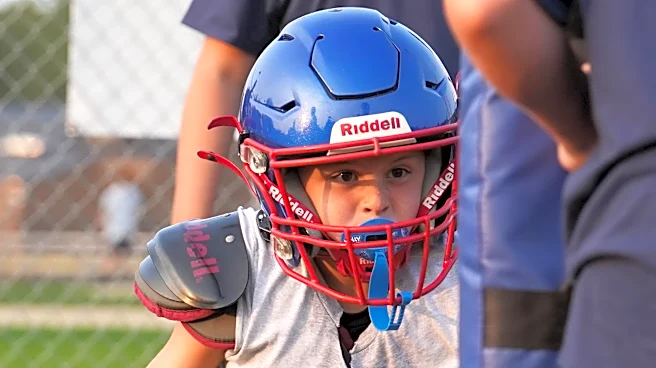
self-esteem, greater life satisfaction, and reduced depression and anxiety, these benefits are tied to sustained, enjoyable, and well-rounded involvement, not elite performance. Dr. Edith Bracho-Sanchez, a primary care pediatrician at Columbia University Irving Medical Center, highlights that the shift from unstructured, local games to competitive travel teams and private academies, which began in the 1990s and 2000s, has created a culture where parents feel compelled to optimize their child's athletic potential. This pressure often results in children losing the fun aspect of sports, leading to burnout, anxiety, depression, and ultimately, attrition. The primary reason cited by children for quitting sports is that 'it's not fun anymore,' rather than injury or lack of talent.
Why It's Important?
This trend has significant implications for the mental and physical health of American youth. The emphasis on early specialization and intense training contradicts the recommendations of organizations like the American Academy of Pediatrics, which advocate for diverse sports participation and a focus on enjoyment. The pursuit of college scholarships or professional careers through sports is often unrealistic, with only a small percentage of high school athletes achieving these goals. This misplaced focus can deprive children of the broader developmental benefits of sports, such as building confidence, regulating stress, and learning teamwork, which are fostered in a less pressurized environment. The rise in burnout and mental health issues among young athletes could lead to a generation less engaged in physical activity, impacting long-term public health and potentially increasing healthcare burdens related to sedentary lifestyles and mental health conditions.
What's Next?
To counteract these negative trends, parents are encouraged to prioritize fun and well-rounded participation over elite performance. This includes allowing children to play multiple sports, accepting losses without excessive consequence, and ensuring practices are enjoyable rather than dreaded. The example of Norway's Olympic gold-medal-winning approach, which emphasizes fun and broad participation, serves as a model. Pediatricians and child psychologists will likely continue to advocate for a return to a more balanced approach to youth sports, focusing on the intrinsic benefits of play and physical activity. Educational campaigns for parents could help shift perceptions away from the 'career on-ramp' mentality and back towards sports as a means for holistic child development. The sports industry may also need to adapt by offering more recreational and less competitive options to retain young athletes and promote healthier engagement.
Beyond the Headlines
The issue of parental involvement in youth sports reflects broader societal pressures and anxieties about success and future opportunities for children. The commercialization of youth sports, with its lucrative industry of private coaching and 'elite' academies, has created a market-driven narrative that often overshadows the developmental needs of children. This phenomenon also touches upon the psychological impact of parental expectations, where children may internalize the pressure to perform, leading to identity issues and a fear of failure. The long-term societal consequence could be a generation of young adults who associate physical activity with stress and competition rather than joy and well-being, potentially contributing to higher rates of physical inactivity and mental health challenges. Re-evaluating the purpose of youth sports requires a cultural shift that values intrinsic motivation, personal growth, and the joy of movement above external achievements and competitive outcomes.