



What's Happening?
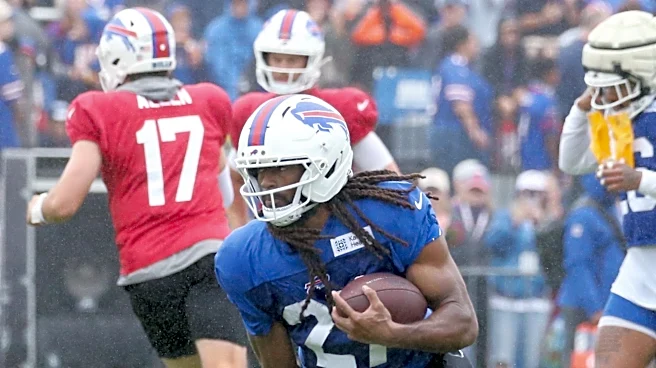
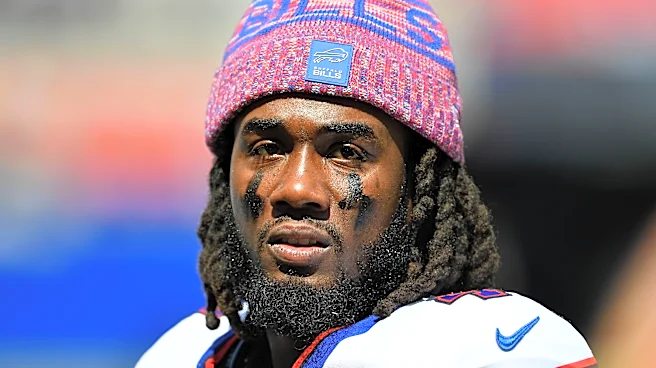
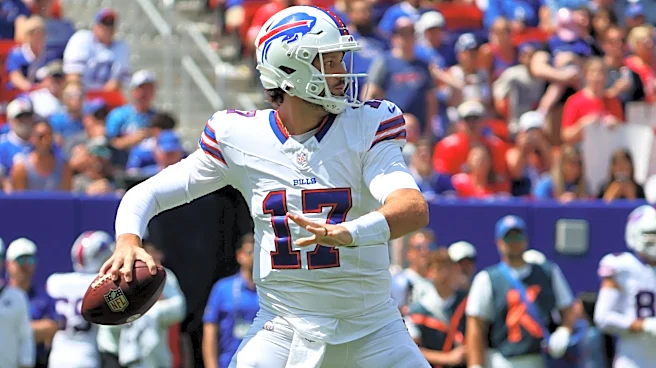
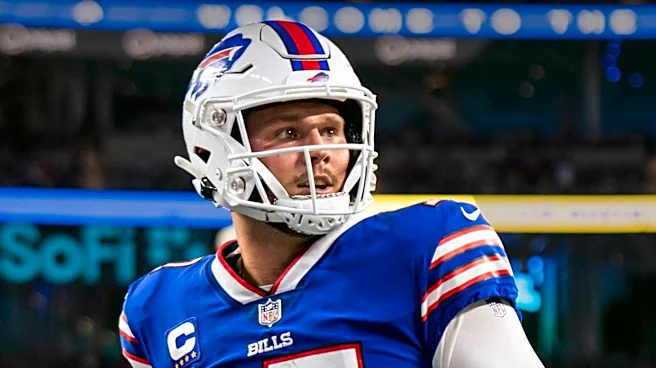
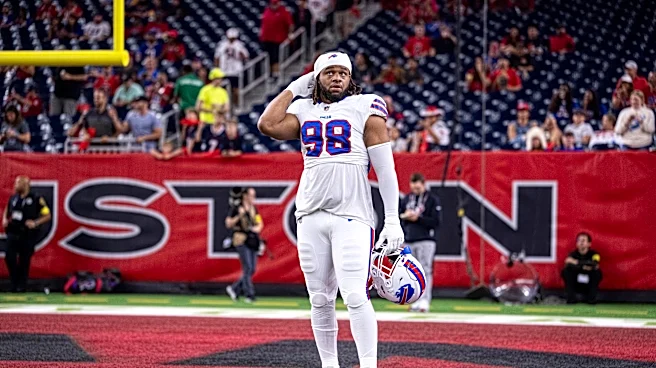
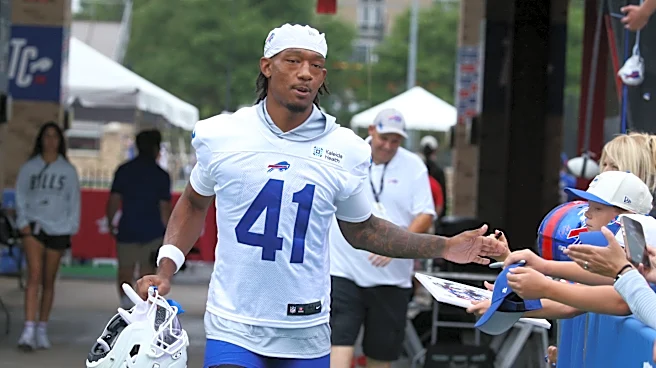
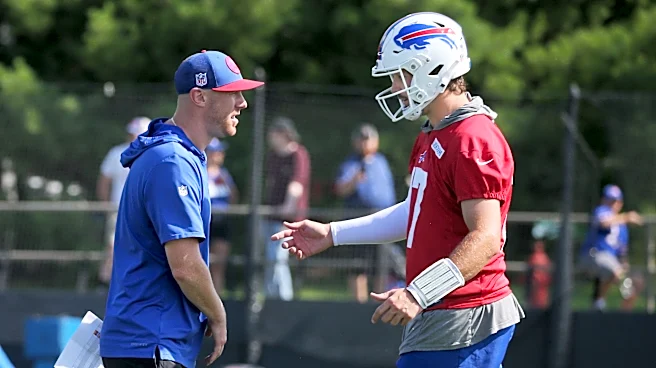
Buffalo Bills quarterback Josh Allen has voiced his profound sadness and anger regarding the premature public disclosure of the tragic death of teammate Ed Oliver's 2-year-old son. The news, which circulated on social media and was later reported by TMZ
Sports, came out before Oliver and his family had the opportunity to share it on their own terms. According to Allen, many Bills reporters were aware of the incident, which occurred nearly two months prior on June 28, but had respectfully withheld the information. Allen emphasized the importance of allowing Oliver to grieve privately and control the narrative surrounding such a personal tragedy. The leak has sparked a broader discussion about journalistic integrity and the ethical considerations involved in reporting sensitive personal news, especially when it concerns public figures.
Why It's Important?
This incident highlights critical issues surrounding privacy, journalistic ethics, and the impact of social media in the digital age, particularly for public figures like professional athletes. The premature leak of such deeply personal and tragic news can inflict additional emotional distress on grieving families, stripping them of the agency to share their story when and how they choose. For sports organizations and media outlets, it underscores the delicate balance between reporting newsworthy events and respecting individual privacy. The reaction from Josh Allen and other Bills personnel, who were aware of the tragedy but chose to remain silent out of respect, sets a precedent for how sensitive information should be handled. This event could lead to increased scrutiny of how news, especially personal tragedies, is disseminated, potentially influencing future media practices and the expectations placed on journalists regarding privacy and compassion.
What's Next?
In the immediate aftermath, the Buffalo Bills organization has released an official statement publicly expressing condolences to Ed Oliver and his family, affirming their support during this difficult time. The ongoing discussion among journalists and on social media regarding the ethics of reporting such sensitive information is likely to continue, potentially leading to internal reviews or renewed emphasis on ethical guidelines within newsrooms. For Ed Oliver, the focus will be on receiving support from his team and family as he navigates his grief in the public eye. This incident may also prompt athletes and public figures to re-evaluate their interactions with the media and consider stricter measures to protect their privacy, especially concerning personal and family matters. The broader sports media landscape might see a push for more compassionate reporting practices in similar situations.
Beyond the Headlines
The controversy surrounding the leak of Ed Oliver's son's death extends beyond immediate journalistic practices, touching upon the evolving nature of privacy in an interconnected world. The incident raises questions about the responsibility of individuals on social media, where rumors can quickly escalate into widespread public knowledge without verification or consideration for those affected. It also highlights the unique challenges faced by public figures, whose personal lives are often subject to intense scrutiny and speculation. This event could serve as a catalyst for a broader conversation about the boundaries of public interest versus personal privacy, particularly when tragedy strikes. It underscores the ethical imperative for empathy and discretion, reminding us that behind every public figure is a human being deserving of respect and privacy during moments of profound personal loss, irrespective of their public status.