



What's Happening?
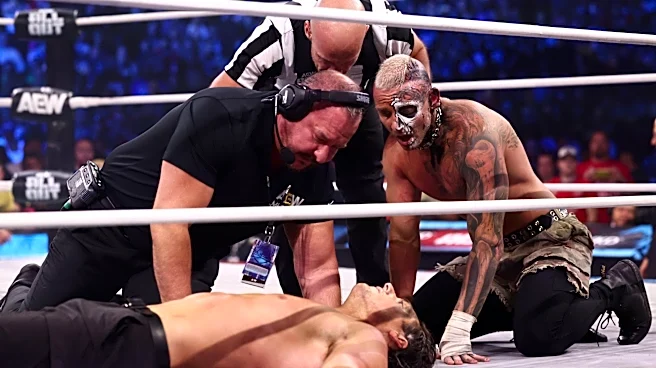
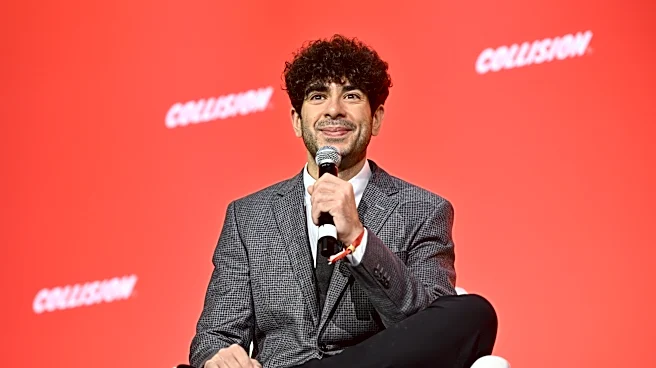
AEW President Tony Khan addressed reports indicating that sources within WWE were surprised by the strong ticket sales for AEW's All Out event. During a post-All Out Media Scrum, Khan expressed his astonishment at WWE's reported surprise, highlighting
AEW's consistent success in selling out venues. He pointed out that AEW has sold out the NOW Arena, the venue for All Out, multiple times in the past and is currently experiencing a 'fantastic' year. Khan emphasized that underestimating AEW would be a mistake, citing the promotion's track record of defying odds and succeeding. The comments came after Fightful Select reported that WWE sources admitted they did not expect AEW to sell out the NOW Arena, despite WWE scheduling its Worlds Collide event on the same day as All Out, with the intention of impacting AEW's sales. Khan reiterated his confidence in AEW's performance, noting that both the ticket sales and pay-per-view numbers for All Out were strong.
Why It's Important?
This exchange underscores the intensifying rivalry between All Elite Wrestling (AEW) and World Wrestling Entertainment (WWE), the two dominant professional wrestling promotions in the U.S. The reported surprise from WWE regarding AEW's ticket sales, coupled with WWE's counter-programming efforts, indicates a competitive landscape where both companies are actively vying for market share and audience attention. For the professional wrestling industry, this competition can lead to higher quality shows, more innovative storytelling, and better opportunities for wrestlers, as each promotion strives to outperform the other. For fans, it means a wider array of content and events to choose from. The financial success of events like All Out is crucial for AEW's continued growth and ability to challenge WWE's long-standing dominance. If AEW consistently demonstrates strong ticket and pay-per-view sales, it strengthens its position as a viable alternative and could influence future broadcasting deals, talent acquisitions, and overall industry dynamics. Conversely, WWE's attempts to counter-program suggest they perceive AEW as a significant competitor, validating AEW's impact on the industry.
What's Next?
The ongoing competitive dynamic between AEW and WWE is likely to continue, with both promotions strategizing to maximize their audience and revenue. WWE's reported attempts at counter-programming suggest a continued effort to impact AEW's market performance, which could manifest in future scheduling conflicts or strategic event placements. AEW, under Tony Khan's leadership, is expected to maintain its aggressive growth strategy, focusing on delivering high-quality events and expanding its fan base. This could involve further international expansion, as hinted by Khan's openness to staging shows in Mexico and Japan, and continued investment in talent. The success of events like All Out will likely encourage AEW to pursue more large-scale events and potentially explore new broadcast opportunities. The rivalry may also lead to increased competition for top wrestling talent, as both companies seek to bolster their rosters. Fans can anticipate a continued period of intense competition, potentially resulting in more compelling storylines and high-profile matches as each promotion aims to capture and retain viewership.
Beyond the Headlines
Beyond the immediate competition for ticket sales and viewership, this rivalry highlights a broader shift in the professional wrestling landscape. For decades, WWE held a near-monopoly in the U.S., but AEW's emergence has introduced a significant challenger, fostering a more competitive and dynamic environment. This competition can lead to a more diverse product offering, catering to different fan preferences and potentially pushing the boundaries of traditional wrestling entertainment. Ethically, the reported attempts at counter-programming raise questions about fair competition and market tactics within the entertainment industry. While competition is generally beneficial, aggressive strategies could lead to debates about their impact on the overall health and growth of the sport. Culturally, the success of AEW reflects a demand for alternative wrestling products and a willingness among fans to support new ventures. This could inspire other entrepreneurial efforts in niche entertainment markets, demonstrating that established giants can be challenged by well-executed, fan-focused alternatives. The long-term implications could include a more fragmented but ultimately richer professional wrestling ecosystem, with multiple strong promotions coexisting and innovating.