









What's Happening?
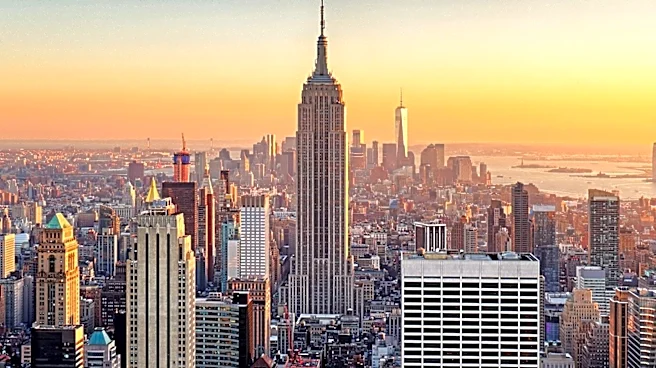
New Yorkers are increasingly frustrated with the city's growing line culture, as highlighted in a recent article. The obsession with exclusivity has led to long waits for various events, from food trends to exclusive merchandise drops. This trend reflects
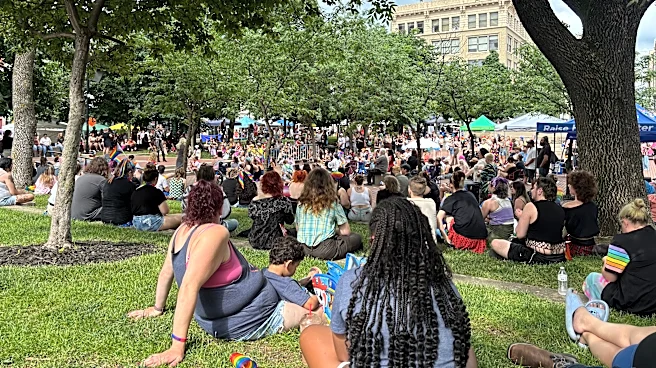
a shift where scarcity is often valued more than quality. The phenomenon has become so widespread that creators are now documenting the lines themselves as a form of content. Social media has played a significant role in this shift, turning lines into a form of advertising and creating demand where there was none. The sight of people waiting outside a business has become its own form of endorsement, with the line itself becoming part of the product.
Why It's Important?
The growing line culture in New York City highlights a significant shift in consumer behavior, where the experience of waiting has become a status symbol. This trend has implications for businesses, as it changes the way demand is generated and perceived. The emphasis on exclusivity and scarcity can impact the city's social dynamics, as it creates a new form of social club where being part of the line is more important than the product itself. This shift could lead to changes in how businesses market themselves and how consumers prioritize their time and resources.
What's Next?
As line culture continues to grow, businesses may increasingly leverage this trend to create demand and enhance their brand image. Social media will likely continue to play a crucial role in shaping consumer behavior, as influencers and content creators document and promote these experiences. The trend shows no signs of slowing down, and it may lead to further discussions about the value of time and the impact of social media on consumer habits. Businesses and consumers alike will need to navigate this new landscape, balancing the desire for exclusivity with the practicalities of everyday life.
Beyond the Headlines
The rise of line culture in New York City raises questions about the broader cultural and social implications of this trend. It reflects a shift in values, where the experience of waiting and being part of an exclusive group is prioritized over the quality of the product itself. This trend may also highlight issues of accessibility and inclusivity, as not everyone can afford to spend time waiting in line for the latest trend. The emphasis on scarcity and exclusivity could exacerbate social divides, as it creates a new form of social currency that is not accessible to all.