





What's Happening?
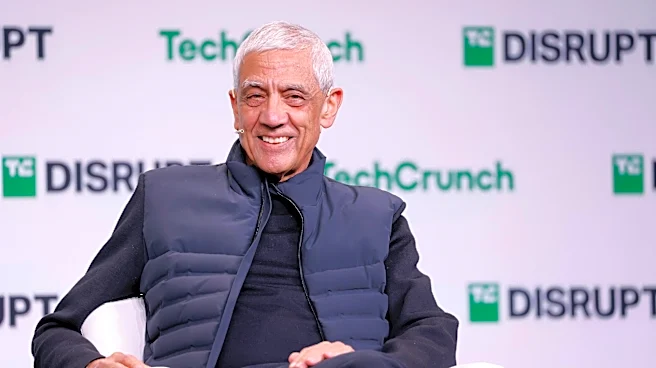
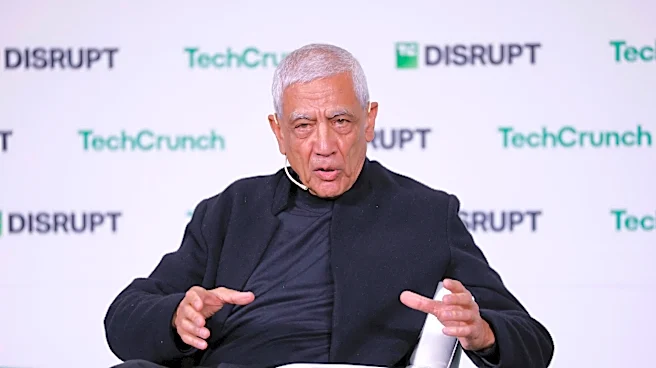
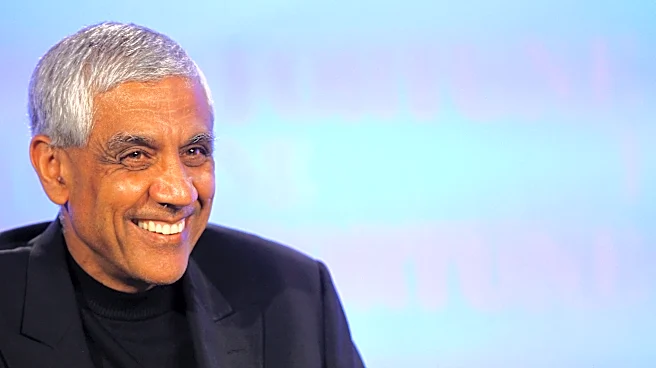
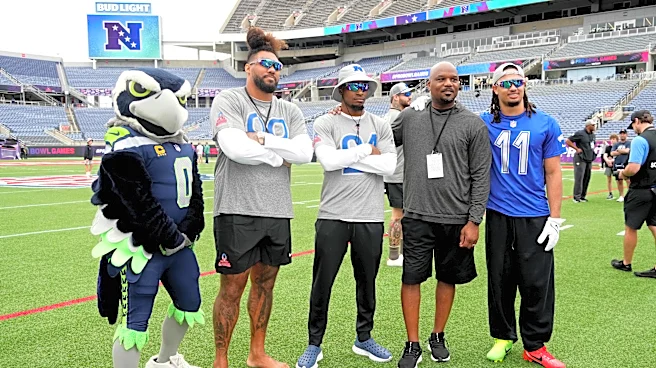
NFL owners have unanimously approved the sale of the Seattle Seahawks from the Estate of Paul G. Allen to the Khosla family. The transaction is reported at a record $9.612 billion, making it the largest sale in NFL history, significantly surpassing the previous
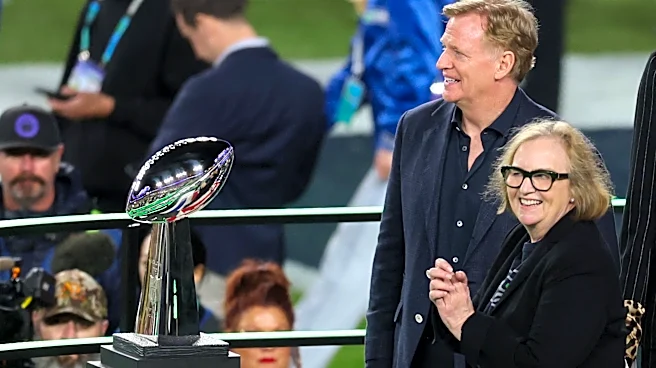
record of $6.05 billion for the Washington Commanders in 2023. The Khosla family, including Vinod Khosla, previously held a minority interest in the San Francisco 49ers, which they must relinquish. This sale marks the end of an ownership era that began in 1997 when Paul Allen purchased the team for approximately $194 million, playing a crucial role in keeping the franchise in Seattle. The Seahawks are currently defending Super Bowl champions, having won Super Bowl LX, and the sale aligns with Paul Allen's directive for his estate to sell his sports holdings and direct proceeds to philanthropy.
Why It's Important?
This record-breaking sale underscores the escalating value of NFL franchises, treating them as scarce, long-duration assets with immense commercial and media value. The reported $9.612 billion valuation, nearly 50 times Allen's original purchase price, highlights the significant growth in the sports business landscape, driven by factors like national media revenue, audience scale, commercial reach, and limited supply of ownership stakes. The transaction sets a new benchmark for franchise valuations across the league, influencing future assessments of other teams for minority investments, estate planning, and financing arrangements. For Seattle, the sale ensures continuity for a championship-winning team, but the new owners face the challenge of maintaining success and managing the financial pressures associated with retaining elite talent and depth in a highly competitive league.
What's Next?
While NFL owners have approved the sale, the transaction is described as 'one big step closer to completion,' indicating that final legal closing procedures are still pending. The immediate focus for the Khosla family will be to learn from the existing organization and maintain the team's championship-winning structure. Vinod Khosla has emphasized a long-term view and continuity, suggesting that dramatic immediate changes are unlikely. Fans will be watching how the new ownership approaches facility investments, technology, player development, commercial strategy, and their public relationship with the fan base. The team is preparing to defend its Super Bowl title, and the new owners will need to navigate roster pressures, contract situations, and potential injuries that are common for successful teams.
Beyond the Headlines
The sale of the Seattle Seahawks transcends a simple change of ownership; it represents a significant moment in the evolution of professional sports as a global asset class. The transition from Paul Allen's estate, driven by philanthropic directives, to the Khosla family, highlights the increasing intersection of sports, wealth management, and social impact. The Khosla family's move from a minority stake in a rival team (San Francisco 49ers) to controlling ownership of the Seahawks also adds an intriguing dynamic to the NFC West rivalry. This transaction reinforces the idea that owning an NFL franchise is not merely a vanity purchase but a strategic investment in a powerful cultural and economic entity, demanding sophisticated business acumen to manage its complex operations and maintain its value in a rapidly changing media and entertainment landscape.