





What's Happening?
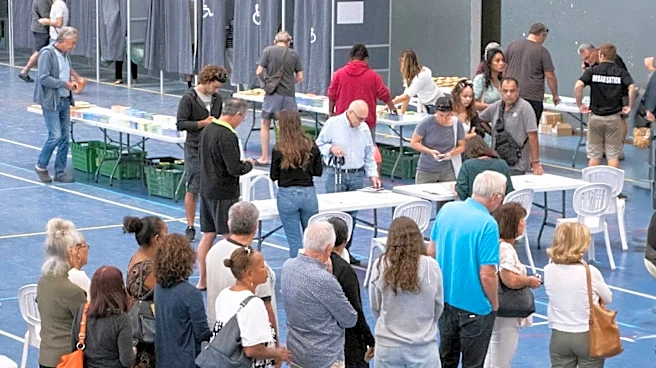
The Formosa Association of Student Cultural Ambassadors (FASCA) Boston Chapter recently held its officer election and leadership transition ceremony on October 4 at the Culture Center of the Taipei Economic and Cultural Office (TECO) in Boston. Outgoing
President Sophia Kao presided over the event, which included platform presentations from candidates and subsequent voting. Linus Chang was elected as the new Chapter President, with Adrian Chang and Josh Chen taking on roles as Co-Presidents. Director Kang of the Culture Center, along with advisory mentors, attended the ceremony to witness the handover. Director Kang commended the FASCA members for their representation of Taiwan at the recent Double Tenth parade and encouraged the newly elected leadership team to continue their efforts in fostering unity, preserving cultural heritage, and expanding international outreach. The outgoing officers shared their reflections on personal growth and camaraderie experienced during their tenure, successfully passing the torch to the new leadership, who are now tasked with planning upcoming cultural activities for the year ahead.
Why It's Important?
This leadership transition within the FASCA Boston Chapter is significant for several reasons. It ensures the continuity of efforts to promote Taiwanese culture and heritage within the U.S., particularly among younger generations. By fostering unity and cultural understanding, organizations like FASCA play a crucial role in strengthening ties between Taiwan and the U.S. through grassroots diplomacy and cultural exchange. The emphasis on international outreach helps to raise awareness and appreciation for Taiwanese culture on a broader scale, contributing to Taiwan's soft power and global presence. For the U.S., these cultural exchanges enrich its diverse social fabric and promote cross-cultural understanding, which can have long-term benefits for diplomatic relations and mutual respect. The development of young leaders within such organizations also provides valuable experience in community organizing, cultural preservation, and international relations, preparing them for future roles in civic engagement and advocacy.
What's Next?
The newly elected leadership team of the FASCA Boston Chapter will now focus on planning and executing cultural activities for the upcoming year. These activities are expected to continue promoting Taiwanese heritage, fostering unity among members, and engaging in international outreach initiatives. The chapter will likely organize events that celebrate traditional Taiwanese festivals, share cultural practices, and educate the broader community about Taiwan. The ongoing support from the Culture Center of TECO in Boston will be crucial for these endeavors, providing guidance and resources. The success of these upcoming activities will be important for maintaining the chapter's momentum and its role in cultural diplomacy. The new leaders will also be tasked with recruiting new members and ensuring the long-term sustainability of the organization, continuing the legacy of their predecessors in representing Taiwan's cultural identity abroad.
Beyond the Headlines
Beyond the immediate organizational changes, the activities of groups like FASCA contribute to a broader narrative of cultural identity and diaspora engagement. In an increasingly globalized world, maintaining cultural heritage abroad is vital for preserving national identity and fostering connections across borders. For Taiwanese communities in the U.S., these organizations serve as important hubs for cultural transmission, ensuring that traditions and values are passed down to future generations. This also plays into the larger geopolitical context, where cultural diplomacy can be a powerful tool for building international goodwill and support. By engaging with local communities and promoting cultural understanding, FASCA helps to build bridges that can transcend political differences. The emphasis on youth leadership also highlights the importance of empowering younger generations to take an active role in cultural preservation and international relations, ensuring the continued vibrancy of cultural exchange initiatives.