



What's Happening?
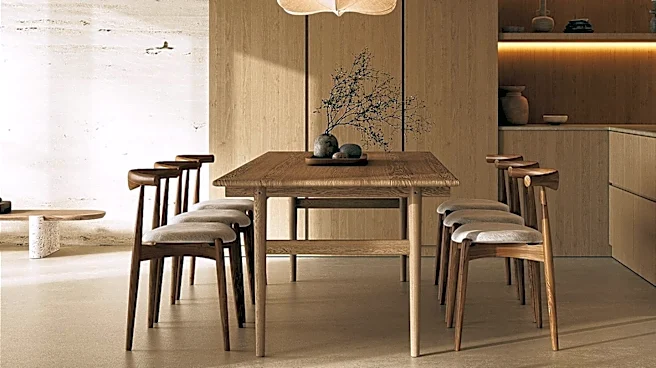
Mahjong rooms are becoming a notable trend in U.S. interior design, evolving from general gaming rooms into dedicated spaces within homes. According to designer Jean Liu, requests for mahjong tables are now among the first programming considerations for furniture
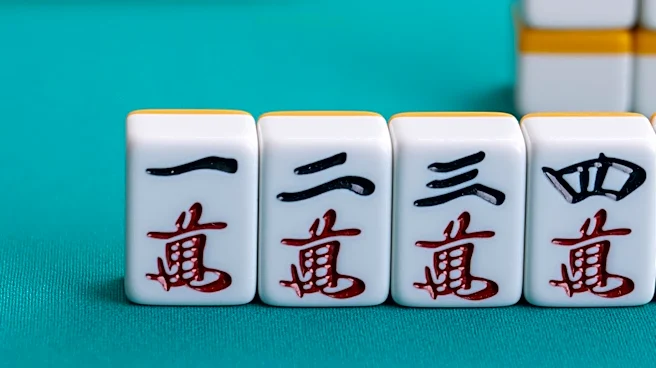
layouts in living or great rooms, a significant shift from two years ago when such requests were non-existent. This surge in popularity is driven by a desire for increased human connection and the infusion of personal style into home environments. Mahjong, a Chinese tile-based strategy game originating in the mid-1800s, gained international presence, particularly in the U.S., in the 1920s. The game, which involves matching tiles and typically played by four players, is celebrated for its tactile quality and its ability to foster community and social interaction. Designers like Christine Lin of Form + Field highlight its appeal as both a casual social game and one requiring focused attention.
Why It's Important?
The rise of dedicated mahjong rooms signifies a broader shift in U.S. home design towards creating 'third places' within residences, emphasizing social interaction and sensory engagement over purely digital entertainment. This trend reflects a growing consumer desire for experiences that offer tactile interaction and community building, contrasting with the increasing prevalence of digital activities. For the interior design industry, this means a new niche market for specialized furniture and room configurations, potentially boosting demand for custom game tables and related decor. Homeowners are increasingly prioritizing spaces that facilitate gatherings and offer unique forms of entertainment, moving beyond traditional dinner parties to 'game of mahj' hosting. This trend also underscores an appreciation for cultural games and their integration into modern American lifestyles, highlighting the game's historical roots and its role as a social pastime.
What's Next?
As the trend for mahjong rooms continues to grow, designers anticipate further integration of game-centric spaces into home layouts. The focus will likely be on creating functional yet aesthetically pleasing environments that accommodate game play, often including comfortable seating and proximity to kitchen areas for food and beverage service. Designers suggest starting with the type of game and number of players to determine specific needs, such as table size and chair comfort. There's also an emphasis on making games a permanent feature within a space, rather than something brought out occasionally. This could lead to more innovative designs for game tables and multi-functional rooms. For those hesitant to commit to a specific game room, designers recommend starting with timeless card games as a versatile option, indicating a broader interest in analog entertainment within the home.
Beyond the Headlines
The emergence of mahjong rooms points to a deeper cultural shift towards valuing tangible, interactive experiences in an increasingly digital world. The tactile nature of mahjong, with the clicking sounds of tiles, offers a sensory richness that many find missing in digital interactions. This trend could signal a broader movement in home design and lifestyle choices, where consumers seek to create environments that actively encourage face-to-face connection and shared experiences. It also highlights the enduring appeal of traditional games and their capacity to transcend cultural boundaries, becoming a cherished part of diverse communities. The emphasis on integrating personal history and cultural elements into home design suggests a desire for spaces that tell a story and foster a sense of belonging, moving beyond purely functional or trend-driven aesthetics.