







What's Happening?
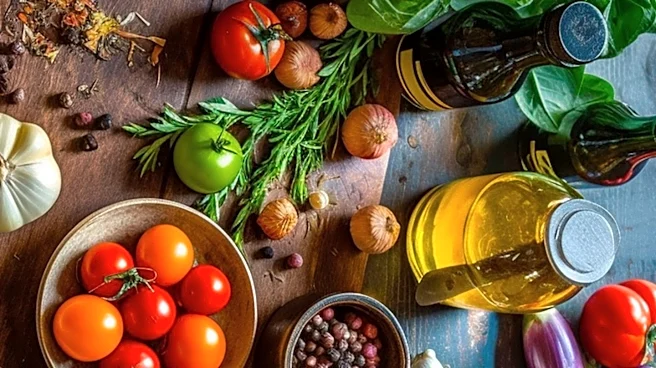
Consuming olive oil daily can lead to several health benefits, according to nutrition experts Katie Conrad-McCoy, RDN, and Roxana Ehsani, MS, RD, CSSD, LDN. Olive oil is a staple in anti-inflammatory diets due to its monounsaturated fats, primarily oleic
acid, and phenolic compounds like oleuropein and oleocanthal. These components actively reduce inflammation by interrupting signaling pathways and blocking enzymes that create inflammatory molecules. Beyond inflammation, daily olive oil intake can mitigate oxidative stress, a condition where free radicals outnumber antioxidants, potentially damaging DNA, fatty tissue, and proteins. This oxidative damage is linked to various health issues, including heart disease, cancer, and neurodegenerative diseases. Furthermore, olive oil contributes to improved gut health by promoting a healthier microbiome and tempering gut inflammation, and supports brain health as the brain thrives on healthy fats and its phenolic compounds protect against oxidative damage to nerve cells. Heart health also benefits from olive oil's ability to increase HDL ('good') cholesterol and reduce risk factors like high blood pressure.
Why It's Important?
The integration of olive oil into daily dietary patterns holds significant implications for public health in the U.S., where chronic inflammatory conditions and cardiovascular diseases are prevalent. By offering a natural and accessible way to reduce inflammation and oxidative stress, olive oil can play a role in preventing and managing a range of chronic illnesses. The emphasis on its benefits for gut and brain health also addresses growing concerns about digestive disorders and neurodegenerative diseases. For consumers, this information reinforces the value of incorporating healthy fats into their diet, moving away from the misconception that all fats are detrimental. For the food industry, it highlights the continued demand for natural, health-promoting ingredients, potentially influencing product development and marketing strategies. Healthcare professionals can leverage this knowledge to provide evidence-based dietary recommendations, encouraging patients to adopt healthier eating patterns that include olive oil as a beneficial component, rather than a 'magic elixir,' emphasizing a holistic approach to nutrition.
What's Next?
As awareness of olive oil's health benefits grows, consumers are likely to continue increasing its incorporation into their daily meals. This trend could lead to a greater demand for high-quality olive oils in the market, potentially influencing agricultural practices and import/export dynamics. Nutrition and health organizations may further emphasize the role of healthy fats, including olive oil, in their dietary guidelines and public health campaigns. Research into the specific mechanisms and long-term effects of olive oil consumption is expected to continue, potentially uncovering additional benefits or refining current recommendations. Food manufacturers might explore new product formulations that feature olive oil as a key ingredient, catering to health-conscious consumers. Educational initiatives focusing on how to best integrate olive oil into a balanced diet, such as using it in cooking or as a dressing, will also be crucial to ensure consumers maximize its benefits effectively.
Beyond the Headlines
The discussion around olive oil extends beyond its immediate health benefits to broader cultural and economic implications. The increasing popularity of olive oil in the U.S. reflects a shift towards dietary patterns traditionally associated with Mediterranean cultures, which are often lauded for their health outcomes and longevity. This cultural exchange in dietary habits can influence not only individual health but also the broader food landscape, encouraging diversity in food choices and cooking methods. Economically, the rising demand for olive oil could impact global agricultural markets, particularly for olive-producing regions, and may spur domestic production or innovation in related food sectors. Furthermore, the emphasis on 'healthy fats' challenges long-held, often misguided, dietary advice that demonized all fats, promoting a more nuanced understanding of nutrition. This evolving perspective underscores the importance of continuous scientific inquiry and public education in shaping healthier societal norms around food.