



What's Happening?
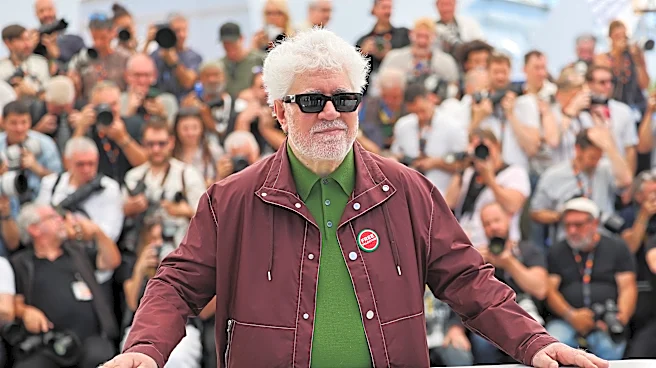
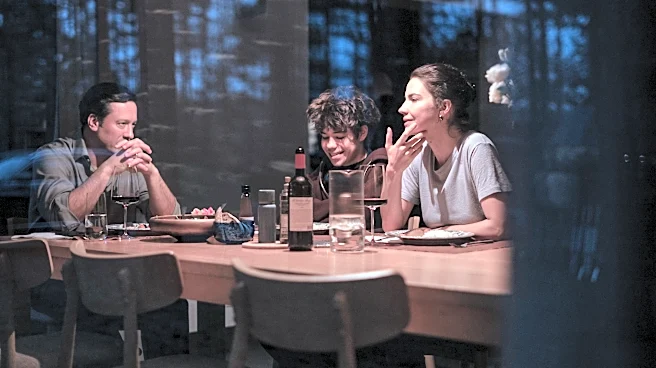
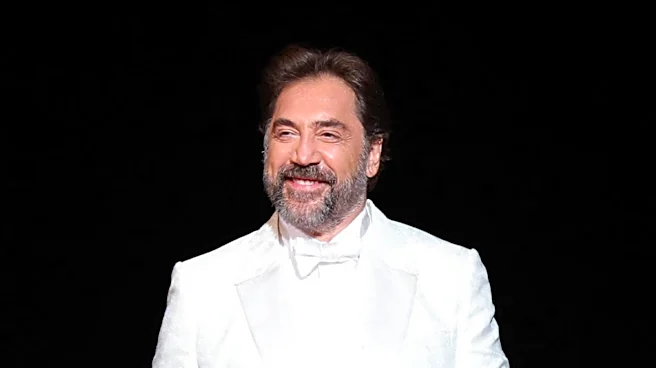
Javier Bardem has publicly defended his right to express political opinions, despite concerns about potential professional repercussions within the film industry. During the Cannes presentation of Rodrigo Sorogoyen's new film 'El ser querido,' Bardem addressed
fears of losing job opportunities, alleged blacklists, and the cost of speaking out on conflicts like the one in Gaza. He stated that he continues to receive offers from various markets and believes that those who attempt to professionally penalize artists for their views might ultimately face public rejection. Bardem emphasized that acting according to his principles is more important than avoiding potential career risks. He also noted that the current landscape does not suggest Hollywood has closed its doors to him, as he continues to receive numerous work proposals from the U.S., Europe, South America, and Spain. This ongoing professional activity leads him to believe that the narrative surrounding artists who express uncomfortable political positions might be changing. Bardem's comments follow recent public activism, including speaking out against war and supporting Palestine at the Oscars.
Why It's Important?
Bardem's stance highlights a significant tension within the entertainment industry regarding artistic freedom and political expression. His willingness to vocalize his views, even at the risk of professional consequences, challenges the perceived pressure on public figures to remain neutral on contentious issues. This situation is particularly relevant in the U.S. context, where discussions around 'cancel culture' and the impact of political alignment on careers are ongoing. If prominent figures like Bardem can maintain their careers despite expressing strong political opinions, it could empower other artists to do the same, potentially fostering a more diverse range of voices and perspectives in mainstream media. Conversely, if industry gatekeepers were to act on alleged blacklists, it could lead to a chilling effect, where artists self-censor to protect their livelihoods. Bardem's assertion that those who create blacklists will be exposed suggests a potential shift in power dynamics, where public opinion and artist solidarity could counteract attempts to silence dissenting voices. This ongoing debate affects not only individual careers but also the broader cultural landscape and the role of art in social and political discourse.
What's Next?
Bardem plans to continue using his public platform to express his opinions, even if it entails professional risks. He believes that those who attempt to create blacklists against artists for their political views will ultimately be exposed and face public backlash. The reception of his new film 'El ser querido' and his continued professional engagements will serve as indicators of the industry's actual response to his outspokenness. The ongoing public discourse surrounding artists' political expressions, particularly in the U.S. and international film industries, will likely continue to evolve. The experiences of other artists, such as Susan Sarandon, who have publicly discussed professional consequences for their political views, will also remain relevant in this conversation. The long-term impact on Bardem's career and the broader industry's approach to political activism by its stars will be closely watched.
Beyond the Headlines
This situation delves into the ethical considerations of artistic freedom versus professional repercussions in a highly visible industry. It raises questions about the responsibility of public figures to use their platforms for social and political commentary, and the potential for such actions to influence public opinion and societal norms. The concept of 'blacklists' touches upon historical precedents of censorship and professional exclusion, highlighting the ongoing struggle for free expression. Furthermore, Bardem's belief that those who attempt to silence artists will be exposed suggests a growing awareness of transparency and accountability in the digital age. This dynamic could lead to a re-evaluation of power structures within Hollywood and other creative industries, potentially fostering a more inclusive environment for diverse viewpoints. The broader cultural implication is how society values and responds to artists who transcend their entertainment roles to engage in civic discourse, and whether this engagement ultimately enriches or divides the public sphere.