


What's Happening?
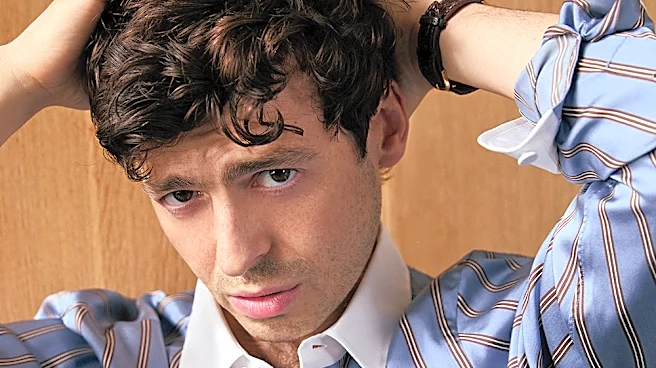
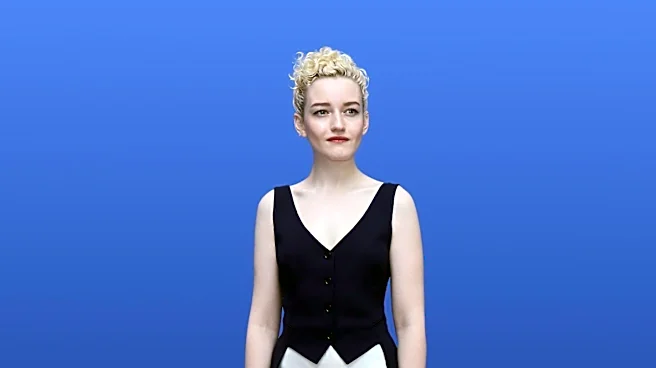
Netflix's drama series 'The Altruists,' which dramatizes the collapse of cryptocurrency exchange FTX, is drawing criticism for its creative liberties and portrayal of key figures. The series, starring Anthony Boyle as Sam Bankman-Fried (SBF) and Julia
Garner as Caroline Ellison, focuses on personal rivalries and romantic tensions rather than strictly adhering to the financial fraud aspects of the FTX scandal. Critics from the crypto community have highlighted the show's emphasis on the relationship between Bankman-Fried and Ellison, and its alleged disproportionate blame on Ellison. A particularly controversial scene in episode four reportedly depicts Binance founder Changpeng 'CZ' Zhao suggesting that Bankman-Fried allow Alameda Research access to FTX customer trading data for front-running, a claim for which there is no publicly documented evidence. This portrayal has led to scrutiny regarding the framing of CZ as an antagonist, despite his legal case being distinct from Bankman-Fried's, involving a failure to maintain an effective anti-money laundering program rather than theft of customer deposits.
Why It's Important?
The creative choices made in 'The Altruists' are significant because they risk misrepresenting a major financial scandal that resulted in billions of dollars in missing customer funds and a 25-year prison sentence for Sam Bankman-Fried. By focusing on personal drama and potentially fabricating interactions, the series could distort public understanding of the complex financial crimes and the roles of various individuals involved. This could impact how the public perceives accountability in the cryptocurrency industry and the severity of financial misconduct. The portrayal of CZ, a prominent figure in the crypto space, as an instigator of unethical practices without documented evidence, could also affect his public image and the reputation of Binance, despite his separate legal issues. For the millions of FTX customers who lost their savings, such dramatization might trivialize the real-world impact of the collapse.
What's Next?
The ongoing discussion surrounding 'The Altruists' may lead to further public debate about the responsibility of media in accurately depicting real-world events, especially those with significant financial and legal consequences. While the series does not claim to be a docuseries, its dramatization of a recent and impactful event could prompt calls for greater transparency or more fact-based storytelling in similar productions. The crypto community and affected individuals may continue to voice their concerns, potentially influencing future adaptations of financial scandals. The series' reception could also set a precedent for how streaming platforms approach sensitive topics involving ongoing legal and ethical considerations, particularly when key figures are still dealing with the aftermath of their actions.
Beyond the Headlines
The controversy surrounding 'The Altruists' highlights a broader tension between artistic license and factual accuracy in media portrayals of real-world events. While dramatization can make complex stories more accessible, it also carries the risk of altering public perception and potentially rewriting history, especially when it involves legal proceedings and financial fraud. The show's focus on personal narratives over the intricate details of financial misconduct raises questions about the ethical obligations of storytellers when dealing with events that have caused widespread harm. This situation underscores the challenge of balancing entertainment value with the need for responsible reporting, particularly in an era where information consumption often blurs the lines between fact and fiction. The debate also touches upon the power of media to shape narratives around public figures and institutions, potentially influencing public opinion and historical memory.