





What's Happening?
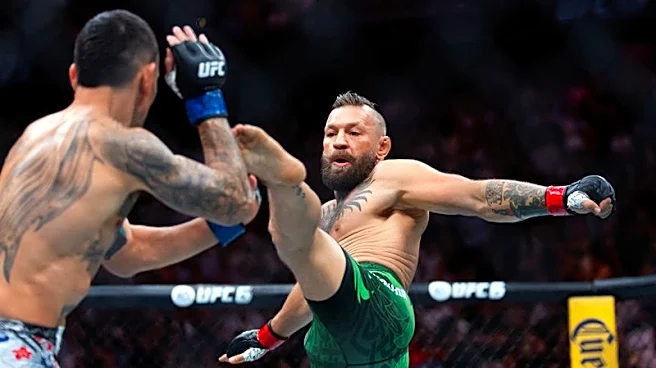
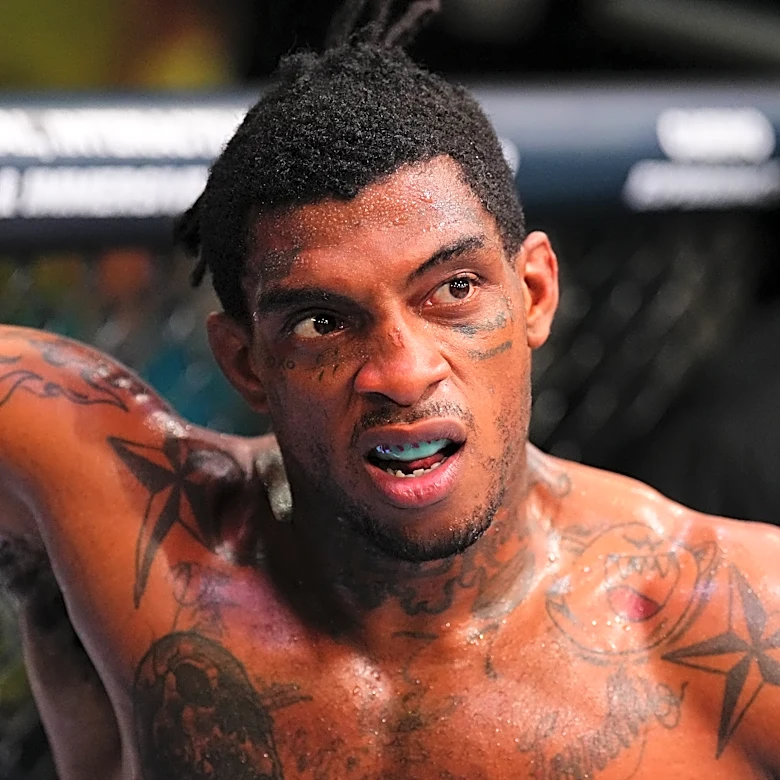
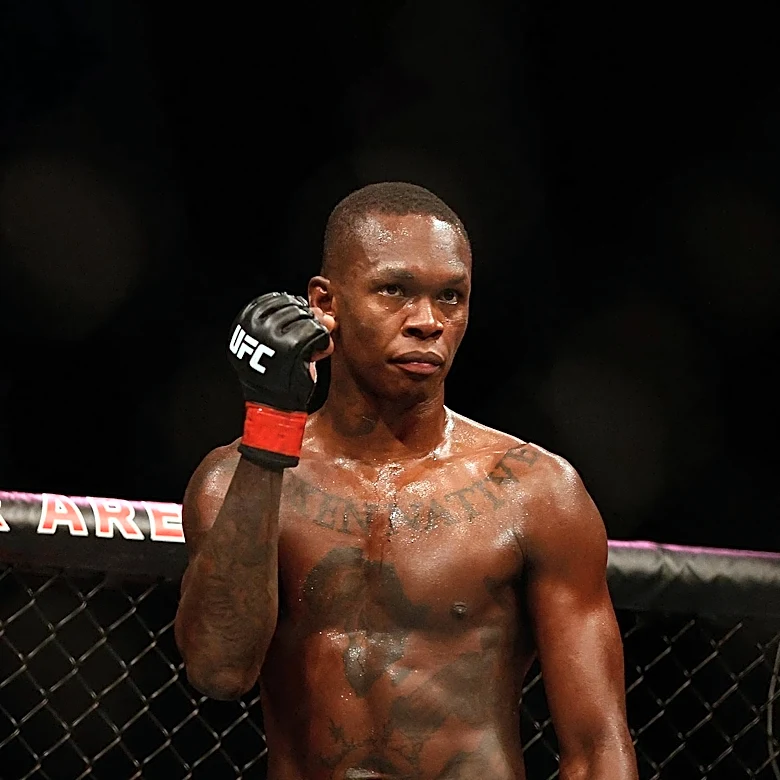
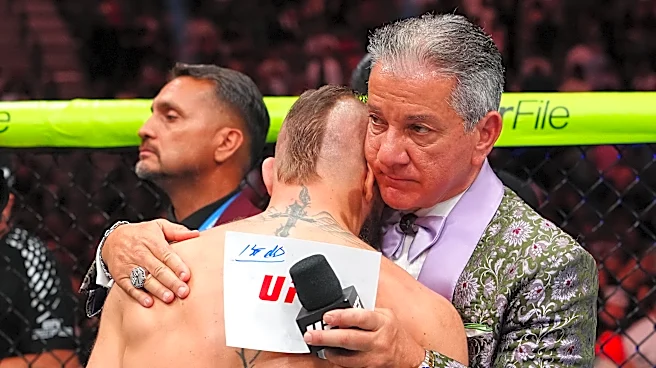
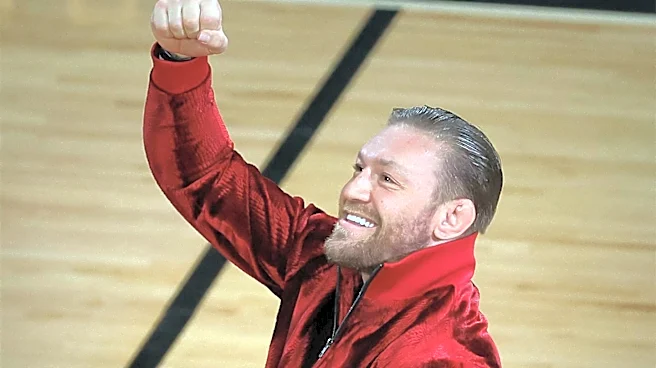
Dustin Poirier, a long-time rival of Conor McGregor, described McGregor's knee injury at UFC 329 as 'karma' for his past behavior. The injury occurred during a flying head kick attempt against Max Holloway, leading to the fight's early conclusion. Poirier expressed
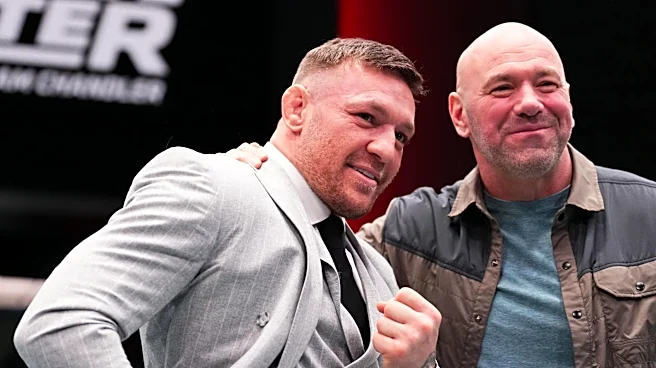
skepticism about McGregor's decision to start the fight with such a risky move, likening it to a 'Hail Mary.' UFC CEO Dana White confirmed that the injury was not pre-existing, and McGregor had practiced the move extensively. The incident has sparked debate about McGregor's future in the sport, with some, like Chris Weidman, doubting his ability to return to his former glory.
Why It's Important?
The injury and Poirier's comments highlight the intense rivalries and personal dynamics that characterize the UFC. McGregor's status as a major draw for the sport means that his health and career decisions have significant financial implications for the UFC and its stakeholders. The incident also raises questions about the risks athletes take in high-stakes competitions and the potential long-term impacts on their careers. Poirier's remarks reflect the ongoing tension between fighters and the personal vendettas that can influence public perception and fan engagement.
What's Next?
McGregor's future in the UFC remains uncertain as he recovers from his injury. He has one fight left on his current contract, and his performance in that bout could determine his next career steps. The UFC will need to carefully manage McGregor's return to maximize viewership and revenue while considering the competitive integrity of the sport. Fans and analysts will be watching to see if McGregor can overcome his injury and whether he will continue to compete at the highest level or explore other opportunities in combat sports.