







What's Happening?
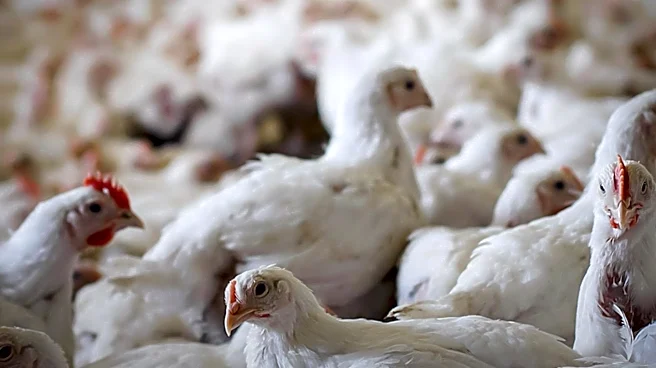
A recent YouGov survey, commissioned by cultivated meat company Meatly, indicates that over half of UK cat and dog owners (52%) are concerned about the meat in their pets' food originating from factory-farmed animals. The research highlights a significant
consumer interest in the ethical sourcing of meat, animal welfare standards, and overall transparency within the pet food supply chain. A substantial 59% of owners expressed concern about meat coming from countries with lower animal welfare standards than the UK, and 61% consider the origin of meat ingredients to be important. Furthermore, 59% of respondents were concerned about the presence of low-quality mechanically recovered meat or animal parts they would not consume themselves in pet food. Meatly emphasized a disparity in labeling requirements between human food and pet food, noting that fresh meat for human consumption typically identifies the country of origin for rearing and slaughter, a requirement not consistently applied to processed pet food. Broad ingredient descriptions like 'meat and animal derivatives' further obscure sourcing information for consumers.
Why It's Important?
These findings underscore a growing demand for greater transparency and ethical considerations in the pet food industry, mirroring trends seen in human food markets. The concerns raised by pet owners could drive significant shifts in how pet food manufacturers source ingredients and label their products. Companies that can demonstrate clear, ethical, and traceable supply chains for their meat ingredients may gain a competitive advantage. Conversely, those that fail to address these consumer concerns risk losing market share. The survey also highlights a potential market for cultivated meat in the pet food sector, with 40% of owners believing it could improve animal welfare and reduce reliance on factory farming. This indicates a willingness among consumers to consider alternative protein sources that align with their values, potentially accelerating the adoption of lab-grown meat in pet food. The call for clearer label requirements from pet food companies and associations suggests a broader industry movement towards more transparent and traceable supply chains.
What's Next?
The pet food industry is likely to face increased pressure from consumers and advocacy groups to adopt more transparent labeling practices and improve animal welfare standards in their supply chains. This could lead to new industry standards or regulatory discussions around ingredient sourcing and country-of-origin labeling for pet food. Manufacturers may begin to invest more in traceable supply chain technologies and certifications to meet consumer demand for ethical and transparent products. The interest in cultivated meat for pets suggests that companies developing these products, like Meatly, may see increased investment and market penetration. Pet food brands might start exploring partnerships with cultivated meat producers to offer more ethically sourced options. Additionally, the broader meat industry may be prompted to create more transparent and traceable supply chains in response to demands from the pet food sector, potentially influencing practices across the entire meat production landscape.
Beyond the Headlines
The growing consumer scrutiny over pet food ingredients reflects a broader societal trend towards conscious consumption and ethical sourcing across all product categories. This movement extends beyond just animal welfare to encompass environmental impact, antibiotic use, and overall food safety. The disparity in labeling regulations between human and pet food raises questions about consumer protection and the perceived value of pets within society. As pets are increasingly viewed as family members, owners expect the same, if not higher, standards for their food as they do for their own. This shift could lead to a re-evaluation of regulatory frameworks for pet food, potentially bringing them more in line with human food standards. The emergence of cultivated meat as a viable option for pet food also signals a potential long-term disruption to traditional animal agriculture, offering a pathway to reduce the environmental footprint and ethical concerns associated with conventional meat production.