



What's Happening?
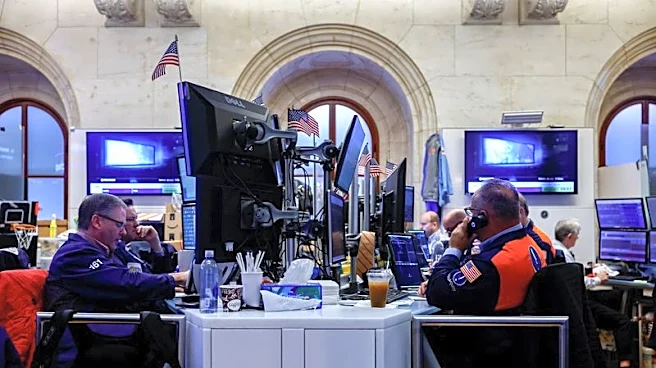
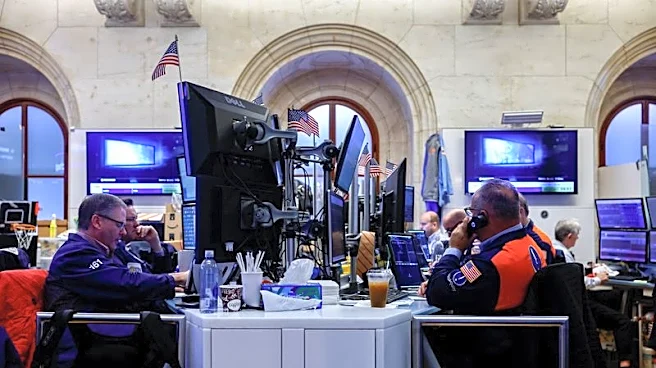
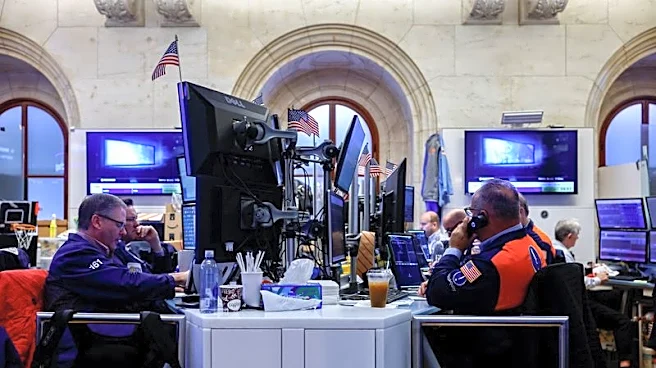
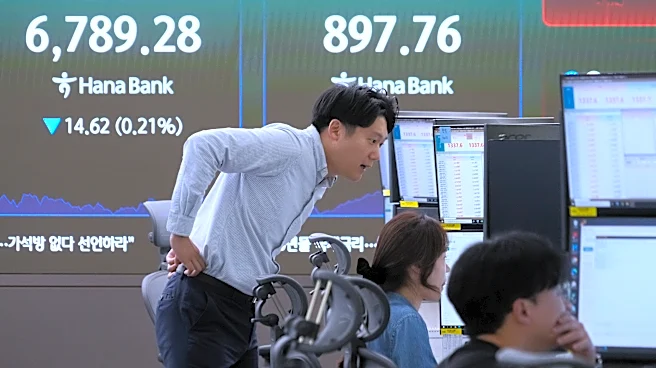
Wall Street strategists are forecasting a positive trajectory for stocks towards the end of the year, citing strong AI-driven earnings and favorable historical patterns during midterm election years. Truist chief investment officer Keith Lerner stated
that the 'path of least resistance into year-end is higher.' The S&P 500 is expected to see a 30% year-over-year jump in earnings, with major banks poised to commence what could be a robust quarterly reporting season. Despite concerns about the pace of AI spending impacting tech valuations, the Technology sector's price-to-earnings ratio has adjusted to around 21, down from approximately 35 last year, which Lerner views as a market reset suggesting potential upside. Historically, the fourth quarter in midterm election years has been positive for the S&P 500 about 84% of the time, with an average gain of around 7%. The exception was 2018, when the Federal Reserve was raising rates, a factor strategists are now considering in their forecasts. Yardeni Research recently lowered its year-end S&P 500 target to 7,900 due to rising bond yields, implying just over 1% upside. The Federal Reserve is widely expected to maintain current interest rates at its October meeting.
Why It's Important?
This optimistic outlook from Wall Street strategists signals potential gains for investors in the U.S. stock market, particularly those invested in technology and AI-related sectors. The anticipated 30% jump in S&P 500 earnings, fueled by AI, could bolster corporate profitability and investor confidence, potentially driving market indices higher. The historical tendency for stocks to rally in the fourth quarter of midterm election years provides a statistical basis for this optimism, suggesting a predictable pattern that investors might leverage. However, the cautionary note regarding 2018, when Federal Reserve rate hikes impacted the market, highlights the ongoing influence of monetary policy. If the Fed maintains a hawkish stance or if bond yields continue to rise significantly, it could temper the expected rally. The narrowing breadth of the rally and recent market jitters indicate that while overall sentiment is positive, underlying volatility remains, requiring investors to be discerning in their choices. The performance of major banks in the upcoming earnings season will be a critical indicator of broader economic health and corporate performance.
What's Next?
Investors will closely monitor the upcoming quarterly earnings reports from major banks, which are expected to kick off a potentially strong reporting season. These results will provide crucial insights into corporate profitability and the broader economic landscape. The Federal Reserve's October meeting will also be a key event, with market participants anticipating a decision to hold interest rates steady. Any deviation from this expectation could significantly impact market sentiment and the projected year-end rally. Furthermore, the performance of the AI sector will remain under scrutiny, as continued strong growth and spending in this area are central to the optimistic forecasts. Strategists like Dan Ives believe the 'AI revolution' is still in its early stages, suggesting sustained growth opportunities. UBS analysts recommend a diversified approach to tech investments, favoring high-quality semiconductor and hardware companies benefiting from AI spending, megacap platforms, and defensive tech firms. This suggests that while the overall market may rise, specific sectors and companies within the tech industry will likely outperform others.
Beyond the Headlines
The reliance on AI-driven earnings for market growth points to a significant structural shift in the U.S. economy, where technological innovation is becoming an increasingly dominant factor in corporate performance and investor returns. This trend could lead to a widening gap between companies that successfully integrate AI and those that do not, potentially reshaping industry leadership. The market's sensitivity to Federal Reserve policy underscores the ongoing tension between economic growth drivers and inflation control. Should inflation persist, forcing the Fed to reconsider its rate-holding stance, the anticipated rally could be jeopardized, highlighting the delicate balance policymakers must maintain. The historical pattern of midterm election year rallies also suggests a degree of political influence on market behavior, where the perceived stability or predictability of the political landscape can impact investor confidence. This interplay between technology, monetary policy, and political cycles creates a complex environment for investors, where understanding these interconnected forces is crucial for navigating market dynamics.