





What's Happening?
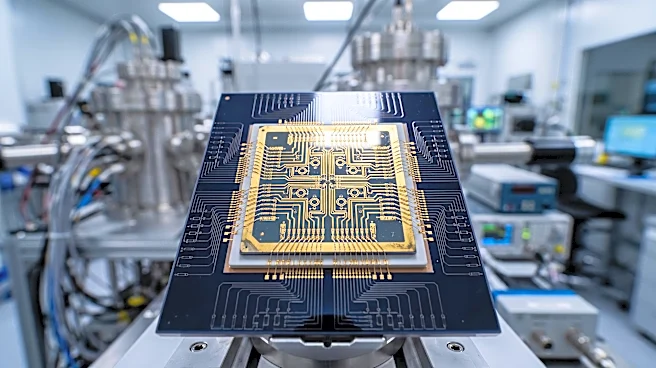
IonQ, a company specializing in trapped ion quantum computing, is making significant strides in the quantum technology sector. The company plans to release its Superion 256-qubit quantum computer next year, which has already generated substantial interest,
evidenced by a rising backlog of $1.2 billion. While this 256-qubit machine is not yet ready for commercial-level workloads, it represents a crucial step forward, with several clients placing orders to begin developing quantum computing programs for future implementation. Furthermore, IonQ has long-term plans to build a 10,000-qubit computer, which would be the first commercial-level quantum computer available for purchase. This development is anticipated to materialize in a few years, reflecting the rapid progression of quantum technology.
Why It's Important?
IonQ's advancements are critical for the U.S. technology landscape, particularly in the burgeoning field of quantum computing. As a pure-play quantum computing company, IonQ's ability to secure funding and partnerships hinges on demonstrating continuous progress and technological breakthroughs. The successful launch of its 256-qubit system could position IonQ as a leader in the industry, attracting further investment and talent. The eventual development of a 10,000-qubit commercial-level computer would be a transformative event, potentially enabling solutions for complex problems currently beyond the reach of classical computers. This could impact various sectors, including national security, finance, and scientific research, by offering unprecedented computational power and capabilities. The competition with larger entities like Alphabet highlights the strategic importance of these developments for maintaining U.S. leadership in advanced computing.
What's Next?
The immediate next step for IonQ is the release of its Superion 256-qubit quantum computer next year. The performance and adoption of this system by clients will be closely watched as an indicator of IonQ's progress and the broader commercial viability of quantum computing. Following this, the company will continue its research and development efforts towards the ambitious goal of a 10,000-qubit commercial-level computer. This long-term project will require sustained innovation, significant capital investment, and strategic partnerships. The success of these initiatives will likely influence the competitive landscape of quantum computing, potentially accelerating the timeline for widespread quantum application development and deployment across various industries.
Beyond the Headlines
The rapid progress in quantum computing, exemplified by IonQ's plans, signals a fundamental shift in computational paradigms. Beyond the immediate commercial applications, the development of increasingly powerful quantum computers raises profound implications for cryptography, materials science, and artificial intelligence. The ability to simulate complex molecular structures or break currently secure encryption methods could reshape national security strategies and industrial research. Ethical considerations surrounding data privacy and the potential for misuse of such powerful technology will become increasingly prominent. Furthermore, the 'David versus Goliath' dynamic between specialized quantum firms like IonQ and tech giants like Alphabet underscores a broader trend in technological innovation, where focused startups can drive significant breakthroughs, challenging established players and fostering a dynamic ecosystem of research and development.