







What's Happening?
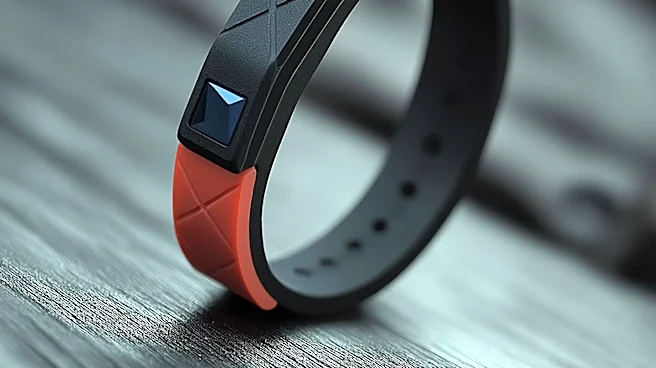
WHOOP, a wearable technology company, is providing advanced insights into sleep patterns, recovery, and overall physiological stress to help individuals make informed decisions about their training and daily life. The technology continuously monitors
various biometric data points, including heart-rate variability, resting heart rate, sleep quality, and respiratory data, to generate a personalized Recovery score each morning. This score helps users understand their body's readiness for physical exertion. Beyond just tracking workouts, WHOOP's Strain metric captures the broader physiological load from exercise, daily stress, travel, and poor sleep. The system learns individual baselines and provides context for future actions, moving beyond simply reporting past activities to offering actionable guidance. WHOOP Peak, an extended feature, integrates fitness, recovery, everyday health, and longevity insights, including a 'WHOOP Age' and 'Pace of Ageing' metric based on six months of biometric data, to help users understand how current behaviors influence their aging process. The technology aims to provide a comprehensive view of an individual's health and well-being.
Why It's Important?
The integration of advanced wearable technology like WHOOP into daily life signifies a growing trend towards personalized health and fitness management in the U.S. By providing detailed, individualized data on sleep and recovery, this technology empowers users to optimize their physical performance and overall health. This is particularly important for athletes and fitness enthusiasts who can use these insights to prevent overtraining, reduce injury risk, and maximize their training effectiveness. For the broader population, understanding the impact of daily stressors and sleep quality on physiological well-being can lead to better lifestyle choices and improved long-term health outcomes. The emphasis on 'Healthspan' and 'Pace of Ageing' also highlights a shift towards proactive health management and longevity, potentially influencing healthcare approaches and personal wellness investments across the nation. The ability to make data-driven decisions about when to push harder or rest can lead to more sustainable and effective fitness journeys, reducing burnout and promoting a healthier society.
What's Next?
The continued evolution of wearable technology like WHOOP suggests a future where personalized health data plays an even more central role in individual well-being and potentially in broader health initiatives. As these devices become more sophisticated, they may integrate with other health platforms, offering a more holistic view of an individual's health profile. Future developments could include more predictive analytics, offering warnings about potential health issues before they manifest, or even integrating with healthcare providers for more tailored medical advice. The focus on longevity metrics like 'WHOOP Age' could also lead to increased public awareness and demand for tools that help individuals understand and influence their aging process. As more people adopt these technologies, there could be a societal shift towards a more data-informed approach to health, influencing public health campaigns and corporate wellness programs. The ongoing refinement of these devices will likely lead to even more precise and actionable insights, further empowering users to take control of their health.
Beyond the Headlines
The rise of sophisticated wearable health technology like WHOOP raises deeper questions about data privacy, the ethics of biometric data collection, and the potential for algorithmic influence on personal choices. While these devices offer significant benefits in optimizing health, the continuous collection of highly personal physiological data necessitates robust security measures and transparent data usage policies. There's also a subtle shift in the perception of self-awareness, where technology mediates the conversation an individual has with their own body, potentially altering intuitive self-perception. Furthermore, the concept of a 'WHOOP Age' and 'Pace of Ageing' could introduce new forms of societal pressure or anxiety related to biological age, moving beyond chronological age as the sole measure of aging. This technology could also exacerbate existing health disparities if access remains limited to those who can afford it, creating a divide between the 'data-optimized' and those without such resources. The long-term cultural impact on how individuals perceive and manage their health, and the role of technology in that process, will be a significant area of observation.