








What's Happening?
The term 'superfood' is widely used in marketing to describe whole foods rich in vitamins, minerals, antioxidants, or other beneficial compounds. However, it is important to note that 'superfood' is a marketing term and not a scientific classification.
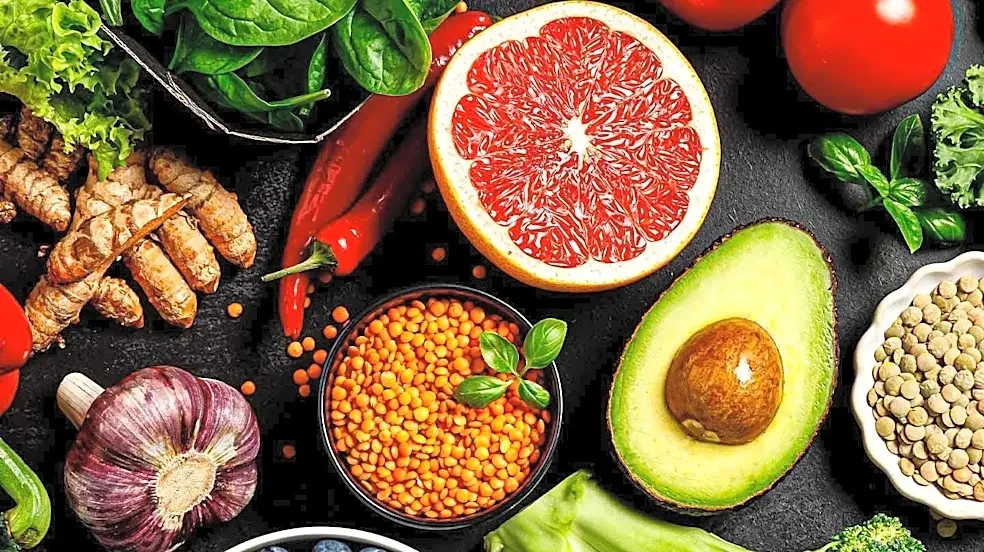
While many foods marketed as superfoods, such as kale, quinoa, and blueberries, are genuinely nutritious, their 'superfood' status does not imply unique health benefits beyond what a balanced diet provides. Examples of foods often cited as superfoods include alfalfa leaf, oat grass, chlorella, beet root, acai, spirulina, pomegranate, barley grass, maca root, turmeric, ginger, black pepper, cinnamon, cardamom, and chlorella. These foods are recognized for their nutrient density, offering a high concentration of beneficial elements per calorie. The emphasis is on consuming a variety of nutrient-dense whole foods rather than relying on a single 'superfood' for overall health.
Why It's Important?
The distinction between 'superfood' as a marketing term versus a scientific one is crucial for consumers. The marketing of certain foods as 'superfoods' can lead to misconceptions, potentially causing individuals to overspend on specific items or neglect the broader importance of a varied diet. While these foods are indeed healthy, their elevated status might overshadow the nutritional value of more common and affordable options like eggs, oats, and potatoes. This can create an impression that optimal health requires expensive or exotic ingredients, which is not necessarily true. Understanding that no single food can provide all necessary nutrients encourages a more holistic approach to eating, emphasizing diverse whole foods for comprehensive nutritional intake and overall well-being.
What's Next?
Consumers are encouraged to focus on a balanced and varied diet rather than chasing individual 'superfoods.' Nutritional guidelines from organizations like the USDA emphasize the importance of consuming a wide range of fruits, vegetables, whole grains, lean proteins, and healthy fats. Future dietary recommendations will likely continue to stress the importance of overall eating patterns over the singular benefits of specific foods. The food industry may continue to use the 'superfood' label due to its marketing effectiveness, but informed consumers will increasingly prioritize nutrient density and dietary diversity. This shift in consumer understanding could lead to a greater appreciation for accessible, everyday healthy foods.
Beyond the Headlines
The 'superfood' phenomenon highlights a broader trend in health and wellness marketing, where scientific concepts are often simplified or exaggerated for commercial appeal. This can lead to a 'halo effect,' where consumers attribute disproportionate health benefits to certain foods, sometimes at the expense of a balanced perspective. The ethical implications of such marketing practices include potentially misleading consumers and creating unnecessary dietary restrictions or anxieties. Long-term, a more critical approach to food marketing and a greater emphasis on nutritional education could empower individuals to make more informed dietary choices based on scientific evidence rather than marketing hype, fostering healthier eating habits across the population.