


What's Happening?
The aftermath of the COVID-19 pandemic has significantly altered development planning in Cincinnati, leading to a reduced demand for traditional office spaces. This shift has made the redevelopment of historic properties into residential and mixed-use
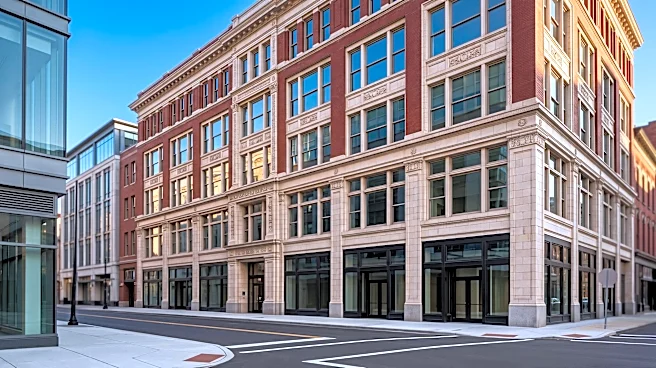
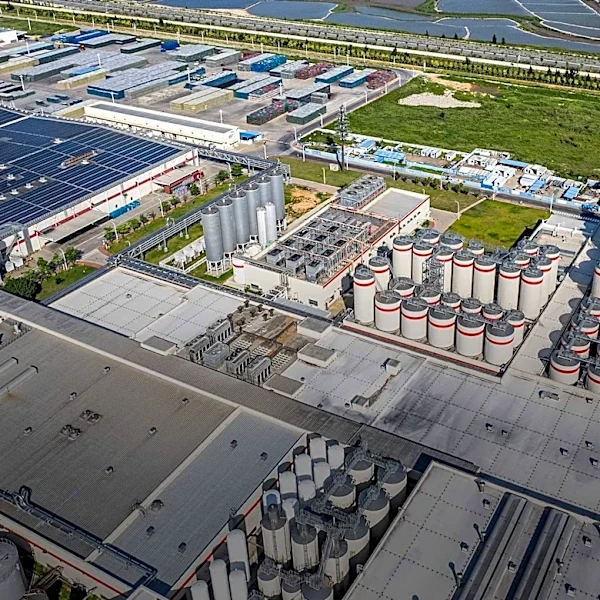
spaces increasingly viable. Developers are leveraging tax credits and public sentiment for historic preservation to transform legacy buildings. For instance, Urban Sites is converting the Atlas Bank building into upscale rentals after initially considering office space, a plan that became unfeasible due to the pandemic's impact on remote work. Similarly, the Port of Greater Cincinnati Development Authority is working to redevelop the Lunkenheimer Valve Company Historic District, with plans likely focusing on mixed-use or multi-family housing. These projects often involve extensive renovations, environmental remediation, and the strategic use of state and federal tax credits, such as the Ohio Historic Preservation Tax Credit (OHPTC) and Low-Income Housing Tax Credits (LIHTC), to offset high construction costs and address structural and environmental challenges inherent in older buildings.
Why It's Important?
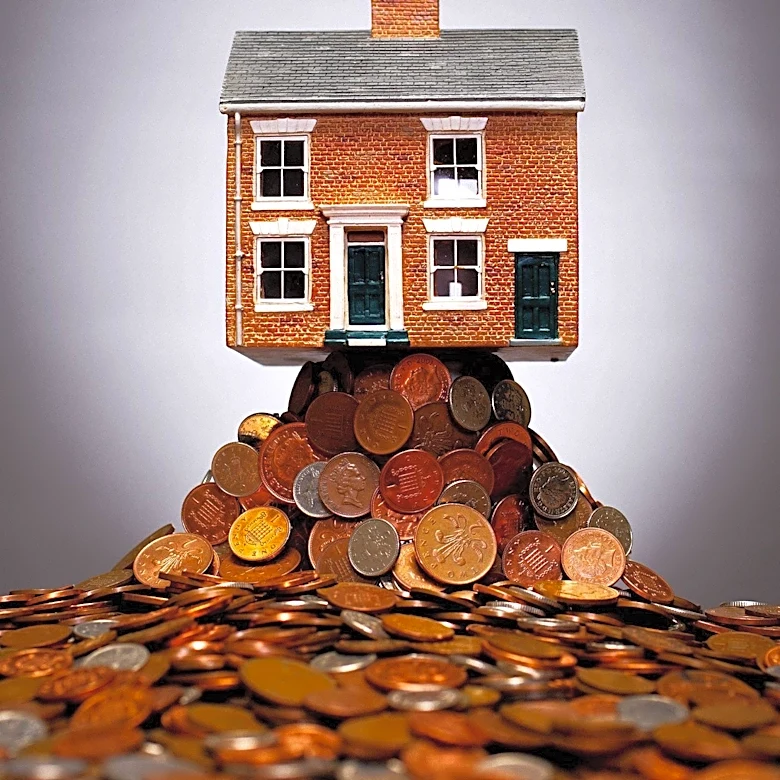
This trend is important for U.S. urban development and economic stakeholders as it signifies a fundamental change in real estate investment and urban planning post-pandemic. The decreased demand for office space, driven by widespread remote and hybrid work models, necessitates innovative approaches to utilize existing urban infrastructure. Repurposing historic buildings not only preserves architectural heritage but also addresses housing needs and revitalizes urban cores. This shift can stimulate local economies by creating construction jobs, attracting new residents to downtown areas, and fostering vibrant mixed-use communities. However, it also presents challenges, including navigating complex historic preservation codes, securing diverse funding streams, and managing the high costs associated with renovating older structures, which often require significant environmental and structural remediation. The success of these projects can serve as a model for other U.S. cities facing similar post-pandemic real estate dilemmas.
What's Next?
Construction on projects like the Atlas Bank building conversion is slated to begin, with completion anticipated in late summer 2027. The Port of Greater Cincinnati Development Authority aims to complete environmental remediation and stabilization of the Lunkenheimer Valve Company Historic District by mid-2027, after which private development partners will be sought for redevelopment. These initiatives will likely continue to rely heavily on state and federal tax credits, such as the OHPTC and LIHTC, to ensure financial viability. Stakeholders, including city councils, historic preservation boards, and community leaders, will play a crucial role in guiding these developments, balancing preservation goals with modern building codes and community needs. The ongoing success of these projects could influence future zoning and land-use policies, potentially encouraging more adaptive reuse of historic properties across the U.S. as cities adapt to evolving economic and social landscapes.
Beyond the Headlines
Beyond the immediate economic and urban planning implications, this trend highlights a deeper cultural and environmental shift. The emphasis on repurposing existing structures, often referred to as the 'greenest building is the one that’s already built,' reflects a growing awareness of sustainability and a desire to reduce the carbon footprint associated with new construction. Ethically, it underscores the value placed on preserving historical identity and architectural heritage, integrating the past into the future of urban living. This approach also fosters a sense of community by revitalizing neglected areas and providing diverse housing options, including affordable units, which can combat urban sprawl and promote more walkable, integrated neighborhoods. The challenges of balancing historical authenticity with modern functionality and safety standards also raise complex legal and design considerations, pushing architects and developers to innovate within stringent frameworks.