


What's Happening?
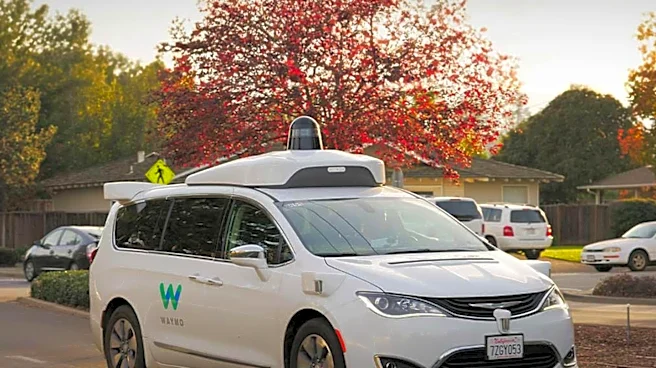
Dmitri Dolgov currently serves as Co-CEO at Waymo, a position he has held since April 2021. Prior to this role, he was the Chief Technology Officer (CTO) at Waymo from December 2016 to April 2021. His professional background includes significant contributions
in software engineering at Google and senior research scientist positions at both the Toyota Research Institute and Stanford & Toyota Research Institute. Dolgov holds a Ph.D. in Computer Science from the University of Michigan and an M.S. in Physics & Math from the Moscow Institute of Physics and Technology. His recent activities include actively sharing updates and posts related to Waymo's ongoing progress and innovations in autonomous driving technology, underscoring his continued involvement in the company's strategic direction and technological development.
Why It's Important?
Dmitri Dolgov's leadership at Waymo is crucial for the advancement of autonomous driving technology in the U.S. and globally. As Co-CEO, his expertise, particularly in computer science and physics, directly influences the development and deployment of self-driving vehicles. Waymo, under his guidance, is a key player in shaping the future of transportation, aiming to enhance safety, efficiency, and accessibility. The success of Waymo's autonomous technology could significantly impact various U.S. industries, including logistics, ride-sharing, and personal mobility, potentially leading to reduced traffic accidents, lower transportation costs, and new economic opportunities. His continued focus on sharing advancements indicates a commitment to transparency and progress in a field that faces both immense potential and regulatory challenges. The broader implications include shifts in urban planning, infrastructure development, and employment within the transportation sector.
What's Next?
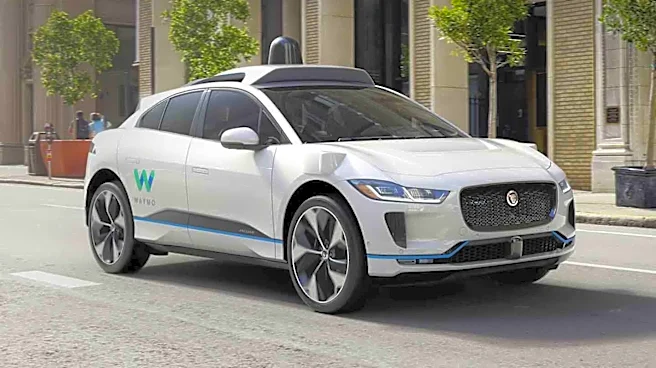
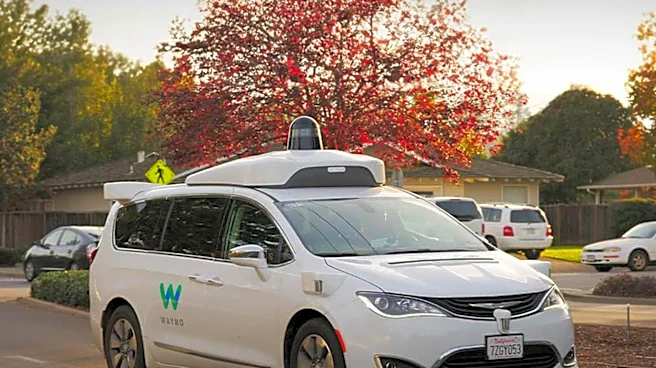
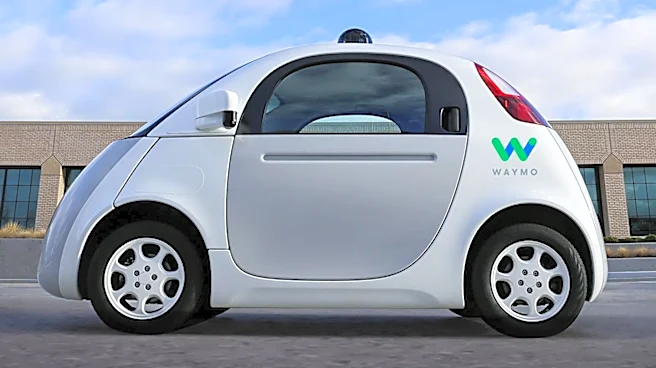
Under Dmitri Dolgov's continued leadership, Waymo is expected to further its efforts in refining and expanding its autonomous driving services. This will likely involve continued testing and deployment of Waymo's self-driving vehicles in more U.S. cities, as well as ongoing technological advancements to improve safety and reliability. Future developments may include deeper integration with existing transportation networks and partnerships with other companies to scale operations. Regulatory bodies will continue to play a significant role, with potential new legislation and guidelines emerging to govern autonomous vehicle operations. Waymo's progress will also influence public perception and acceptance of self-driving technology, which is critical for widespread adoption. The company's focus on sharing advancements suggests a proactive approach to engaging with stakeholders and demonstrating the capabilities of their technology.
Beyond the Headlines
Dmitri Dolgov's role at Waymo extends beyond mere technological development; it touches upon profound ethical and societal questions surrounding artificial intelligence and automation. The deployment of autonomous vehicles raises complex issues such as liability in accidents, the impact on employment for professional drivers, and the ethical programming of decision-making algorithms in critical situations. Waymo's advancements, guided by Dolgov, contribute to a broader societal conversation about the balance between technological progress and human welfare. The long-term implications include potential shifts in urban design, as cities adapt to a future with fewer privately owned vehicles and more shared autonomous fleets. Furthermore, the data collected by autonomous vehicles presents significant privacy considerations, which will require careful navigation as the technology becomes more ubiquitous.