







What's Happening?
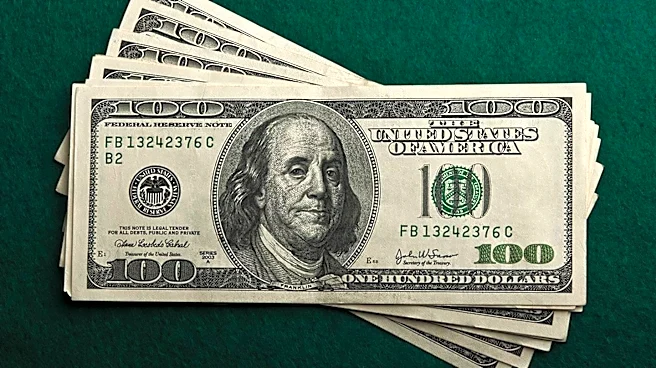
The U.S. dollar is experiencing its largest weekly decline in nearly three months, driven by a weaker-than-expected June jobs report. The report revealed that nonfarm payrolls increased by only 57,000, significantly below the anticipated 110,000 rise.
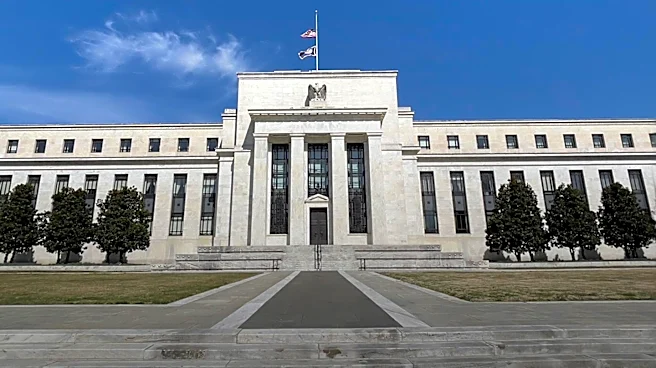
This has led to a reduction in market expectations for a near-term interest rate hike by the Federal Reserve. According to CME FedWatch, the probability of a rate increase at the September meeting has decreased from 64% to 52%. Additionally, U.S. Treasury yields have retreated, with two-year notes experiencing a 4 basis-point drop. The labor force participation rate has also fallen to 61.5%, marking a more than five-year low.
Why It's Important?
The unexpected slowdown in job growth and the subsequent adjustment in interest rate expectations have significant implications for the U.S. economy and global markets. A pause in rate hikes could provide relief to sectors sensitive to borrowing costs, such as housing and consumer finance. It also affects the currency markets, as the dollar's decline offers some respite to other currencies like the yen and the euro. This shift in monetary policy expectations could influence investment strategies and economic forecasts, impacting businesses and consumers alike. The broader economic outlook remains uncertain, with potential implications for inflation and economic growth.
What's Next?
As the Federal Reserve reassesses its monetary policy stance, market participants will closely monitor upcoming economic data, particularly employment and inflation figures, to gauge future rate decisions. The Fed's next meeting in September will be pivotal, as any changes in policy could have wide-ranging effects on financial markets and economic conditions. Stakeholders, including businesses and investors, will need to adapt to the evolving economic landscape, potentially adjusting their strategies in response to the Fed's actions.