





What's Happening?
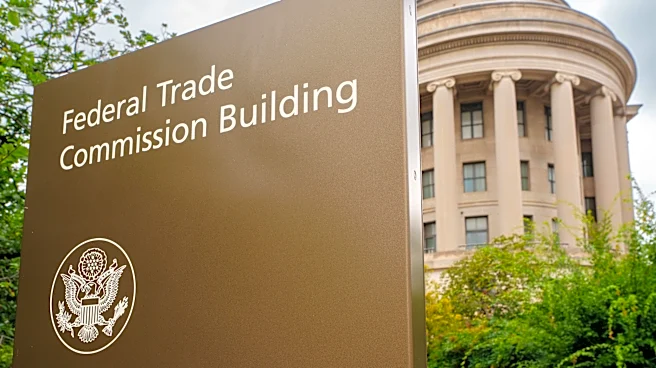
Shein, the fast-fashion e-retailer, has agreed to pay $100 million to resolve claims in the U.S. that it misled consumers regarding shipping times, product reviews, and the origin of cotton in some of its products. A senior Federal Trade Commission (FTC)
official confirmed this settlement. The FTC, which is responsible for protecting consumers from unfair business practices, will utilize these funds to reimburse affected consumers. According to the official, despite Shein's marketing of fast shipping, tens of thousands of customers reported significant delays, receiving packages days or even months late, with some never arriving. Furthermore, the company allegedly blocked or deleted negative product reviews and misrepresented the source of cotton used in certain items. Shein has faced scrutiny over allegations that its clothing contains cotton from China's Xinjiang region, an area where the U.S. and human rights organizations have cited government-sponsored forced labor programs targeting Uyghur minorities. Shein has previously stated that it does not use Chinese cotton in products sold in the U.S., where the Uyghur Forced Labor Prevention Act prohibits imports from Xinjiang.
Why It's Important?
This settlement underscores the FTC's commitment to consumer protection and holding large e-commerce platforms accountable for their business practices. For consumers, the reimbursement fund offers a measure of restitution for misleading shipping claims and potentially biased product information, reinforcing trust in online shopping if companies are seen to be held responsible. For the e-commerce industry, this action serves as a significant warning that transparency in shipping, product reviews, and supply chain ethics is paramount. Companies that engage in deceptive practices risk substantial financial penalties and reputational damage. The focus on cotton origin also highlights the increasing scrutiny on supply chain ethics, particularly concerning forced labor allegations, which can have broad implications for international trade and corporate social responsibility. This case could encourage other retailers to enhance their supply chain due diligence and ensure accurate product information to avoid similar legal challenges.
What's Next?
The $100 million settlement funds will be administered by the FTC to reimburse consumers who were affected by Shein's misleading practices. Details regarding the claims process and eligibility for consumers are expected to be announced by the FTC. For Shein, this settlement may prompt a review and overhaul of its customer service, shipping logistics, and product review management systems to ensure compliance with U.S. consumer protection laws. The company will likely face continued pressure to demonstrate transparency in its supply chain, especially concerning the sourcing of materials like cotton, to address ongoing human rights concerns. This resolution could also set a precedent for how regulatory bodies approach similar issues with other fast-fashion or e-commerce giants, potentially leading to increased oversight across the industry regarding advertising claims and ethical sourcing.
Beyond the Headlines
The Shein settlement extends beyond immediate financial penalties, touching upon broader ethical and operational challenges within the fast-fashion industry. The allegations of manipulating product reviews highlight a systemic issue of trust in online marketplaces, where consumer purchasing decisions heavily rely on peer feedback. This case could spur a wider industry discussion on the authenticity and integrity of online reviews. Furthermore, the persistent concerns about cotton sourcing from Xinjiang underscore the complex interplay between global supply chains, human rights, and international trade regulations. Companies operating globally are increasingly expected to navigate these ethical landscapes, and failures can lead to significant legal and reputational repercussions. This settlement may encourage a shift towards greater supply chain traceability and ethical sourcing practices across the retail sector, pushing companies to invest more in verifying the origins of their materials and ensuring fair labor practices throughout their production networks.