



What's Happening?
Home fragrance rituals, particularly those involving oud and bakhoor in the UAE and Gulf region, are gaining renewed attention for their ability to transform atmosphere, energy, and mood. These practices, deeply embedded in cultural, religious, and spiritual
traditions, are now being reinterpreted through the lens of contemporary wellbeing. Historically used for welcoming guests, cleansing spaces, and marking significant life events, the burning of oud, bakhoor, frankincense, and myrrh is seen as a way to shift both the physical environment and emotional states. Suzanne Saleh, a holistic health coach, notes that scent can completely alter an atmosphere, creating comfort and uplifted energy. Natalie Noor, founder and CEO of Maison Natalie Noor, emphasizes that these fragrances are about presence and transforming the invisible, carrying memory, emotion, and intention. The global wellness industry is increasingly recognizing the potential of these ancient rituals to enhance inner states and create calming, meaningful sensory experiences.
Why It's Important?
The reinterpretation of traditional home fragrance rituals for modern wellness has significant implications for the U.S. lifestyle and wellness industries. As consumers increasingly seek holistic approaches to well-being, the integration of scent as a tool for mood alteration and atmospheric enhancement presents new market opportunities. The growing popularity of oud, once primarily associated with traditional homes in the UAE, in international wellness centers, spas, and hotels, indicates a broader acceptance and demand for culturally rich fragrance experiences. This trend suggests a shift from purely aesthetic fragrance use to one focused on emotional and spiritual benefits. Businesses in the U.S. can capitalize on this by offering products and services that incorporate these ancient practices, appealing to a demographic interested in mindfulness, stress reduction, and creating intentional living spaces. The emphasis on natural ingredients and the narrative of transforming one's inner state through external sensory input aligns with current wellness trends, potentially leading to new product lines and experiential offerings.
What's Next?
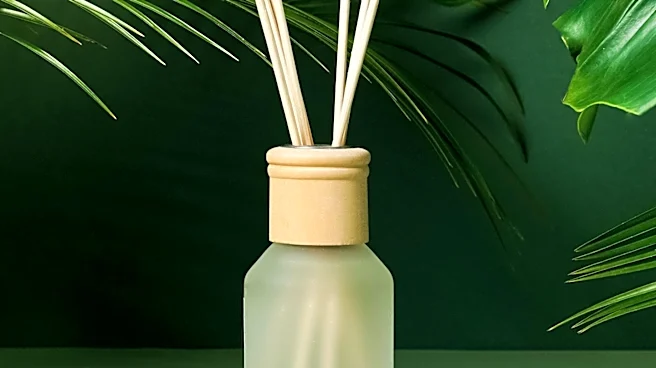
The trend of integrating traditional home fragrance rituals into modern wellness practices is likely to continue expanding, with more U.S. businesses exploring and adopting these concepts. We can anticipate an increase in the availability of products like oud and bakhoor, as well as contemporary interpretations such as air enhancement sprays and reed diffusers that draw inspiration from these ancient traditions. The wellness and hospitality sectors are expected to further incorporate these fragrances into their offerings, such as oud-based massages and aromatic candle oils in spa treatments, as seen in international examples. There may also be a rise in educational initiatives and workshops focused on the cultural significance and practical application of these rituals for personal well-being. As scientific research continues to explore the potential calming and mood-altering properties of these scents, their integration into mainstream wellness routines could become more formalized, moving beyond anecdotal evidence to scientifically supported practices. This evolution will likely involve collaborations between traditional practitioners and modern wellness brands to create authentic and effective products.
Beyond the Headlines
The resurgence of interest in home fragrance rituals, particularly those rooted in Middle Eastern traditions, highlights a broader cultural shift towards valuing sensory experiences and their impact on mental and emotional well-being. This movement transcends mere product consumption, touching upon deeper ethical and cultural dimensions. It encourages a re-evaluation of how ancient practices, often dismissed as superstitious or purely ceremonial, can offer profound benefits in a modern context. The emphasis on 'transforming the invisible' through scent speaks to a desire for intentional living and creating sacred spaces within one's home. This trend also raises questions about cultural appropriation versus appreciation, as U.S. businesses adopt and adapt these practices. Ensuring respectful engagement with the origins and meanings of these rituals will be crucial for their authentic integration and long-term success. Furthermore, the focus on natural ingredients and the potential for calming and stress-reducing effects aligns with a growing societal need for tools to combat the pressures of contemporary life, suggesting a deeper quest for inner peace and balance through sensory engagement.