






What's Happening?
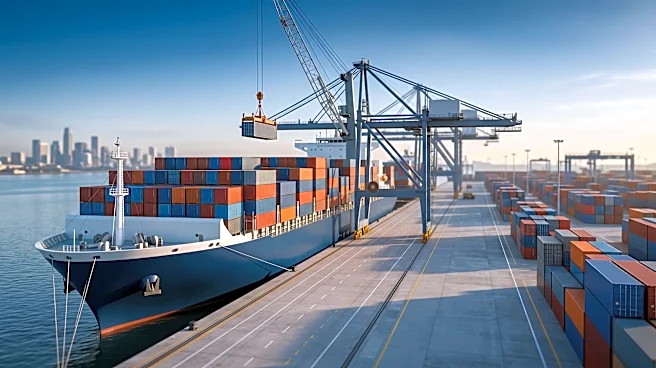
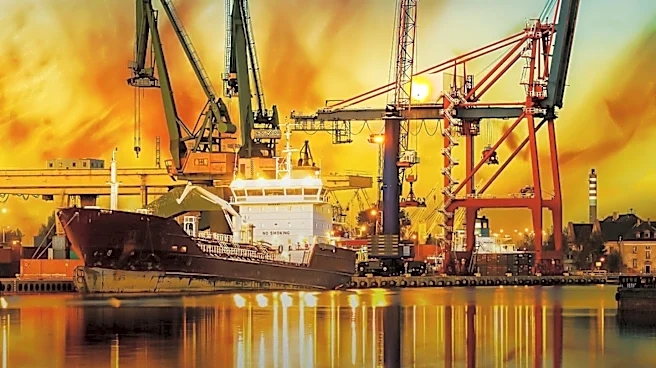
The Dangote Group, owned by Nigerian billionaire Aliko Dangote, is embarking on a significant expansion of its shipping fleet, aiming to acquire tankers and dry bulk ships. This initiative is supported by the Nigerian government's efforts to stimulate
the domestic maritime industry through the Cabotage Vessel Financing Fund (CVFF). The Nigerian Maritime Administration and Safety Agency (NIMASA) has received 92 applications for the ship subsidy, with 20 forwarded to approved lending institutions and one already cleared for funding. The government has also increased the number of approved banks from five to twelve to expedite access to the fund. This move is expected to create a stronger indigenous fleet, fostering activity in shipyards, maritime logistics, and other supporting industries. The Dangote Group's decision to invest in seaborne transport is driven by the need to overcome logistical challenges, such as high Value Added Taxes (VAT) on road transport across West and Central African countries, which significantly increase export costs for its cement products.
Why It's Important?
This development holds significant importance for the U.S. and global maritime industry, particularly in the context of international trade and supply chain dynamics. A robust Nigerian domestic shipping fleet, as envisioned by the Dangote Group's expansion and government support, could alter existing shipping routes and trade relationships. Increased self-sufficiency in maritime transport for a major African economy like Nigeria could reduce reliance on foreign carriers for certain goods, potentially impacting global shipping companies that currently serve the region. Furthermore, the expansion of the Dangote Refinery, with plans to double its output to 1.4 million barrels per day, will necessitate approximately 1,800 vessel calls annually. This massive demand for shipping services will create new opportunities and potentially shift maritime traffic patterns, influencing global energy markets and the demand for specific types of vessels. The move also highlights a broader trend among large industrial conglomerates to integrate logistics into their core operations to enhance efficiency and reduce costs, a strategy that could be emulated by other businesses with extensive international trade needs.
What's Next?
The Dangote Group is scheduled to visit China to negotiate with shipbuilders for orders, with the first batch of vessels anticipated to arrive as early as 2029. The exact number of vessels to be ordered has not yet been announced. Concurrently, the Nigerian government will continue to process applications for the Cabotage Vessel Financing Fund, aiming to disburse funds to eligible applicants to further bolster the indigenous fleet. The expansion of the Dangote Refinery's capacity to 1.4 million barrels per day within the next five years will necessitate a substantial increase in maritime logistics, requiring the new fleet to be operational and efficient. This will likely lead to increased activity in Nigerian ports and potentially attract further investment in maritime infrastructure. The success of this initiative could serve as a model for other African nations seeking to enhance their maritime capabilities and reduce dependence on external shipping services.
Beyond the Headlines
The Dangote Group's investment in a shipping fleet, coupled with the Nigerian government's support for indigenous maritime development, signifies a strategic shift towards greater economic autonomy and regional influence. This move could have long-term implications for trade policies and economic partnerships across West and Central Africa, potentially fostering greater intra-African trade and reducing the economic impact of cross-border taxes on road transport. Ethically, the development of a stronger domestic fleet could create more local jobs and stimulate economic growth within Nigeria, contributing to poverty reduction and improved living standards. Environmentally, the choice of new vessels and their operational efficiency will be crucial in determining the carbon footprint of this expanded maritime activity. The initiative also underscores the growing trend of vertical integration in large corporations, where companies take control of their supply chains to mitigate risks and enhance profitability, a strategy that could reshape global business models in various sectors.