






What's Happening?
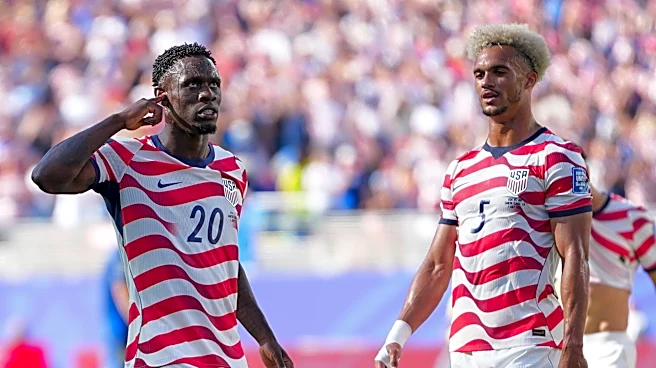
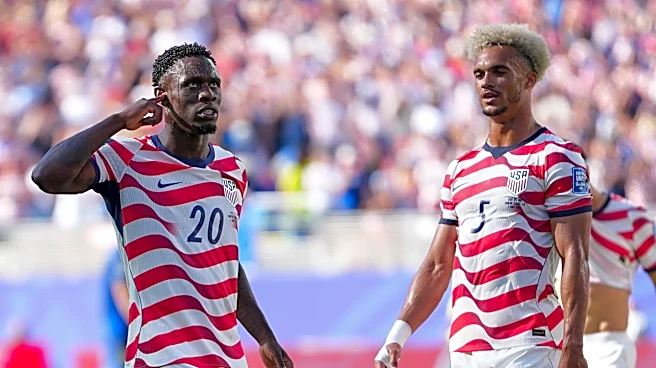
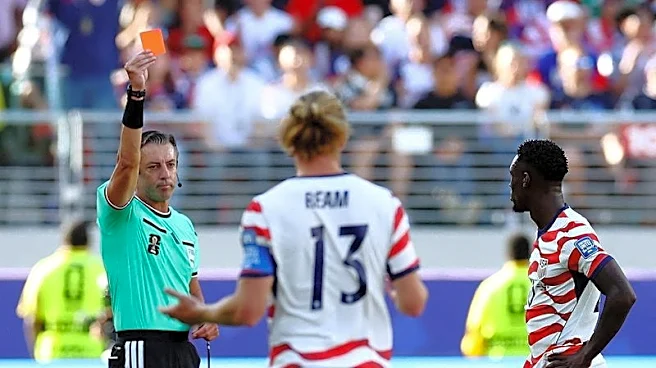
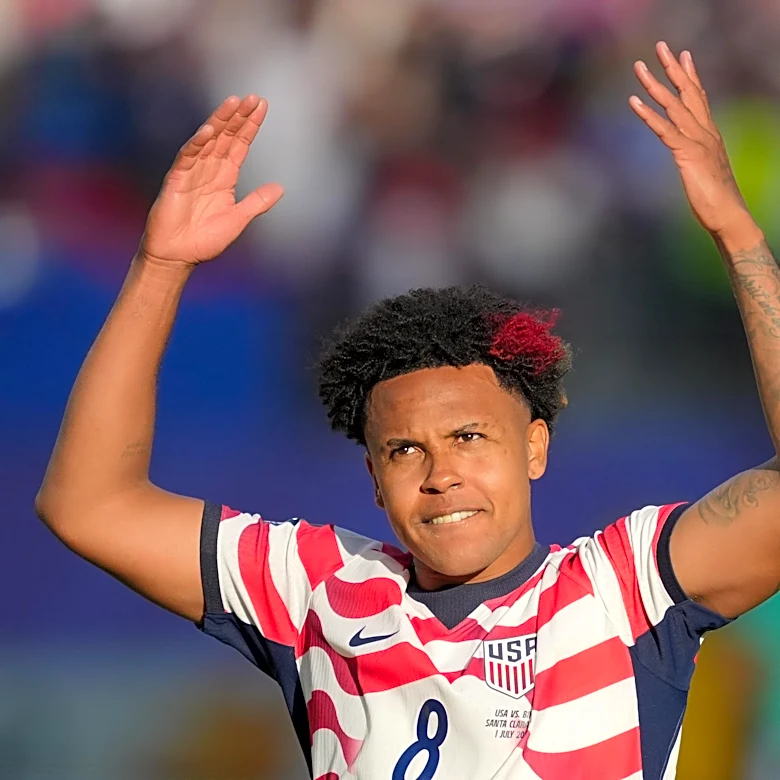
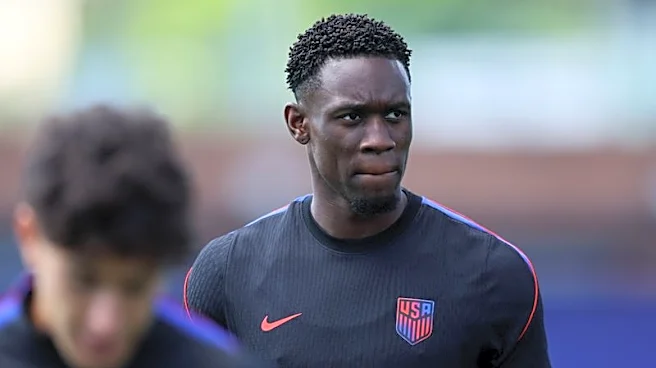
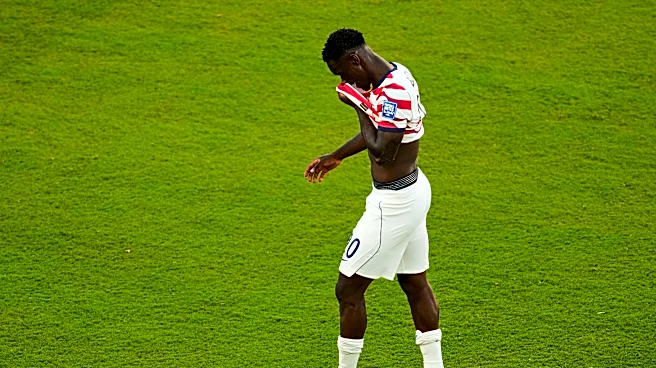
FIFA's decision to allow U.S. forward Folarin Balogun to play in the World Cup match against Belgium has sparked significant controversy. Balogun received a red card in a previous match against Bosnia-Herzegovina, which typically results in a one-game
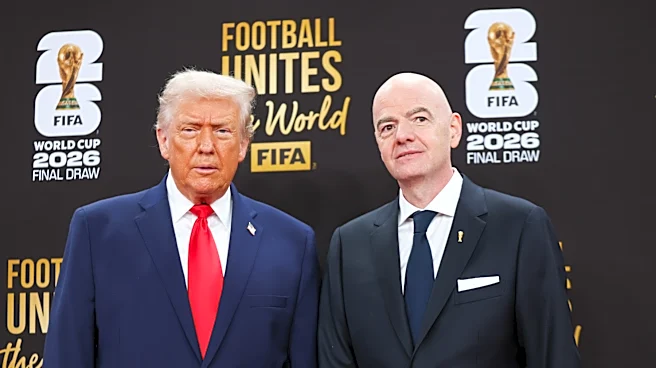
suspension. However, after a call from President Trump to FIFA President Gianni Infantino, the suspension was lifted. This decision has been criticized by UEFA and the Belgian soccer federation, who argue it undermines the integrity of the competition. Despite the backlash, a FIFA appeals judge dismissed Belgium's legal challenge, allowing Balogun to play.
Why It's Important?
The decision to overturn Balogun's suspension raises questions about the influence of political figures on sports governance. UEFA and other soccer bodies have expressed concern over the precedent this sets for the integrity of the World Cup. The incident highlights potential conflicts of interest and the need for transparency in decision-making processes within FIFA. The controversy could impact FIFA's credibility and its relationship with European soccer organizations, potentially leading to calls for reforms in how disciplinary actions are handled.
What's Next?
Belgium may pursue further legal action through the Court of Arbitration for Sport to contest FIFA's decision. The incident could lead to increased scrutiny of FIFA's governance and disciplinary processes. Stakeholders in the soccer community may push for clearer rules and more consistent application of penalties to ensure fairness in future competitions. The situation also underscores the need for FIFA to maintain independence from political influence to preserve the sport's integrity.