






What's Happening?
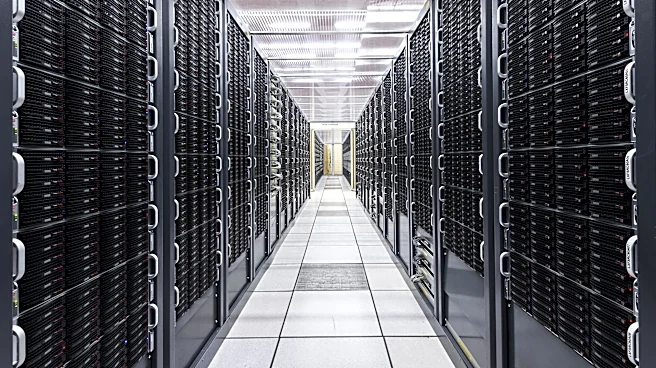
ING is facing difficulties in selling approximately $500 million of data-center loans through a competitive auction, with insufficient acceptable bids received by the November 19 deadline. The portfolio includes exposures linked to Stargate-related infrastructure,
Vantage Data Centers, and CyrusOne. This situation contrasts sharply with the successful oversubscribed financing of approximately $44 billion in debt for SpaceX, which is intended for GPUs and related equipment. The ING portfolio reportedly included a $25 million exposure to Project Jupiter, a Stargate-related development in New Mexico, where Oracle had issued a force majeure notice due to delays in energy infrastructure. Indicative pricing for the New Mexico exposure was in the mid-80s cents on the dollar, lower than other data-center loans. This indicates that while there is significant capital available for new AI-related investments, investors are becoming highly selective regarding existing loan portfolios, scrutinizing factors like construction progress, electricity availability, and contractual protections.
Why It's Important?
This development highlights a growing divergence in the financial markets: a strong appetite for new, structured investments in high-growth sectors like AI infrastructure, versus a cautious approach to existing, potentially riskier assets. The difficulty ING faces in offloading these loans suggests that the market is undergoing a period of 'price discovery,' where the valuation of existing debt is being re-evaluated based on specific project risks rather than broad industry appeal. This could impact banks and other financial institutions holding similar portfolios, potentially leading to increased scrutiny of their data-center loan exposures. For the broader U.S. economy, it signals that while the AI boom continues to attract massive capital, the financing of its underlying infrastructure is becoming more nuanced, with a premium placed on robust project execution and clear contractual terms. This selectivity could lead to higher financing costs for less secure or delayed projects, influencing future development strategies in the data-center sector.
What's Next?
Following the unsuccessful portfolio sale, ING is now exploring individual loan disposals, which will provide further insight into market appetite for specific data-center assets. The eventual individual sale prices will help establish whether the initial auction struggled due to the portfolio's composition, ING's price expectations, or broader shifts in credit appetite. This process will serve as a test case for how existing data-center debt is valued in a rapidly evolving market. Investment committees will likely continue to monitor these trends closely, distinguishing between the availability of capital for new projects and the liquidity of existing assets. This could lead to more stringent due diligence for future data-center financing and potentially influence how banks structure such loans to mitigate perceived risks, especially concerning energy infrastructure and project timelines.
Beyond the Headlines
The contrasting outcomes of ING's loan sale and SpaceX's financing underscore a fundamental shift in how financial markets assess risk within the technology infrastructure sector. It reveals that even within an attractive industry like AI-driven data centers, individual project-level risks, such as energy infrastructure delays or contractual uncertainties, can significantly impact asset valuation and liquidity. This situation also highlights the increasing importance of physical infrastructure constraints in financial risk assessment, moving beyond purely financial metrics. For investors, it emphasizes the need to differentiate between actively financed markets and liquid markets, recognizing that the ability to raise new capital does not guarantee the ability to sell existing assets at desired valuations. This could lead to a re-evaluation of portfolio diversification strategies, as geographically diversified portfolios may still be exposed to similar underlying assumptions about AI expenditure and profitability.