


What's Happening?
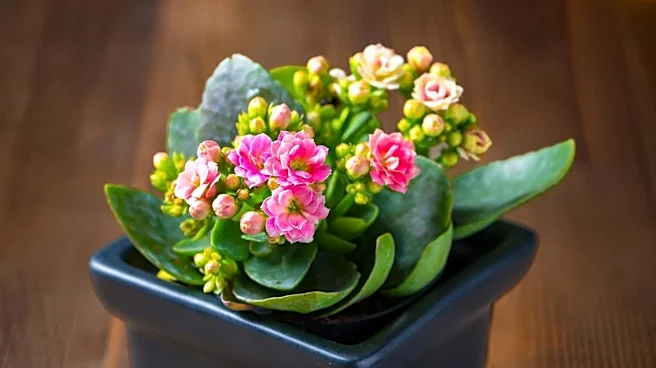
As autumn approaches, gardeners are encouraged to plant fall flowers that will maintain their garden's vibrancy well into the cooler months. Flowers such as chrysanthemums, marigolds, and sunflowers are recommended for their ability to attract pollinators
and provide a burst of color. The article advises gardeners to plan ahead, suggesting that most fall flowers should be planted by mid to late August. It also highlights the importance of consulting the USDA's Plant Hardiness Zones to ensure optimal planting times based on geographic location.
Why It's Important?
Planting fall flowers not only enhances the aesthetic appeal of gardens but also supports local ecosystems by attracting pollinators. This practice can contribute to biodiversity and environmental health, which are increasingly important in the face of climate change and habitat loss. Additionally, gardening itself is a beneficial activity for mental health, offering a form of self-care and stress relief. By planning and planting fall flowers, gardeners can enjoy these benefits while also preparing their gardens for the changing seasons.
What's Next?
Gardeners are encouraged to start planning their fall gardens now, taking into consideration their local climate and the specific needs of different flower species. As the season progresses, they may need to adjust their gardening practices to accommodate changing weather conditions. This proactive approach can ensure that gardens remain vibrant and healthy throughout the fall, providing enjoyment and ecological benefits.