






What's Happening?
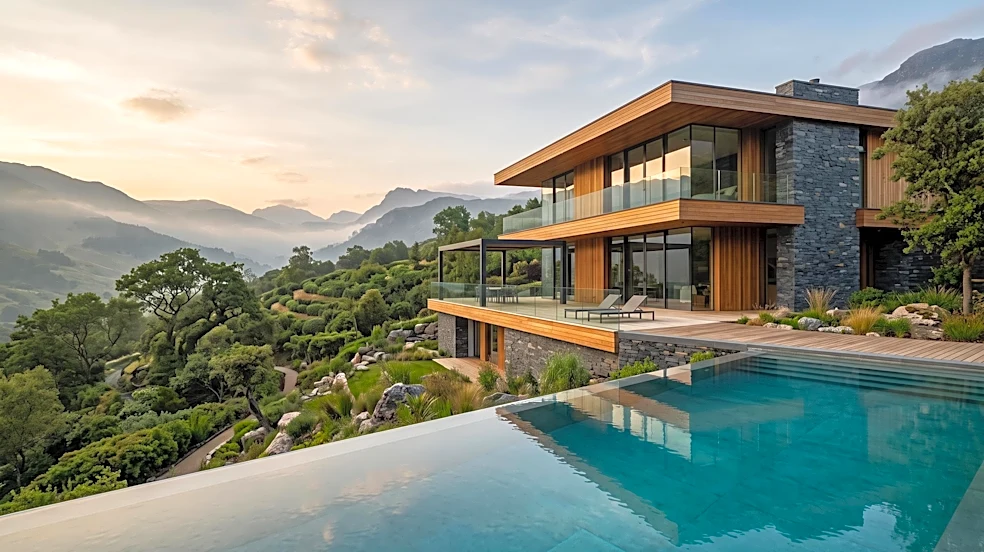
IHG Hotels & Resorts and Marriott International are significantly expanding their branded residence portfolios in Vietnam. IHG, in collaboration with Alphanam Group, announced The Residences at InterContinental Sapa Resort, marking the brand's debut in Vietnam's
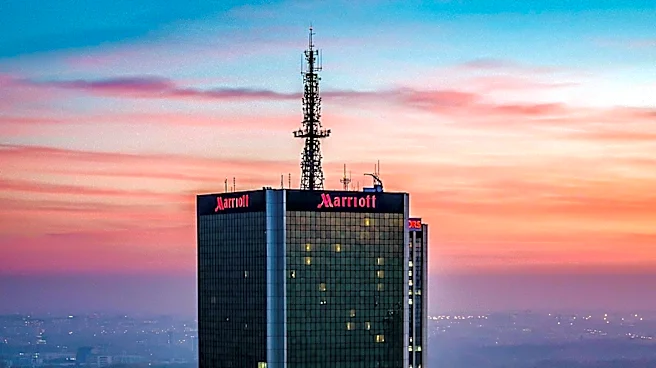
northwest region with 79 branded villas. This development is part of the 83-hectare Alphora Muong Hoa International Resort Complex. Marriott International previously partnered with Masterise Group to develop The Ritz-Carlton, Saigon and The Ritz-Carlton Residences, Saigon, aiming to establish new luxury hospitality benchmarks. Last year, JW Marriott Residences, Grand Marina Saigon, Sea, opened in Ho Chi Minh City, and Marriott also signed an agreement for The Ritz-Carlton Residences in Hanoi. These initiatives reflect a broader trend of international hospitality operators partnering with local developers to cater to Vietnam's growing ultra-high-net-worth individual (UHNWI) population and its increasing appeal as a luxury residential destination.
Why It's Important?
The expansion of branded residences by major international hospitality groups like IHG and Marriott International in Vietnam signifies a strategic shift in the global luxury real estate market. This trend is driven by a projected 29% increase in the global UHNWI population between 2021 and 2026, creating a larger and more mobile wealth base seeking premium living experiences. For the U.S. market, this indicates a growing global appetite for luxury real estate and hospitality services, potentially influencing investment strategies and development models for U.S.-based companies looking to expand internationally or cater to a global clientele. The increasing number of branded residence developments in partnership with international operators, accounting for 60% of the future development pipeline, highlights the growing influence of global brands and a shift towards integrated residential-hotel models. This could also set new standards for luxury living and service expectations, impacting the competitive landscape for high-end properties worldwide.
What's Next?
The branded residence market in Vietnam is expected to continue its rapid growth, with Savills forecasting a 152% increase in supply by 2032. This expansion will likely see more developments launched in partnership with international brands, particularly in major urban centers like Ho Chi Minh City, Hanoi, and Da Nang, as well as established resort destinations. The market is also anticipated to further develop its pricing benchmarks, reflecting the value of brand affiliation, professional management, and service standards. For developers and investors, the focus will be on aligning with the evolving demands of UHNWIs, who are increasingly seeking branded residences closer to home. The success of these projects could serve as a blueprint for similar luxury developments in other emerging markets, further solidifying the branded residence model as a mainstream luxury product globally.
Beyond the Headlines
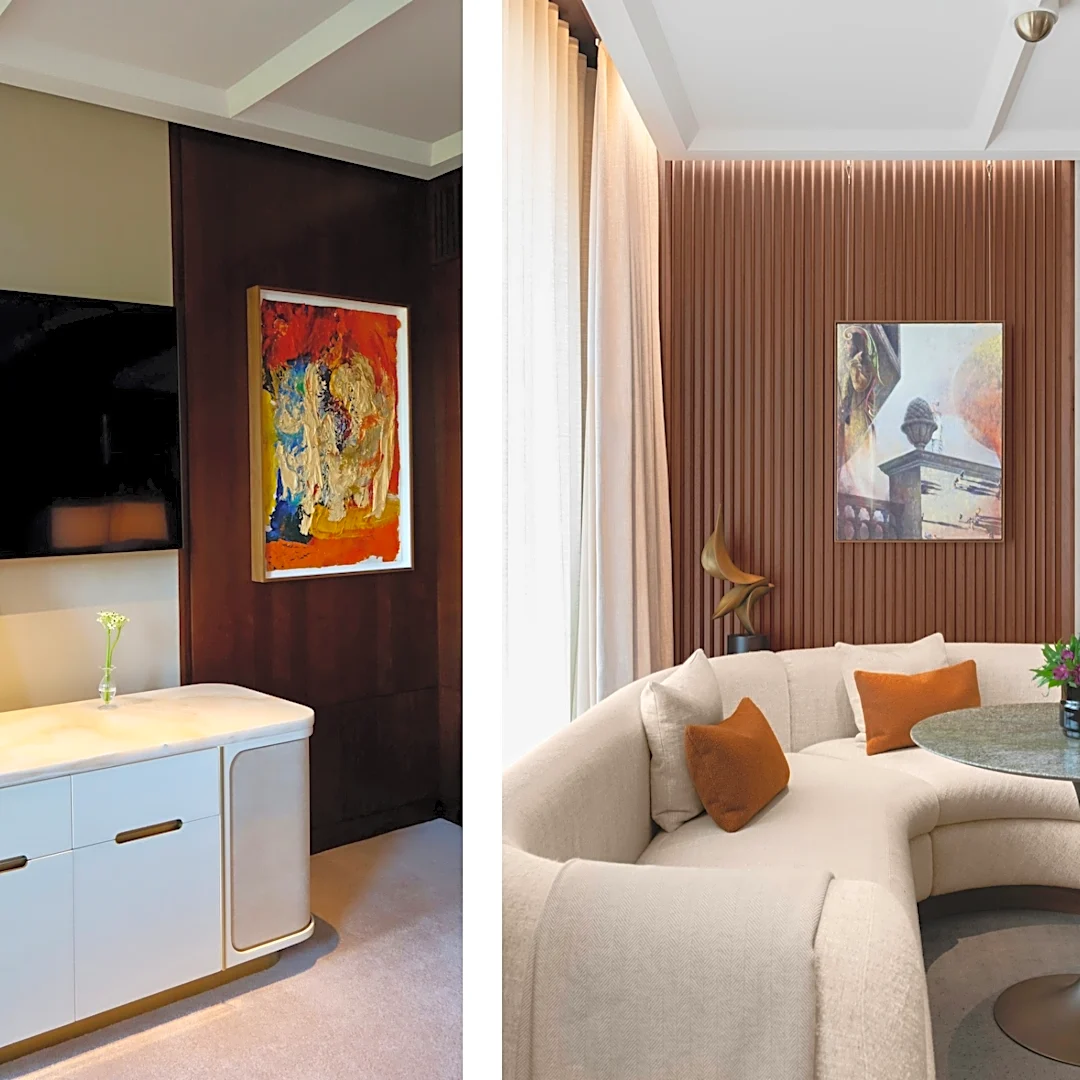
The rise of branded residences in Vietnam and across Asia-Pacific points to a deeper transformation in how luxury is defined and consumed. Beyond just property ownership, these residences offer a lifestyle curated by renowned hospitality brands, providing access to hotel facilities and services such as dining, wellness, and concierge. This blurs the lines between residential and hospitality sectors, creating a hybrid model that caters to a desire for convenience, exclusivity, and consistent quality. The emphasis on integrated residential-hotel models also suggests a shift in urban planning and development, where luxury living is increasingly intertwined with comprehensive service offerings. This trend could lead to new legal and regulatory frameworks to accommodate these hybrid properties and may influence consumer expectations for amenities and services in high-end residential developments globally.