






What's Happening?
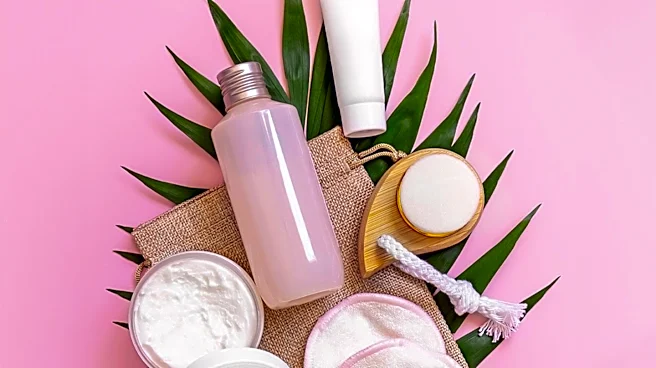
The 'skinimalism' trend is gaining significant traction, promoting a minimalist approach to skincare by reducing the number of products used. This philosophy emphasizes selecting only essential items that genuinely benefit the skin, focusing on quality
ingredients over quantity. The trend moves away from complex, multi-step routines that have become common in recent years, instead advocating for a streamlined regimen that prioritizes skin health and balance. It encourages consumers to be more intentional about their product choices, opting for multi-functional formulas that address various concerns within a single application. This shift is particularly beneficial for individuals with sensitive skin, as it minimizes exposure to unnecessary additives like fragrances that can cause irritation and contact allergies. The core idea is that less can be more, allowing the skin to thrive without being overwhelmed by too many products or conflicting ingredients. This approach also extends to makeup, favoring lightweight, sheer coverage products that enhance natural beauty rather than concealing it.
Why It's Important?
The rise of skinimalism reflects a broader consumer shift towards conscious consumption and a desire for authenticity in personal care. For the beauty industry, this trend signifies a move away from product proliferation and towards efficacy and ingredient transparency. Companies that can offer high-quality, multi-functional products with clear benefits are likely to gain market share, while those relying on extensive, complex routines may see a decline in demand. This trend also has implications for public health, as simplifying routines can reduce instances of skin irritation and allergic reactions caused by over-layering various active ingredients. Economically, consumers may spend less on individual products but potentially invest more in premium, effective essentials, leading to a re-evaluation of value in the skincare market. Furthermore, the emphasis on natural beauty and self-acceptance challenges traditional beauty standards that often promote flawless, heavily made-up appearances, fostering a more positive body image.
What's Next?
As skinimalism continues to evolve, the beauty industry is expected to respond with more innovative, multi-tasking products designed to meet the demand for simplified routines. This could lead to an increase in hybrid formulations, such as serum foundations or moisturizers with built-in SPF, that offer multiple benefits in one step. There will likely be a greater focus on sustainable packaging and ethically sourced ingredients, aligning with the conscious consumer values inherent in the skinimalism movement. Educational initiatives from brands and dermatologists may also increase, guiding consumers on how to identify essential ingredients and build an effective, minimalist routine tailored to their specific skin needs. We may also see a continued integration of technology, such as AI-powered skin analysis, to help individuals personalize their minimalist routines even further, ensuring they select the most impactful products for their unique skin concerns.
Beyond the Headlines
Beyond its immediate impact on product consumption, skinimalism represents a cultural shift towards valuing natural beauty and self-acceptance. It challenges the pervasive notion that more products equate to better results, encouraging a more mindful and less consumerist approach to personal care. This trend could foster a greater appreciation for individual skin characteristics, such as freckles and natural texture, moving away from the pursuit of an idealized, often unattainable, standard of perfection. Ethically, it promotes responsible consumption by reducing waste associated with excessive product use and encouraging investment in fewer, higher-quality items. This philosophical underpinning suggests a broader societal movement towards simplicity and intentionality in various aspects of life, extending beyond just skincare to influence lifestyle choices and environmental consciousness. It underscores a growing desire for authenticity and well-being over superficiality and excess.