
What's Happening?
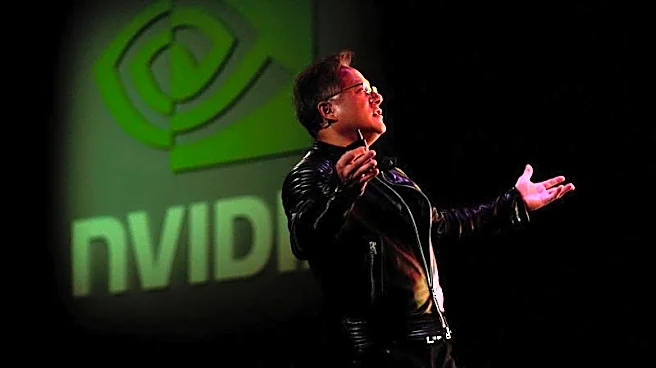
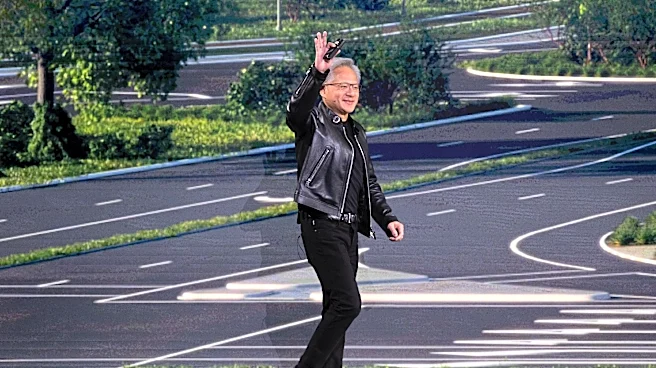
Garry Tan, CEO of Y Combinator, is among several prominent industry leaders who have questioned the Nvidia board's decision to reinstate CEO Jensen Huang. Huang was temporarily ousted due to personal misconduct
allegations but returned to his position 11 days later. This situation draws parallels to past corporate misconduct cases, such as that of former Hewlett Packard CEO Mark Hurd. The scrutiny has shifted from Huang's behavior to the board's actions and the decisions that led to his initial exit and subsequent return. The debate surrounding Huang's reinstatement also involves President Trump, who reportedly advocated for his return. Critics argue that reinstating a CEO accused of misconduct sets a problematic precedent and may signal deeper organizational issues within Nvidia, including potential scrutiny of its financial dealings and compliance with U.S. sanctions on Chinese chip imports.
Why It's Important?
The reinstatement of Jensen Huang at Nvidia, despite allegations of personal misconduct, carries significant implications for corporate governance and executive accountability in the U.S. tech industry. The involvement of prominent figures like Garry Tan and President Trump highlights the influence that can be exerted on corporate board decisions, potentially undermining standard protocols for addressing executive misbehavior. This case could establish a precedent where powerful CEOs might be perceived as being above typical corporate considerations for dismissal, potentially emboldening further misconduct. For stakeholders, this raises concerns about the rigor of board oversight, CEO succession planning, and the potential for reputational and governance risks. The situation also brings into question the company's organizational culture and its broader compliance, particularly regarding U.S. sanctions, which could impact investor confidence and regulatory scrutiny.
What's Next?
The Nvidia board's decision to reinstate Jensen Huang is likely to continue to draw scrutiny from industry observers, corporate governance advocates, and potentially regulatory bodies. The focus will remain on how Nvidia addresses the underlying issues that led to the misconduct allegations and the board's rationale for Huang's return. This event could prompt other corporate boards to re-evaluate their own policies regarding executive misconduct and the pressures they face in such situations. Furthermore, the broader implications for Nvidia's organizational culture, financial dealings, and adherence to U.S. sanctions on Chinese chip imports will likely be subject to ongoing examination. The precedent set by this case could influence future decisions by boards when confronted with similar situations involving high-profile executives.
Beyond the Headlines
The Nvidia case, with Garry Tan's public questioning of the board's decision, delves into the ethical and cultural dimensions of corporate leadership. It highlights the tension between a CEO's perceived indispensability to a company's success and the imperative for ethical conduct and robust corporate governance. The argument that personal misconduct can be a symptom of larger organizational problems suggests that boards must look beyond individual actions to systemic issues. The potential for political influence, as reportedly seen with President Trump's involvement, adds another layer of complexity, raising questions about the independence of corporate decision-making. This scenario could trigger a long-term shift in how boards balance the interests of shareholders, the integrity of leadership, and external pressures, potentially leading to increased demands for transparency and accountability in executive oversight across the U.S. business landscape.