




What's Happening?
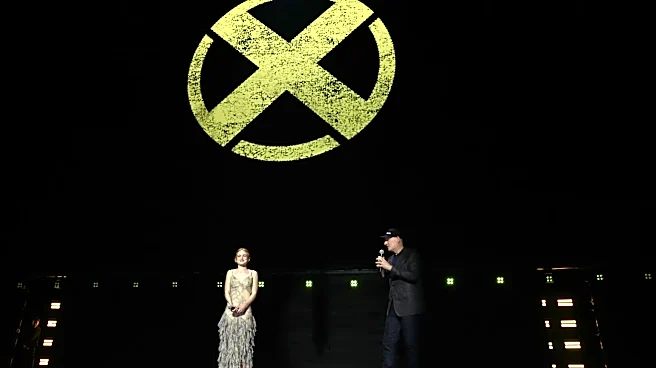
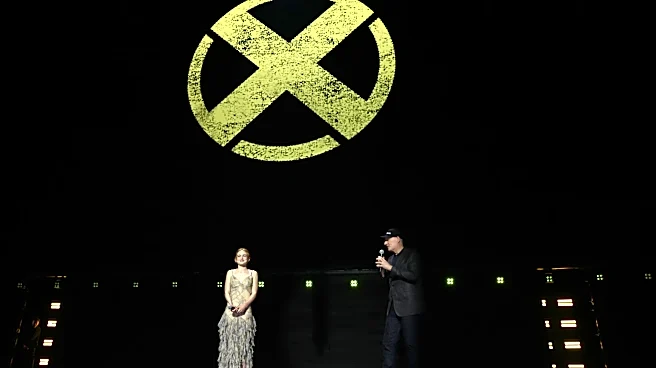
Marvel Studios has unveiled the cast for its upcoming X-Men film, marking the integration of mutants into the Marvel Cinematic Universe (MCU). Directed by Jake Schreier, the untitled film is set to introduce a new generation of superheroes, with a release
scheduled for May 5, 2028, following 'Avengers: Secret Wars.' Sadie Sink will portray Jean Grey, Kit Connor will play Cyclops, and Christopher Abbott is cast as Professor Charles Xavier. Other notable cast members include Samara Weaving as Emma Frost, Inde Navarrette as Rogue, and Maya Boyd as Storm. Adam Driver will take on the villainous role of Nathaniel Milbury, also known as Mister Sinister. The film aims to explore themes of identity, discrimination, and acceptance, which are central to the X-Men franchise, while introducing a fresh lineup of actors to iconic roles.
Why It's Important?
This announcement is highly significant for the U.S. entertainment industry and Marvel fans, as it officially brings the X-Men into the MCU, a move long anticipated since Disney's acquisition of 20th Century Fox. The X-Men franchise has a rich history of addressing social issues through its mutant allegory, and its integration into the MCU provides a vast platform for these themes to reach a global audience. The casting of a new generation of actors for beloved characters signals a fresh direction for the franchise, potentially attracting new viewers while aiming to satisfy existing fans. The success of this reboot could significantly impact Marvel's future cinematic strategy, influencing subsequent film and television projects and potentially leading to a new wave of merchandise and related media.
What's Next?
With the film scheduled for release in May 2028, the coming years will likely see a gradual rollout of more details, including plot specifics, character designs, and promotional materials. The introduction of these new actors into such iconic roles will be closely watched by fans and critics, with early reactions potentially influencing public perception and box office projections. Marvel's strategy for integrating mutants into the broader MCU narrative will also be a key point of interest, as it could set precedents for how other previously separate franchises are brought into the shared universe. The film's performance will be a critical indicator of the continued viability and evolution of the superhero genre in Hollywood.
Beyond the Headlines
The reintroduction of the X-Men into the MCU carries deeper cultural implications, particularly concerning its potential to reignite discussions around themes of prejudice, acceptance, and diversity. The X-Men narrative has historically served as a powerful allegory for marginalized groups, and its return to mainstream cinema could offer timely commentary on contemporary social issues. The casting choices, especially for diverse characters, will be scrutinized for their representation and impact. Furthermore, the film's success or failure could influence the broader trend of cinematic universes, potentially encouraging other studios to either double down on interconnected storytelling or explore more standalone narratives. This reboot is not just a new movie; it's a cultural touchstone with the potential to shape societal conversations and industry trends.