





What's Happening?
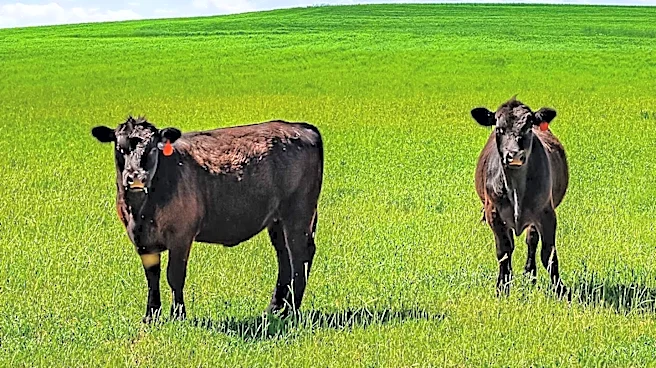
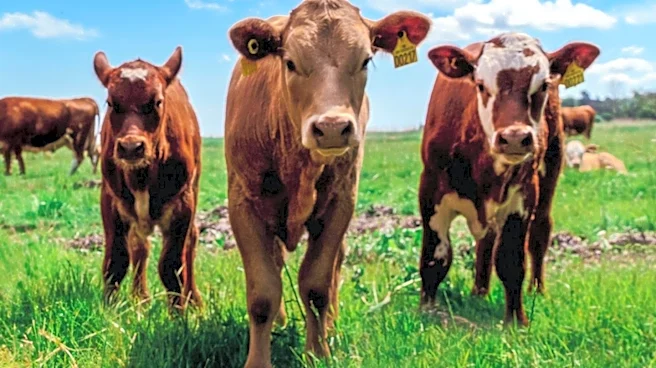
The U.S. cattle industry is experiencing a slow rebuilding process due to prolonged droughts and a reduced population of female cattle, leading to tight supplies and high beef prices. According to the U.S. Department of Agriculture (USDA), there has been
a year-over-year decrease in cattle being placed on feed and fed cattle being marketed. The current herd sizes are the smallest since 1951, exacerbated by severe droughts and the spread of flesh-eating screwworms limiting cattle imports from Mexico. This situation has resulted in soaring beef prices, with ground beef prices up 12.4% year-over-year and beef roast prices increasing by 13.8%. While cow-calf ranchers are benefiting from higher prices, other sectors like feedlot farmers and meatpackers are facing challenges due to rising input costs and shrinking margins.
Why It's Important?
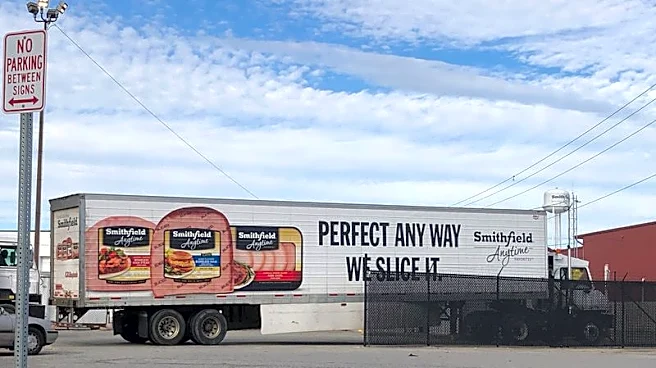
The slow rebuilding of the U.S. cattle herd has significant implications for the beef industry and consumers. High beef prices are straining farmers who fatten cattle, while ranchers are seeing increased profits. The tight supply is causing feedlots to struggle with maintaining volume, impacting their profitability. Meatpackers like Tyson Foods are experiencing operating losses due to decreased sales volumes and increased prices. The prolonged shortage is expected to continue, affecting the margin structure and supply chain dynamics within the industry. Consumers are facing higher beef prices, which could impact household budgets and shift demand patterns.
What's Next?
The cattle industry is likely to face continued challenges as the shortage persists. Feedlots may experience more difficulties in maintaining their operations, and meatpackers could see further financial strain. The industry will need to navigate these challenges while waiting for herd inventories to rebuild. The USDA's Cattle on Feed report indicates ongoing decreases in cattle placements, suggesting that the tight supply will continue. Stakeholders may need to explore alternative strategies to manage costs and maintain profitability amid these conditions.