




What's Happening?
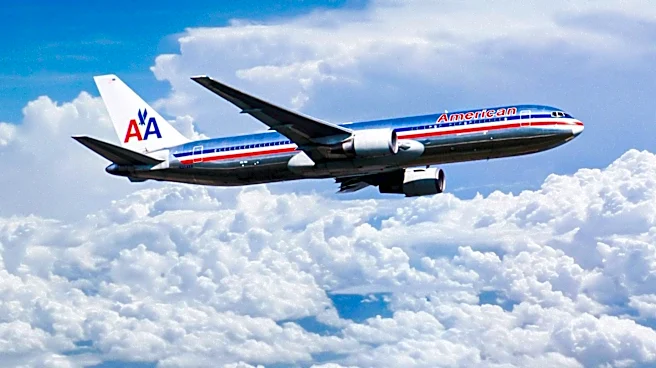
American Airlines and STARLUX Airlines have initiated a new codeshare partnership aimed at enhancing flight options between North America and Taipei. This collaboration allows travelers to book select STARLUX-operated flights between the Western U.S.
(Los Angeles International Airport, Ontario International Airport, San Francisco International Airport, and Seattle-Tacoma International Airport) and Taipei Taoyuan International Airport (TPE) through American Airlines. Pending regulatory approvals, American will also place its code on STARLUX-operated flights between Phoenix Sky Harbor International Airport (PHX) and TPE. The partnership, which builds on an interline agreement established in 2025, offers conveniences such as single-ticket booking, through-checked baggage, and the ability for AAdvantage members to earn miles and Loyalty Points on eligible codeshare flights. This move is part of American Airlines' broader strategy to strengthen its global network and provide new competitive itineraries, particularly in the trans-Pacific market.
Why It's Important?
This codeshare partnership is significant for several reasons. For American Airlines, it expands its international reach, particularly in the growing Asian market, by leveraging STARLUX's network. This allows American to capture connecting traffic between its extensive North American network and STARLUX’s presence across Asia, without needing to operate additional long-haul flights itself. For travelers, the partnership offers increased convenience and flexibility, providing more seamless travel experiences between the U.S. and Taipei, a key destination for business, family visits, and leisure. The ability to earn AAdvantage miles and Loyalty Points on these flights adds value for American Airlines' frequent flyers. Furthermore, the collaboration is expected to support growing trans-Pacific business ties, especially for major industries like semiconductors, by facilitating easier travel for professionals. The partnership also positions American Airlines to enhance its customer proposition through expanded connectivity and smoother transfers, potentially improving its competitive standing against other major carriers.
What's Next?
The codeshare partnership is already active for select flights, with bookings available for travel starting September 30. American Airlines and STARLUX Airlines plan to explore future opportunities, including reciprocal frequent-flyer benefits such as mileage redemption and additional travel perks. There is also potential for the partnership to expand to include more destinations, further broadening the network reach for both airlines. American Airlines will continue to place its code on STARLUX-operated flights, with regulatory approvals pending for routes like Phoenix to Taipei. This ongoing collaboration is expected to deepen the integration between the two airlines' services, offering more comprehensive travel solutions and benefits to their respective customer bases. The success of this initial phase will likely influence the scope and speed of future expansions and enhancements to the partnership.
Beyond the Headlines
Beyond the immediate benefits of expanded routes and customer convenience, this codeshare agreement highlights a strategic shift in how major U.S. airlines are approaching international market penetration. Instead of solely relying on direct expansion, American Airlines is utilizing partnerships to efficiently extend its global footprint, particularly in high-growth regions like Asia. This approach minimizes operational costs and risks while maximizing network coverage and customer access. The focus on Taipei as a hub also underscores its increasing importance as a gateway to Asia, driven by its vibrant economy and cultural appeal. The partnership's emphasis on premium experiences, with STARLUX's offerings like lie-flat seats and enhanced amenities, suggests a broader industry trend towards differentiating services through luxury and comfort, even in codeshare arrangements. This could set a new standard for customer expectations in trans-Pacific travel and influence future airline collaborations.