






What's Happening?
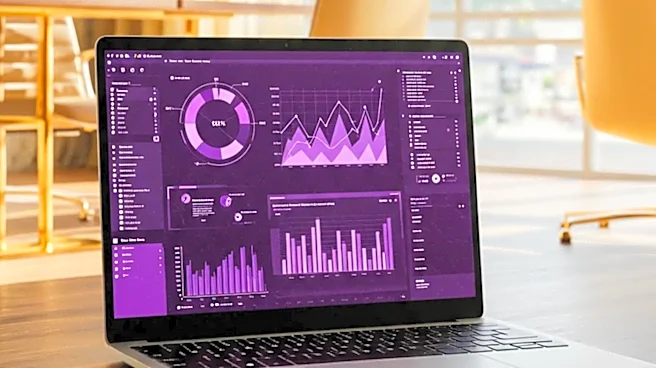
Symphonic offers a service that provides artists with comprehensive analytics to monitor their music's performance across various streaming platforms, including Spotify, Apple Music, and Amazon Music. This tool allows artists to consolidate data from
different dashboards into a single view, making it easier to compare performance, identify trends, and make informed promotional decisions. The analytics go beyond simple stream counts, enabling artists to understand listener demographics, geographic locations, and the impact of playlists on their music's reach. By analyzing how streaming activity changes over time and across different platforms, artists can pinpoint which songs are gaining traction and where their audience is growing. For instance, a song with fewer total streams might show significant percentage growth, indicating a rising interest that could be leveraged for further promotion.
Why It's Important?
This analytical approach is crucial for artists navigating the complex and fragmented music streaming landscape. With music distributed across numerous platforms, understanding where and how an audience engages with content is vital for strategic career development. The ability to identify specific growth areas, such as a particular song gaining popularity in a new territory or on a specific platform, allows artists to tailor their marketing efforts more effectively. This can lead to more efficient allocation of resources, whether it's focusing promotional campaigns on certain regions or creating content around unexpectedly popular tracks. For independent artists, in particular, these insights can be the difference between struggling to gain visibility and successfully building a sustainable fanbase and revenue stream, by turning data into actionable strategies for growth.
What's Next?
Artists utilizing Symphonic's analytics can expect to refine their promotional strategies based on the data insights. By regularly reviewing their streaming performance, they can identify successful tactics and replicate them, or adjust underperforming campaigns. For example, if a song shows a sudden spike in streams after a social media post, artists can create more similar content. If growth is observed in a specific country, they might consider targeted advertising or collaborations with local creators to further build their presence in that market. The continuous monitoring of these metrics will enable artists to adapt to evolving audience behaviors and platform trends, ensuring their music reaches the right listeners and maximizes its potential impact and revenue generation.
Beyond the Headlines
The increasing reliance on data analytics in the music industry highlights a broader shift towards a more data-driven approach to artistic careers. This trend moves beyond traditional metrics of success, such as album sales or radio play, to a granular understanding of audience engagement in the digital realm. While this offers unprecedented opportunities for artists to connect directly with their fans and optimize their reach, it also raises questions about the balance between artistic expression and algorithmic optimization. The emphasis on data could inadvertently encourage artists to create music that is more likely to perform well on streaming algorithms, potentially influencing creative choices. However, it also empowers artists with tools to understand their market without relying solely on record labels, fostering greater independence and control over their careers.