









What's Happening?
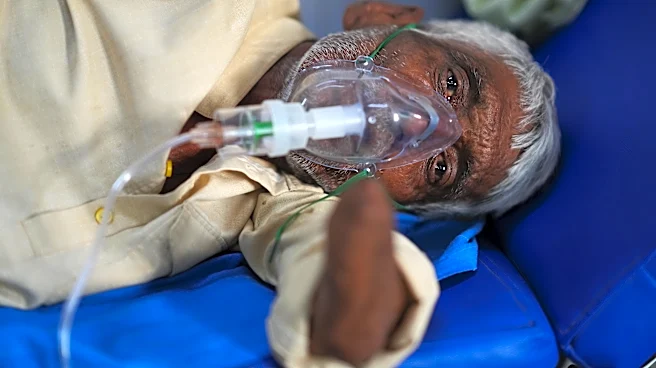
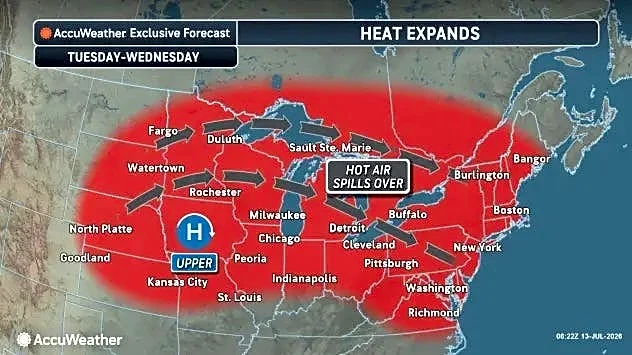
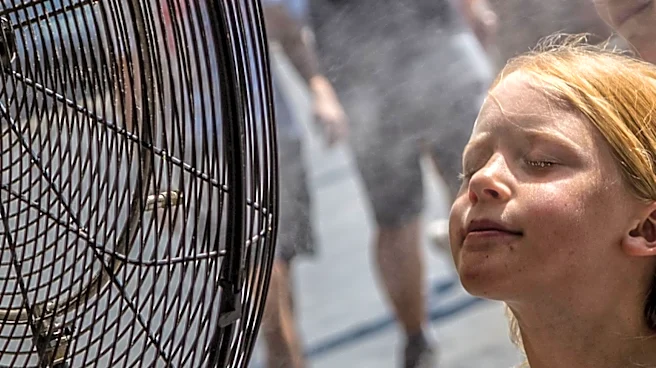
As extreme summer heat affects many parts of the world, including the U.S., individuals are seeking ways to stay cool without relying on air conditioning. Drawing from experiences in regions like Uttar Pradesh, India, where air conditioning is not widely
accessible, several strategies are suggested. These include staying hydrated with electrolyte-rich drinks, using cooling showers, and finding shaded areas to rest. The article emphasizes the importance of being mindful of heat's effects and taking proactive measures to prevent heat-related illnesses.
Why It's Important?
With climate change contributing to more frequent and intense heatwaves, understanding how to cope with extreme heat is increasingly important for public health. Many people, particularly those in lower-income communities, may not have access to air conditioning, making alternative cooling strategies essential. These methods can help reduce the risk of heat-related illnesses, such as heatstroke, which can be life-threatening. Public awareness and education on these strategies can empower individuals to protect themselves and their families during extreme heat events.
Beyond the Headlines
The reliance on air conditioning as a primary means of cooling raises concerns about energy consumption and environmental impact. Exploring and promoting alternative cooling methods can contribute to more sustainable living practices. Additionally, these strategies highlight the importance of community knowledge and cultural practices in addressing environmental challenges. As climate change continues to affect weather patterns, integrating traditional and innovative cooling techniques could play a role in building resilience against extreme heat.