

What's Happening?
Pilates is recognized for its benefits in increasing core strength, improving posture, and enhancing muscle stability. The practice, which originated during World War 1 with Joseph Pilates using bed springs for resistance exercises, is recommended for consistent
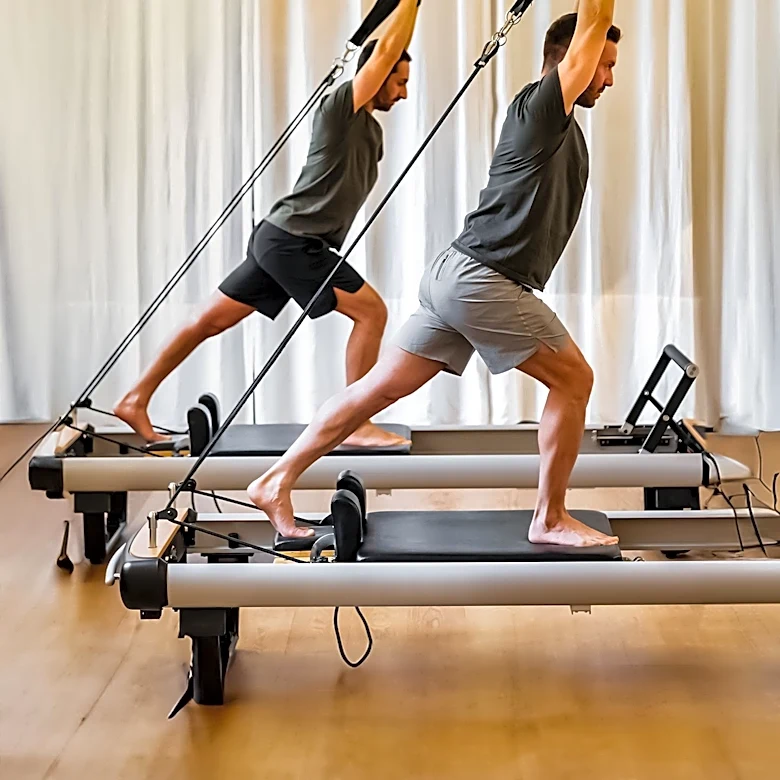
engagement, starting with two sessions per week and potentially increasing to four to five times weekly for more significant transformations. While Pilates is beneficial for all life stages and strengthens the body without causing joint damage, it may not provide the increased muscle strength desired by some individuals and should ideally be part of a varied fitness routine. Pilates Reformer exercises, in particular, emphasize dynamic core engagement and the activation of deep abdominal muscles, offering a more effective approach to toning the core compared to traditional crunches.
Why It's Important?
The growing popularity of Pilates, often fueled by social media trends, highlights a broader interest in fitness methods that prioritize core strength and overall body stability. For individuals seeking to improve their physical well-being, Pilates offers a low-impact yet effective option. However, the distinction between aesthetic-driven, at-home routines and more rigorous, weighted, or heated studio classes is crucial. Understanding this difference can help consumers make informed decisions about their fitness investments and avoid disappointment if their goals include significant muscle strengthening. The emphasis on core engagement and posture improvement also has implications for public health, as strong core muscles contribute to reduced back pain and improved functional movement in daily life.
What's Next?
As Pilates continues to gain traction, particularly through online platforms, there will likely be a continued evolution in how the practice is offered and perceived. Fitness professionals and studios may increasingly emphasize the importance of proper form and the benefits of varied workouts to manage client expectations. The accessibility of at-home routines, while convenient, may lead to a greater need for educational content that clarifies the limitations of such practices compared to structured, instructor-led sessions. Furthermore, the integration of Pilates principles into broader fitness and rehabilitation programs could expand, given its focus on strengthening without joint damage, making it suitable for a wider demographic.
Beyond the Headlines
The discussion around Pilates extends beyond mere physical exercise, touching upon the influence of social media on fitness trends and body image. The desire for a 'toned' physique, often associated with Pilates, underscores societal pressures and aesthetic ideals. This highlights a potential disconnect between the perceived outcomes of quick, at-home workouts and the actual physiological changes required for muscle development. The commercial aspect, with varying price points for classes and memberships, also raises questions about accessibility and equity in fitness. Ultimately, the effectiveness of Pilates, like any exercise, is tied to consistency, proper technique, and a holistic approach to health, rather than solely relying on trending methods.