







What's Happening?
JPMorgan Chase has officially launched its dollar-backed token, JPM Coin (JPMD), on the Ethereum mainnet, making it available to select institutional clients through its blockchain division, Kinexys. This move expands JPM Coin's presence beyond its existing
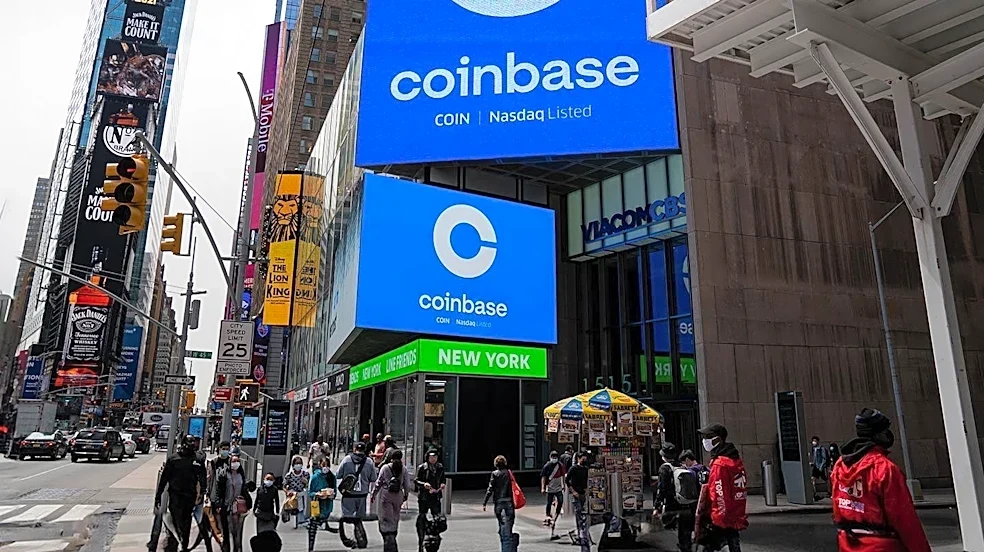
version on Base, Coinbase Global's layer-2 network. Kinexys has processed over $4 trillion in transactions since its inception, averaging about $7 billion daily, though most of this occurs on JPMorgan’s private network. JPM Coin functions as a deposit token, representing a U.S. dollar held in a client's JPMorgan account, distinct from stablecoins managed by non-bank entities. Despite this significant integration by a major financial institution, Ethereum (CRYPTO:ETH) has not seen a price increase, trading at $2,386, down 4.2% over the past week, and experiencing $103 million in net outflows from U.S. spot Ether ETFs on the day of the launch.
Why It's Important?
JPMorgan's integration of JPM Coin with the Ethereum mainnet is a landmark event, signaling increased institutional adoption of public blockchain technology. This move allows approved institutional clients to make 24/7 payments, freeing up capital typically tied up outside banking hours. For the U.S. financial industry, it represents a step towards leveraging blockchain for more efficient and continuous financial operations. However, the lack of a positive price reaction in ETH, coupled with significant ETF outflows, suggests that the market views this integration as having limited direct impact on ETH's value. This is partly because JPM Coin transactions require only minimal ETH for gas fees, and JPMorgan does not require clients to hold ETH as an investment. The situation highlights a potential disconnect between the utility of a blockchain for institutional use and its direct effect on the underlying cryptocurrency's market price.
What's Next?
The long-term impact of JPMorgan's move on Ethereum's ecosystem will depend on the volume and nature of institutional activity on the mainnet. While JPMorgan has not disclosed usage statistics for JPM Coin on public blockchains, increased adoption by crypto companies and financial firms for trade settlements or tokenized assets could modestly increase demand for ETH to cover gas fees. However, the competitive landscape, dominated by existing non-bank stablecoins and plans for a shared tokenized deposit network by major banks, could limit JPM Coin's broader influence. The market will continue to monitor ETH's price trends, particularly its ability to recover from recent declines and ETF outflows. Future developments in regulatory frameworks for digital assets and the broader adoption of blockchain-based payment solutions by other financial institutions will also be key factors.
Beyond the Headlines
JPMorgan's foray into public blockchain with JPM Coin raises profound questions about the future of finance and the evolving relationship between traditional banking and decentralized technologies. While the bank benefits from enhanced payment efficiency and retaining client deposits on its balance sheet, the minimal impact on ETH's price underscores the complex valuation dynamics of cryptocurrencies. This scenario highlights a potential 'two-tiered' blockchain ecosystem: one for institutional, permissioned use cases that prioritize efficiency and control, and another for public, permissionless networks that drive innovation and speculative investment. The challenge for Ethereum and other public blockchains will be to demonstrate how institutional integrations can translate into tangible value for their native tokens beyond mere transaction fees, fostering a more symbiotic relationship between traditional finance and the decentralized web.