







What's Happening?
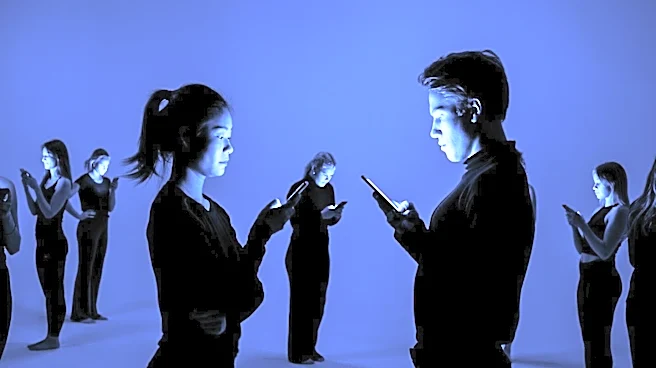
A 2024 consumer survey reveals that Americans spend an average of 6 hours and 35 minutes on screens each day. This extensive screen time is accompanied by frequent phone interactions, with individuals picking up their phones approximately 108 times daily,
equating to roughly every 10 minutes. This data underscores a pervasive reliance on digital devices and constant connectivity in daily life. The survey highlights a cultural trend where intentional disconnection from technology is becoming increasingly rare, contrasting with practices like Shabbat dinners, which offer a structured 25-hour period of digital detox. The observation suggests that many individuals find it challenging to go even short periods without checking notifications, indicating a deeply ingrained habit of digital engagement.
Why It's Important?
The significant amount of daily screen time and frequent phone checks among Americans have broad implications for public health, productivity, and social interaction. Excessive screen time can contribute to digital eye strain, sleep disturbances, and potentially impact mental well-being, as suggested by concerns raised in other contexts regarding youth mental health and social media. For the workforce, constant notifications and device checks can fragment attention, reduce focus, and decrease overall productivity, affecting both individual performance and organizational efficiency. Socially, this pervasive digital engagement can diminish the quality of in-person interactions, leading to a sense of 'present but absent' in social settings. The data points to a societal challenge in balancing the benefits of connectivity with the need for intentional disconnection and mindful technology use. The contrast with practices like Shabbat highlights a growing interest in and perceived benefits of structured breaks from digital devices, suggesting a potential shift in cultural values towards valuing presence and focused interaction.
What's Next?
Given the high levels of screen time, there may be an increased focus on promoting digital wellness and mindfulness practices. This could lead to a rise in demand for tools and strategies that help individuals manage their screen usage, such as app-based timers, 'do not disturb' features, and digital detox programs. Employers might also explore policies or initiatives to encourage healthier tech habits among their employees to improve focus and reduce burnout. Public health campaigns could emerge to educate individuals about the potential health impacts of excessive screen time and encourage intentional breaks. Furthermore, the observed trend might spur innovation in technology design, with developers potentially incorporating features that promote more balanced usage or offer 'lite' versions of apps to reduce addictive patterns. The discussion around intentional disconnection could also gain traction, with more individuals and communities exploring structured breaks from technology to foster deeper personal connections and mental rejuvenation.
Beyond the Headlines
The pervasive nature of screen time and constant phone checking reflects a fundamental shift in human behavior and interaction, driven by the ubiquity of smartphones and digital platforms. This phenomenon raises deeper questions about the nature of attention in the digital age, the psychological mechanisms behind habitual device checking, and the long-term societal consequences of living in a hyper-connected world. It challenges traditional notions of leisure, work-life balance, and social engagement, as the lines between these domains become increasingly blurred by digital devices. The data also hints at a potential 'attention economy' where individuals' focus is a valuable commodity, constantly vied for by various digital platforms. The search for 'intentional disconnection' suggests a growing counter-movement, where individuals are actively seeking ways to reclaim their attention and foster more meaningful experiences, highlighting a tension between the allure of constant connectivity and the desire for presence and mindfulness.