





What's Happening?
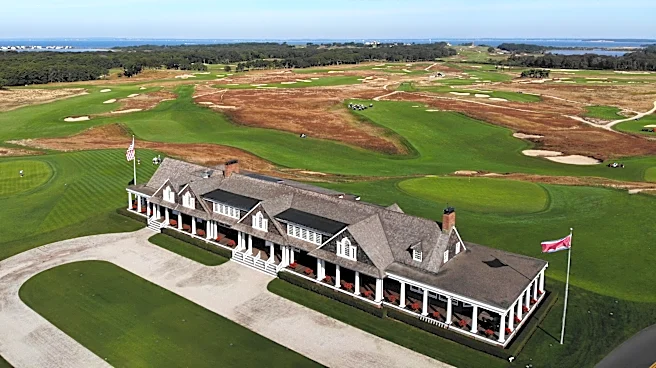
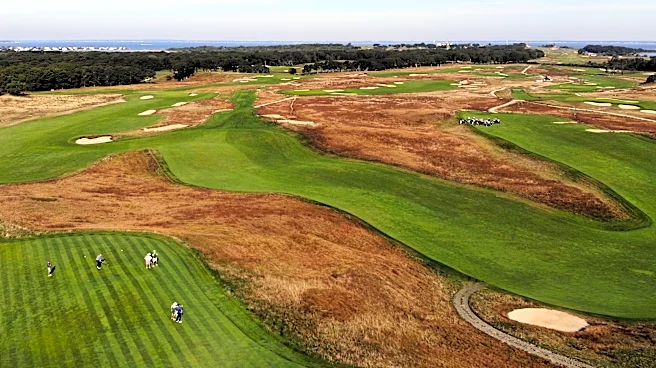
Shinnecock Hills Golf Club in Southampton, New York, is set to host the U.S. Open for the sixth time, reinforcing its status as a key venue for the championship. Although not officially designated as an 'anchor site' by the United States Golf Association
(USGA), Shinnecock is a historic course with a significant legacy, having hosted the second-ever U.S. Open in 1896. The USGA has announced that Shinnecock will host both the women's and men's U.S. Opens in 2036, marking a significant commitment to the venue. USGA CEO Mike Whan emphasized the importance of Shinnecock as a site where both the association and the local community can invest for the long term. Despite not being officially recognized as an anchor site, Shinnecock is part of a broader group of courses that regularly host major championships, alongside officially designated sites like Pinehurst, Oakmont, and Pebble Beach.
Why It's Important?
The decision to frequently return to Shinnecock Hills underscores the course's importance in the world of golf and its role in maintaining the tradition and prestige of the U.S. Open. This move is significant for the local economy, as hosting such events brings substantial tourism and media attention to the area. For the USGA, investing in Shinnecock and similar venues ensures that the U.S. Open is held at courses with historical significance and challenging layouts, which are crucial for maintaining the championship's reputation. The repeated selection of Shinnecock also highlights the USGA's strategy of rotating the U.S. Open among a select group of prestigious courses, which helps preserve the event's legacy and appeal.
What's Next?
Looking ahead, Shinnecock Hills is scheduled to host the U.S. Open again in 2036, with both the women's and men's tournaments taking place consecutively. This dual hosting is expected to further cement Shinnecock's status as a premier golf venue. The USGA's continued investment in Shinnecock and similar courses suggests a long-term strategy of building strong partnerships with key venues. This approach may lead to more frequent announcements of future championships at these sites, providing stability and predictability for the golf community and local economies.