


What's Happening?
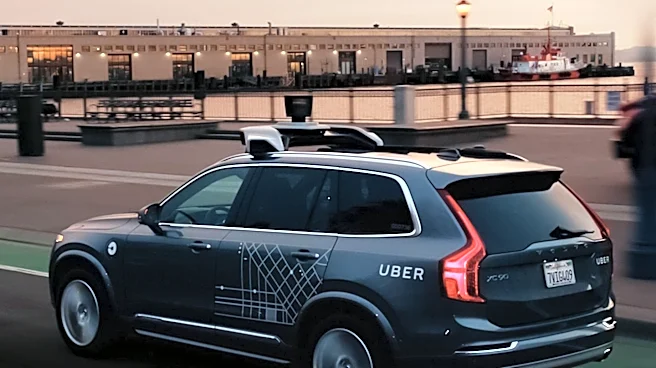
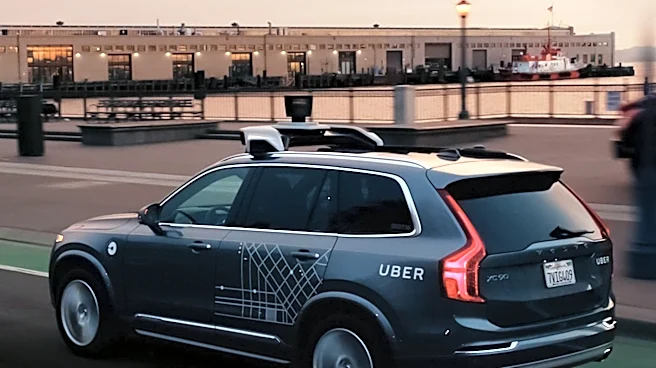
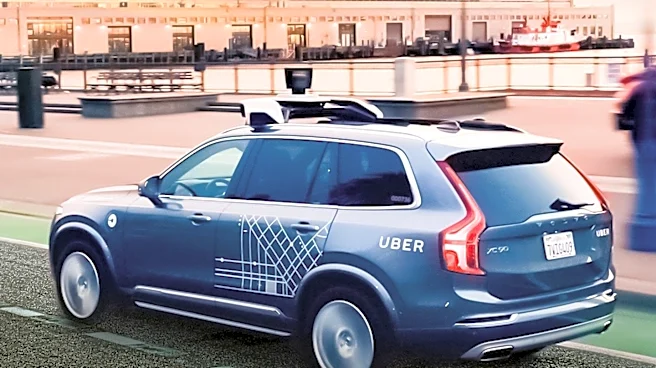
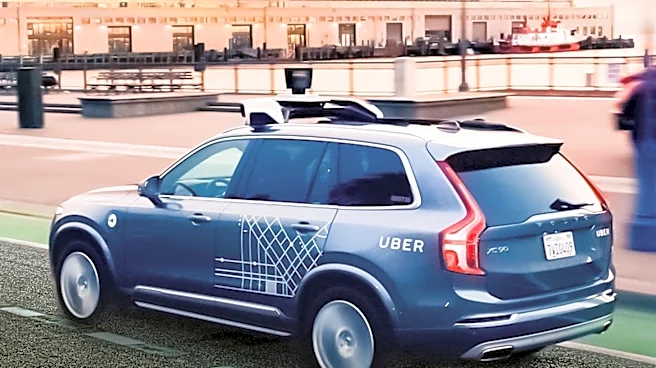
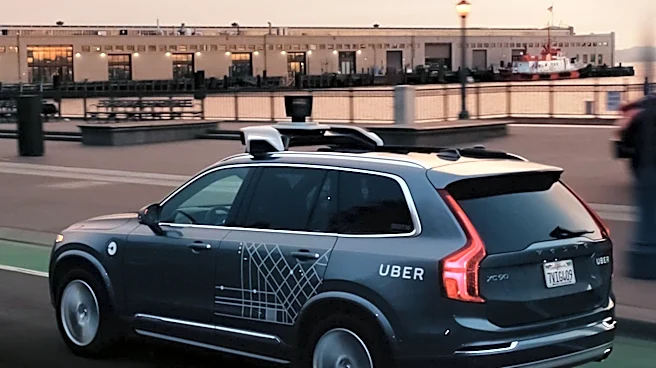
Nuro, Lucid Group, Inc., and Uber Technologies, Inc. have commenced fully driverless testing of robotaxis on public roads across the San Francisco Bay Area. This development follows autonomous testing with a safety driver since December 2025 in the San Francisco Bay Area and Houston.
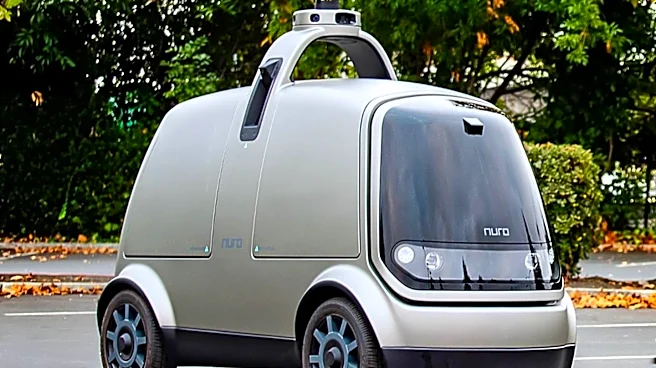
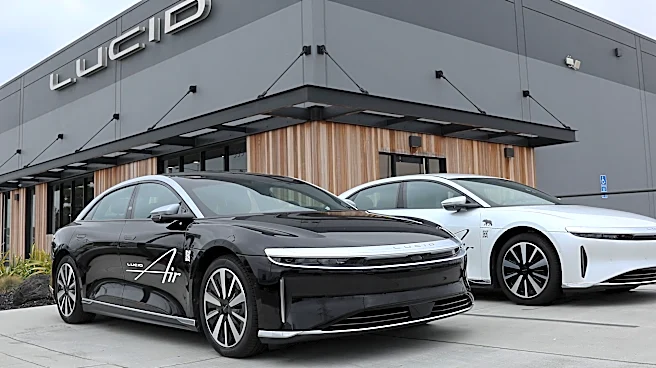
The driverless on-road testing will initially occur in Palo Alto, Mountain View, Los Altos, and Sunnyvale, with plans for expansion to additional Bay Area cities. Employee rides in these driverless vehicles are set to begin soon, preceding a public launch anticipated in Q1 2027. Lucid has supplied over 100 vehicles, featuring hardware, software, and rider-experience updates, to support this phase. Nuro's Safety Case Framework, an evidence-based process, has validated the Nuro Driver's readiness for safe public road operation, incorporating extensive testing, simulation, and closed-course evaluations. Nuro has also secured two key California permits: the CPUC Drivered Pilot Permit for passenger rides with a safety operator and the California DMV Driverless Testing Permit, allowing testing without a driver.
Why It's Important?
This initiative marks a significant advancement in autonomous mobility within the U.S., particularly for the ride-hailing sector. The collaboration between Nuro's Level 4 autonomous driving technology, Lucid's vehicle platform, and Uber's global ride-hailing network could redefine urban transportation. The introduction of driverless robotaxis has the potential to enhance safety by reducing human error, improve efficiency through optimized routing, and lower operational costs for ride-hailing services. For consumers, it could lead to more affordable and accessible transportation options. However, it also raises questions about job displacement for human drivers and the regulatory challenges associated with widespread autonomous vehicle deployment. The success of this program in the San Francisco Bay Area could serve as a blueprint for other major U.S. cities, influencing investment and policy decisions in the autonomous vehicle industry and potentially accelerating the transition to a driverless future.
What's Next?
The next immediate steps involve the commencement of employee rides in the driverless vehicles, which will provide crucial real-world data and feedback before the public launch. The program is slated to launch publicly in the San Francisco Bay Area in Q1 2027. Uber has committed to purchasing at least 35,000 Lucid vehicles equipped with the Nuro Driver, indicating a substantial scaling of operations. Following the initial launch, the companies plan to expand the robotaxi service across dozens of global markets in the coming years. This expansion will likely involve navigating diverse regulatory landscapes and adapting the technology to various urban environments. Continued rigorous testing and validation will be essential to ensure the safety and reliability of the driverless system as it integrates into broader public use.
Beyond the Headlines
The deployment of driverless robotaxis by Nuro, Lucid, and Uber carries profound implications beyond immediate transportation benefits. Ethically, it prompts discussions about accountability in the event of accidents involving autonomous vehicles and the societal impact of automating jobs traditionally performed by humans. Legally, it necessitates the development of comprehensive regulatory frameworks that address liability, insurance, and operational standards for driverless technology. Culturally, the widespread adoption of robotaxis could alter urban planning, reduce private car ownership, and reshape how people interact with transportation services. The success of this program could also accelerate the development of other autonomous applications, such as delivery services and logistics, leading to a broader transformation of industries reliant on transportation. This shift represents a long-term evolution in mobility, potentially leading to more sustainable and efficient urban ecosystems.