



What's Happening?
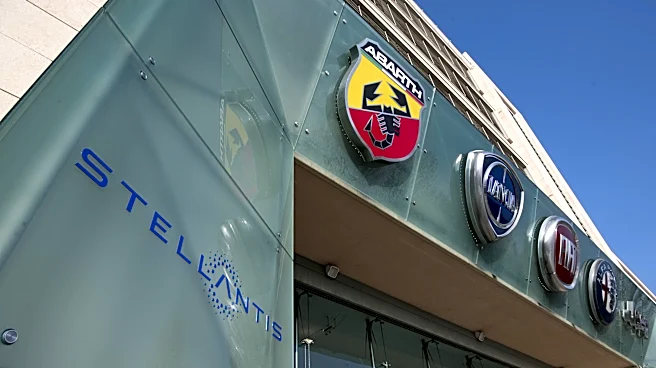
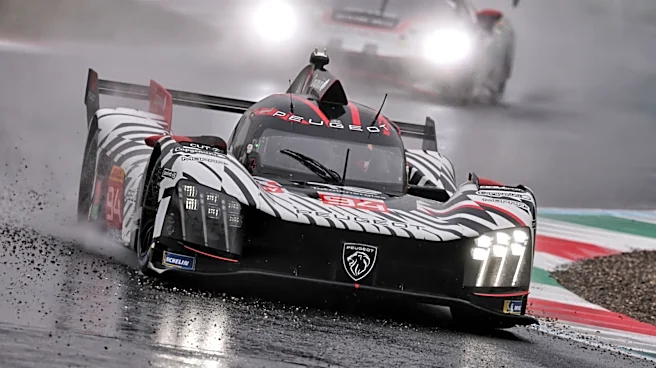
Stellantis, the global automotive giant, has announced its withdrawal from all European motorsport competitions, including Peugeot's participation in the 24 Hours of Le Mans and Citroën and Opel's involvement in Formula E. This decision, communicated
to employees on Monday, is part of a broader strategic plan initiated by CEO Antonio Filosa in May 2025, aimed at improving the company's profitability after significant losses in 2025. The company will cease its involvement in FIA World Championships by the end of 2027. Specifically, Peugeot's participation in the World Endurance Championship (WEC) will conclude at the end of the 2026 season, while Citroën and Opel will exit Formula E at the end of the current season in summer 2027. Approximately 200 employees, primarily engineers, currently working on these motorsport activities will be redeployed within the company, focusing on developing high-performance sports cars and customer racing operations. Stellantis will continue to develop exclusive high-performance models for brands like Alfa Romeo and Maserati, as well as Veloce, GTi, HF, and GSE versions for Alfa Romeo, Peugeot, Lancia, and Opel, respectively. Rally activities, where Stellantis does not have an official team but develops cars for a single-brand cup, will not be affected.
Why It's Important?
This strategic shift by Stellantis underscores a critical re-evaluation of resource allocation within the automotive industry, particularly in Europe. By exiting high-cost motorsport competitions, Stellantis aims to redirect significant financial and human capital towards its core business objectives: new product development, quality improvement, and broader market coverage, as outlined in its 'Fastlane' strategic plan. This move reflects a broader industry trend where profitability and efficiency are prioritized over brand visibility through expensive sporting endeavors, especially during economically challenging periods. For the U.S. market, while the direct impact on consumers might be limited, it signals Stellantis's commitment to strengthening its foundational brands like Jeep and Ram, which are crucial to its North American operations. The redeployment of skilled engineers to develop high-performance road vehicles could lead to more innovative and competitive products in the consumer market, potentially benefiting U.S. buyers with advanced automotive technology and design. The decision also highlights the pressure on global automakers to streamline operations and focus on sustainable growth in a rapidly evolving automotive landscape.
What's Next?
Following this announcement, Stellantis will proceed with the phased withdrawal from various motorsport championships, with Peugeot concluding its WEC participation by the end of 2026 and Citroën and Opel exiting Formula E by summer 2027. The approximately 200 employees affected by this change will be redeployed to other internal projects, primarily focusing on the development of high-performance road vehicles and customer racing programs. This internal reallocation of talent is expected to bolster Stellantis's efforts in creating more competitive and innovative consumer vehicles across its brand portfolio. The company will continue to focus on its four core brands: Fiat, Peugeot, Jeep, and Ram, as part of its FaSTLAne 2030 strategic plan. Industry observers will be closely watching to see how these reallocated resources translate into tangible product improvements and market performance, particularly in key markets like the U.S. The CFE-CGC union at Stellantis has expressed concern, calling the decision a 'blow' to employees and demanding transparency regarding the project and the future of the Satory site, historically dedicated to motorsport. Further discussions between management and unions are likely to address these concerns.
Beyond the Headlines
Stellantis's decision to withdraw from European motorsport competitions reflects a deeper strategic pivot within the global automotive industry, moving away from traditional, high-cost brand-building activities towards more direct investment in product development and market penetration. This shift could signal a broader trend where automotive manufacturers prioritize immediate financial returns and core business strength over the prestige and marketing benefits historically associated with motorsport. The ethical implications for employees, particularly those with specialized skills in racing, are significant, as their careers are being redirected. While Stellantis has committed to redeploying these individuals, the psychological impact of such a change on a dedicated workforce should not be underestimated. Legally, the company will need to navigate existing contracts and commitments with racing organizations and sponsors. Culturally, this move marks a departure from a long-standing tradition of automotive brands using racing as a proving ground for technology and a powerful marketing tool. The long-term shift could see a more utilitarian approach to automotive innovation, driven by consumer demand and profitability rather than the extreme demands of competitive racing, potentially altering the landscape of automotive engineering and design.