







What's Happening?
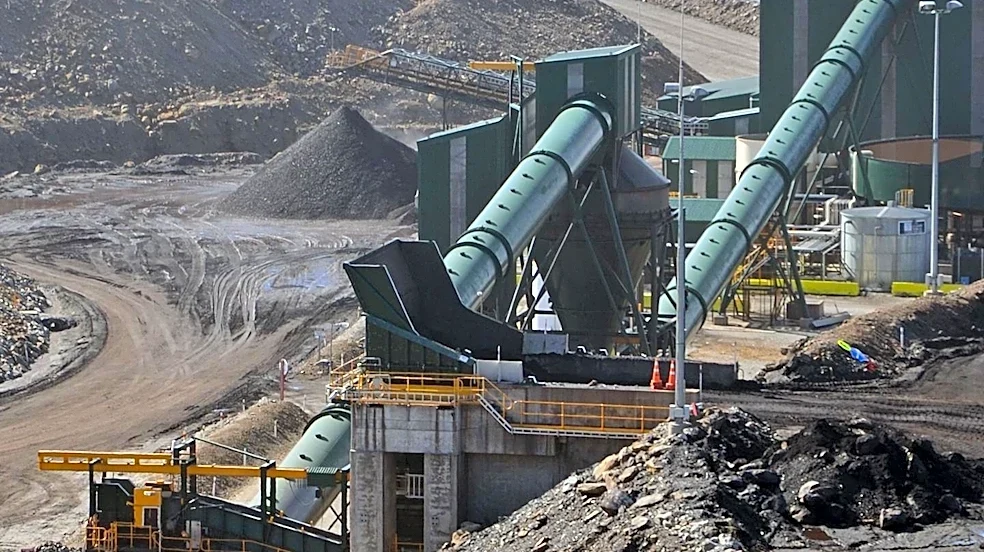
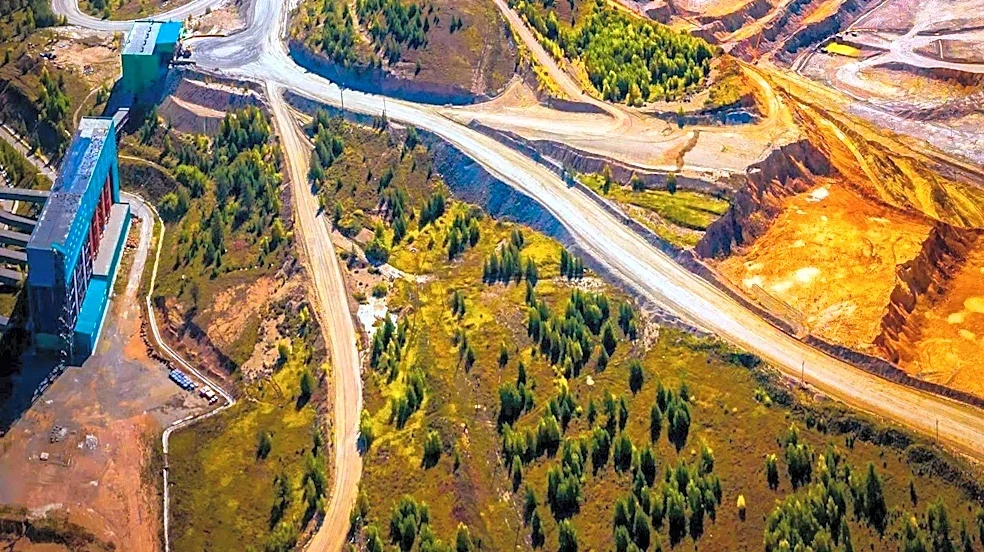
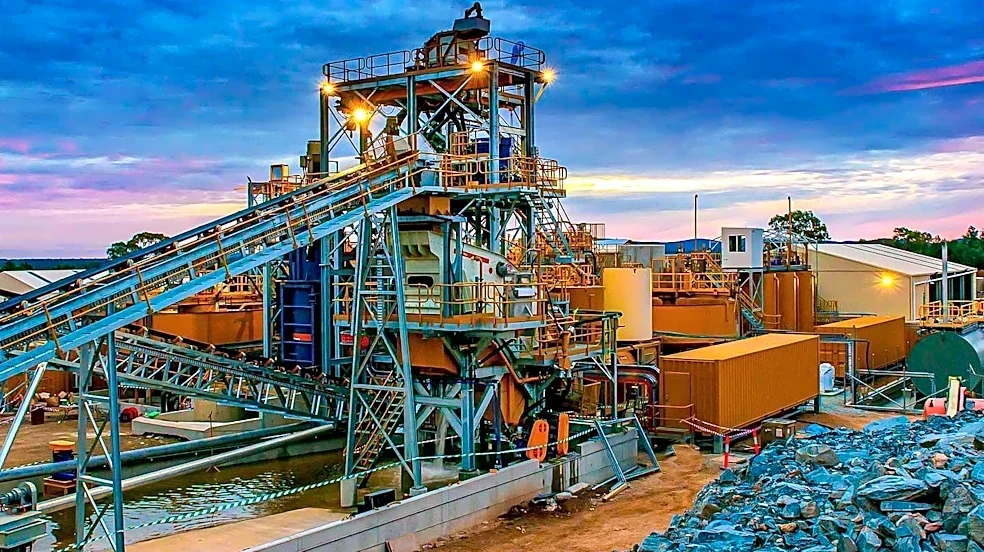
Aris Mining, a Canadian-headquartered gold miner, is pursuing an ambitious goal of producing one million ounces of gold annually. The company currently operates two producing mines in Colombia: Segovia and Marmato. Segovia is projected to yield between
265,000 and 300,000 ounces of gold in 2026, with a steady-state target of 300,000 ounces, making it one of the world's highest-grade gold mines. The Marmato mine is expected to produce 35,000 to 50,000 ounces in 2026, with an expansion plan aiming for 200,000 ounces annually. To achieve its one-million-ounce target, Aris Mining is also developing two additional projects: Soto Norte in Colombia and Toroparu in Guyana. Soto Norte, currently awaiting permits, is estimated to produce up to 263,000 ounces annually in its second year of operation. Toroparu, located in Guyana, is projected to produce an average of 235,000 ounces per year over a 20-year mine life, with a pre-feasibility study expected in Q4 2026.
Why It's Important?
Aris Mining's strategy to significantly increase its gold production has several important implications for the mining industry and the economies of Colombia and Guyana. Achieving a million ounces annually would position Aris Mining as a major global gold producer, potentially influencing market dynamics and investor confidence in the company. For Colombia, the expansion of Segovia and Marmato, along with the development of Soto Norte, signifies continued foreign investment and job creation in the mining sector. This could contribute to regional economic development, although it also raises questions about environmental impact and community relations, which are often critical considerations in large-scale mining projects. Similarly, the Toroparu project in Guyana represents a substantial investment that could boost the Guyanese economy. The success of these projects hinges on navigating complex permitting processes, managing operational risks inherent in mining, and maintaining stable political and social environments in both countries. Investors will be closely watching the progress of these developments as they represent significant growth potential for the company.
What's Next?
The immediate next steps for Aris Mining involve securing the necessary permits for its Soto Norte project in Colombia and completing the pre-feasibility study for the Toroparu project in Guyana, which is anticipated in the fourth quarter of 2026. The company will also focus on ramping up production at its existing Segovia and Marmato mines to meet their steady-state targets, including bringing Marmato's new processing plant online. Investors will be monitoring these milestones closely, as well as any potential construction delays or cost overruns that could impact the company's ambitious production goals. The successful development and operation of these new mines, coupled with the sustained performance of existing assets, are crucial for Aris Mining to achieve its one-million-ounce annual production target. The company's ability to manage environmental and social responsibilities in these regions will also be critical for long-term success and stakeholder acceptance.
Beyond the Headlines
Aris Mining's pursuit of a million ounces of gold annually highlights the ongoing global demand for precious metals and the strategic importance of South America as a mining frontier. This expansion also brings into focus the delicate balance between economic development and environmental stewardship in resource-rich nations. Large-scale mining operations often face scrutiny regarding their ecological footprint, water usage, and impact on local communities, particularly indigenous populations. The success of Aris Mining's projects will not only be measured by production figures but also by its ability to implement sustainable practices and foster positive community relations. Furthermore, the political stability and regulatory frameworks in Colombia and Guyana will play a crucial role in the long-term viability of these ventures. The company's growth trajectory could also influence other mining companies to explore or expand operations in the region, potentially leading to increased competition and further development of the South American mining landscape.