





What's Happening?
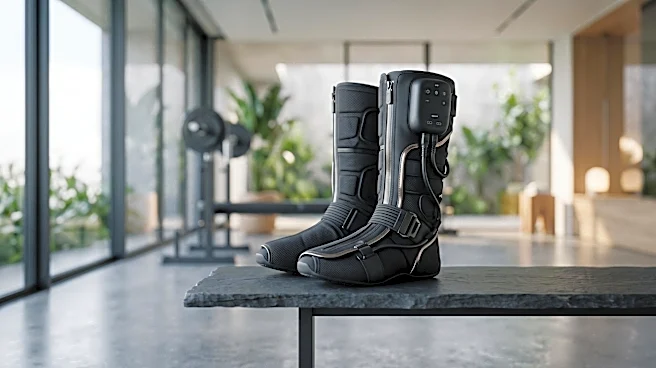
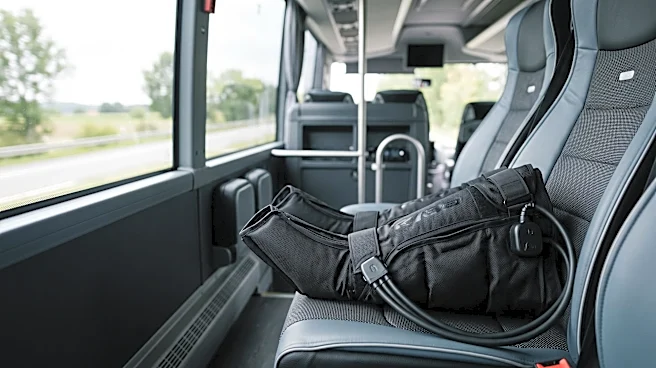
The DECATHLON CMA CGM cycling team has incorporated compression boots, alongside other recovery tools from BLACKROLL®, into their comprehensive recovery strategy. These compression boots are utilized by the athletes immediately after stages or intense
training sessions, often during transfers on the team bus or at the hotel. This integration is part of a broader effort to optimize muscle recovery, conserve energy, and maintain performance throughout the demanding cycling season, including events like the Tour de France. Beyond compression boots, the team's recovery essentials also include specialized sleep solutions like the RECOVERY BASE 2.0 mattress and RECOVERY PILLOWS, as well as other muscle recovery tools such as rollers, balls, and massage guns. Athletes have expressed that using compression boots has become a comforting routine, allowing them to unwind while aiding their physical recovery.
Why It's Important?
The adoption of advanced recovery technologies like compression boots by professional sports teams such as DECATHLON CMA CGM highlights a significant trend in elite athletics. This integration underscores the growing emphasis on athlete wellbeing and performance optimization through sophisticated recovery protocols. For the U.S. sports industry, this demonstrates the increasing investment in sports science and technology to gain a competitive edge. It also influences consumer trends, as amateur athletes and fitness enthusiasts often look to professional practices for guidance on their own training and recovery. The team's positive feedback on the routine and comfort provided by these tools suggests that psychological benefits, such as unwinding and creating a sense of normalcy during demanding schedules, are as valuable as the physical recovery aspects. This holistic approach to athlete care could set new benchmarks for sports organizations and individual athletes across various disciplines in the U.S.
What's Next?
The continued integration of recovery technologies by high-profile sports teams is likely to drive further innovation and adoption within the broader U.S. sports and fitness market. We can anticipate increased research and development into more effective and personalized recovery solutions, potentially leading to advancements in compression technology, wearable recovery devices, and integrated recovery systems. This trend may also spur greater collaboration between sports teams, technology providers, and sports science institutions to validate and refine recovery protocols. For consumers, the visibility of these tools in professional sports will likely boost demand, prompting manufacturers to expand their product lines and make these technologies more accessible. Furthermore, sports medicine practitioners and trainers may increasingly incorporate such tools into their recommended recovery plans for athletes at all levels.
Beyond the Headlines
The widespread use of recovery tools like compression boots in professional cycling reflects a deeper cultural shift in sports, moving beyond just training and competition to a more holistic view of athlete management. This includes meticulous attention to sleep, nutrition, mental health, and physical recovery as integral components of performance. The narrative from the DECATHLON CMA CGM team athletes, emphasizing the comfort and routine aspects of using compression boots, points to the psychological benefits of recovery rituals. In a high-pressure environment, these routines can provide a sense of control and normalcy, contributing to mental resilience. This highlights that recovery is not solely a physiological process but also a psychological one, where comfort and routine play a crucial role in an athlete's overall wellbeing and sustained performance. This comprehensive approach could influence how sports programs are structured, emphasizing recovery as much as training.