





What's Happening?
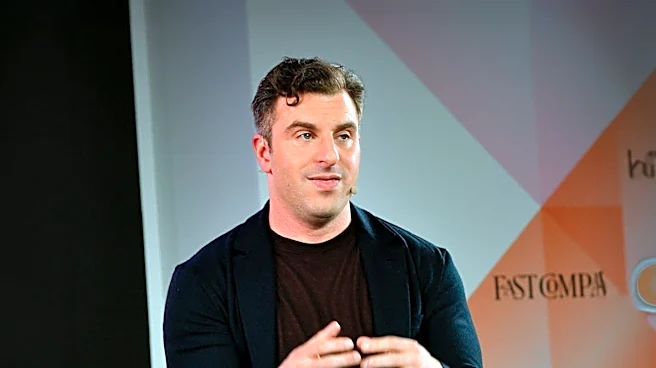
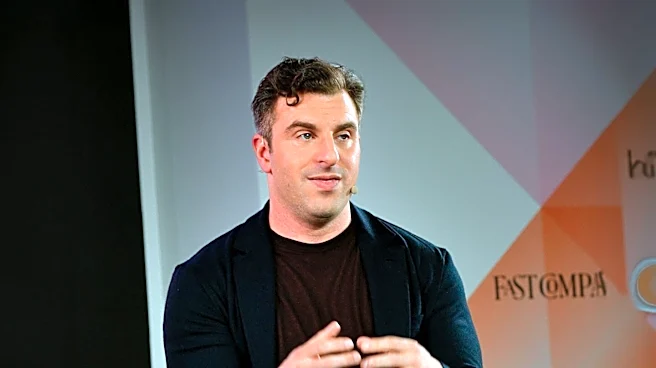
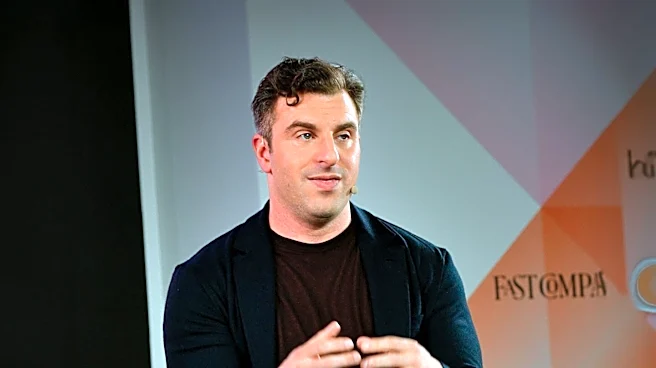
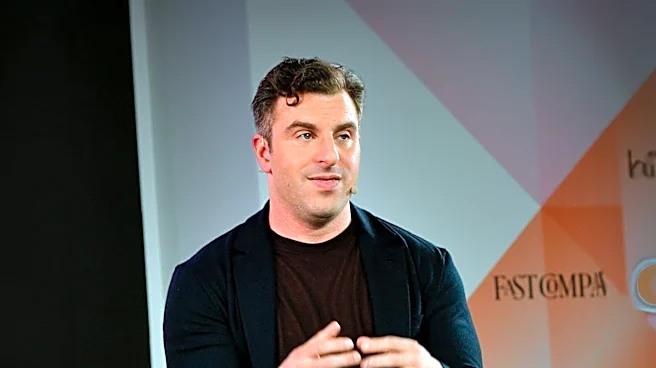
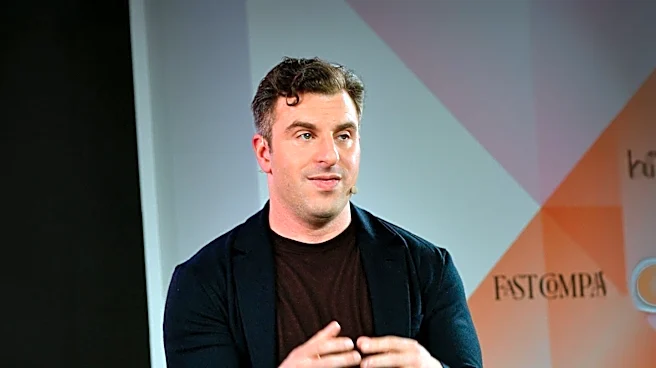
Brian Chesky and Joe Gebbia, the founders of Airbnb, are highlighted as 'outsider innovators' who disrupted the traditional hotel industry. Starting in 2007 by renting space in their San Francisco apartment, they, along with Nathan Blecharczyk, developed
a platform that connected travelers with property owners. This approach challenged the conventional hospitality model, which relied on owning, leasing, or managing hotel properties. Instead of building new hotels, Airbnb leveraged existing homes, creating a new way to organize supply, demand, payments, and trust in the accommodation market. Their success stemmed from questioning the necessity of the traditional hotel structure and identifying an opportunity to utilize unused residential spaces.
Why It's Important?
The story of Airbnb's founding is highly significant for the U.S. business landscape, particularly in the context of entrepreneurial innovation and market disruption. It demonstrates how individuals without traditional industry experience can identify and capitalize on overlooked opportunities, fundamentally altering established sectors. This 'outsider innovator' phenomenon encourages new entrepreneurs to challenge existing norms and business models, fostering a dynamic and competitive market environment. For the U.S. hospitality industry, Airbnb's rise led to significant shifts, prompting traditional hotels to adapt their strategies, focus on unique experiences, and sometimes integrate aspects of the sharing economy. The success of Airbnb also highlights the power of platform-based businesses to scale rapidly without owning physical assets, influencing investment trends and business development across various sectors.
What's Next?
The impact of Airbnb's disruptive model continues to evolve, with ongoing debates and regulatory challenges in various U.S. cities regarding housing affordability, neighborhood impacts, and safety. As the company matures, it faces the task of balancing its innovative spirit with increasing regulatory scrutiny and community concerns. Future developments may include further diversification of its offerings, deeper integration with local economies, and continued efforts to address regulatory complexities. The broader lesson for U.S. industries is the continuous need for adaptability and foresight, as new 'outsider innovators' are likely to emerge, challenging established practices and creating new market dynamics. Businesses must remain agile and open to re-evaluating their core assumptions to stay competitive.
Beyond the Headlines
The narrative of Airbnb as an 'outsider innovator' delves into the deeper philosophical question of why experts sometimes miss revolutions. It suggests that deep industry knowledge, while valuable, can also create blind spots, leading established players to overlook opportunities that challenge their ingrained assumptions. The founders of Airbnb, unburdened by the conventional wisdom of the hotel industry, were able to ask fundamental questions about how accommodation could be provided. This phenomenon underscores the importance of diverse perspectives and critical thinking in fostering innovation. It also highlights the tension between established institutions, which often prioritize stability and incremental improvement, and disruptive forces that seek radical transformation, often leading to both economic growth and societal challenges that require careful navigation.