







What's Happening?
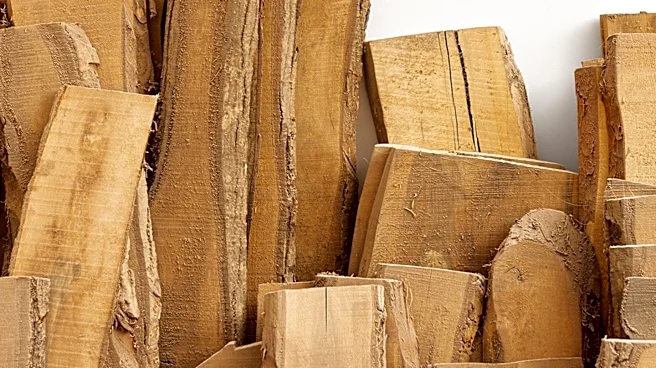
Ehsan Ullah Sardar, a Ph.D. student at the University of Maine, is leading a research project focused on transforming wood waste and byproducts into advanced manufacturing materials. His work, part of the National Science Foundation’s Maine-FOREST project,
involves creating cellulose nanofiber directly from raw biomass, including various types of wood and recycled paper products. Sardar is experimenting with retaining different amounts of lignin, the natural binding agent in wood, to observe its impact on the properties of cellulose nanofiber. These lignin-rich fibers are then blended with common plastics like polypropylene (PP), polyurethane (PU), and polylactic acid (PLA) to develop composite materials. The goal is to produce composites that are stronger and more sustainable than conventional plastics. This research addresses the chemical challenge of blending hydrophilic cellulose nanofiber with hydrophobic plastics by utilizing lignin to improve coupling and dispersion, thereby enhancing the properties of the biocomposites. Sardar's process involves converting raw biomass into pulp, then into cellulose nanofiber with varying lignin content, and finally blending these nanofibers with plastics for testing.
Why It's Important?
This research is significant for the U.S. manufacturing industry and environmental sustainability. By converting wood waste into high-performance materials, it offers a sustainable alternative to traditional plastic-based components, potentially reducing reliance on petroleum-derived products. The development of stronger, more sustainable biocomposites can lead to innovations in various sectors, including packaging, automotive parts, and cosmetics, as corn-based feedstocks are already emerging as biobased alternatives. This initiative aligns with growing regulatory pressures, such as Extended Producer Responsibility (EPR) and the Packaging and Packaging Waste Regulation (PPWR, though this is an EU regulation, it signals a global trend), which emphasize sustainable material use and waste reduction. The University of Maine's role as a leader in bioproduct development underscores the potential for academic research to drive industrial innovation and create new economic opportunities in the bio-based materials sector. Furthermore, the project's educational outreach component, engaging younger students in STEM, is crucial for fostering a future workforce knowledgeable in sustainable practices and bioproduct development, ensuring long-term growth and innovation in this field.
What's Next?
Sardar's project is incorporating artificial intelligence and machine learning models to guide experiments, aiming to predict promising biocomposite formulations more efficiently than through traditional trial-and-error methods. This integration of AI could significantly accelerate the development and commercialization of these new materials. The research will continue to explore various combinations of fiber sources, lignin content, and plastic types to optimize material properties. Beyond the lab, the project's outreach efforts will persist, educating younger students about STEM fields and the potential of wood-based materials. The long-term goal is to see these next-generation manufacturing materials adopted by industries, contributing to a more sustainable economy and reducing environmental impact. Continued collaboration with industry partners, such as TimberHP, and further investment in research and development will be crucial for scaling up production and integrating these materials into mainstream manufacturing processes.
Beyond the Headlines
The deeper implications of this research extend to a fundamental shift in how industries view and utilize natural resources. By transforming what was once considered waste into valuable manufacturing inputs, the project challenges conventional linear economic models and promotes a circular economy approach. This not only addresses environmental concerns like carbon emissions and waste generation but also fosters resource independence and resilience. The ethical dimension lies in creating products that are not only functional but also environmentally benign throughout their lifecycle, contributing to public health and ecological well-being. Culturally, this initiative could inspire a broader appreciation for bio-based materials and sustainable innovation, influencing consumer preferences and corporate responsibility. The long-term shift could see a significant reduction in plastic pollution and a revitalization of forest-based economies, particularly in regions with abundant wood resources like Maine, positioning them as leaders in the green manufacturing revolution.