



What's Happening?
Interior designers are urging homeowners to move away from several outdated 1990s decorating trends, including sponge-painted walls, matching furniture sets, and heavy window treatments. According to Liz Williams, founder of Liz Williams Interiors, and Amanda
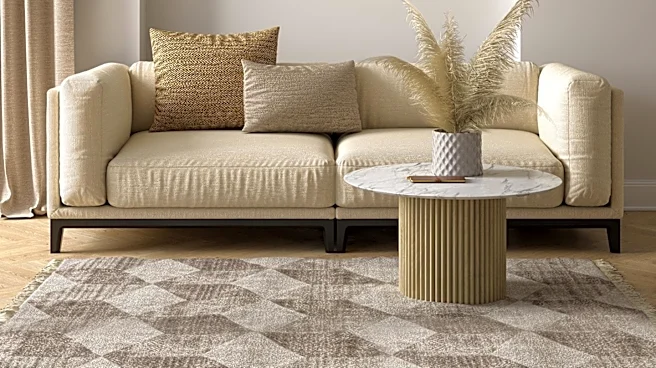
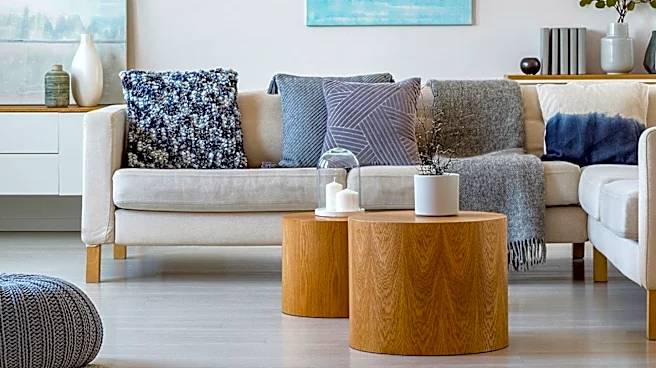
Sinistaj, founder of Ellwood Interiors, these trends often lack timelessness and can make a space feel dated. Instead of faux finishes, designers suggest opting for textured wallpaper like grasscloth, hand-applied limewash, or Venetian plaster, or simply a fresh coat of high-quality neutral paint. The advice extends to furniture, where mixing styles and materials is preferred over uniform sets to create a more curated and personal aesthetic. Additionally, the once-popular teal and mauve color palettes, elaborate window treatments with excessive swags and tassels, wall-to-wall carpeting in living areas, and dark Tuscan-style kitchens are identified as trends that should remain in the past. The shift is towards designs that prioritize cohesion, natural light, and individuality.
Why It's Important?
This shift in interior design recommendations reflects a broader cultural move towards more personalized, sustainable, and timeless home aesthetics. For U.S. consumers, understanding these trends can influence purchasing decisions for home decor, furniture, and renovation projects, potentially leading to increased demand for specific materials like textured wallpapers, diverse furniture pieces, and lighter paint colors. The advice impacts the home improvement industry, from paint manufacturers to furniture retailers and interior design services, by guiding consumer preferences. Homeowners who update their spaces according to these recommendations may find their homes feel more modern and inviting, potentially increasing property appeal and value. Conversely, adherence to outdated trends could lead to spaces that feel stagnant or less desirable. The emphasis on quality paint and textured wall coverings also highlights a move away from quick, DIY faux finishes towards more sophisticated and durable design elements.
What's Next?
As designers continue to advocate for modern aesthetics, consumers are likely to see a greater availability and promotion of recommended alternatives in home improvement stores and showrooms. This includes a wider selection of textured wallpapers, diverse furniture collections that encourage mixing and matching, and curated paint palettes from major brands like Sherwin-Williams, Farrow & Ball, and Benjamin Moore. The trend suggests a continued decline in demand for products associated with the outdated 90s styles, such as heavy drapery fabrics and matching furniture suites. Homeowners undertaking renovations or redecorating projects will likely prioritize these newer recommendations, leading to a gradual transformation of interior spaces across the U.S. The focus on individuality and curated spaces may also encourage more consumers to seek professional interior design advice or explore personalized decor options.
Beyond the Headlines
The rejection of 90s decor trends goes beyond mere aesthetics; it reflects evolving societal values concerning home environments. The move away from mass-produced, matching furniture sets towards curated, individual pieces speaks to a desire for authenticity and self-expression in personal spaces. Similarly, the preference for natural textures and lighter, more open environments over heavy, ornate designs may indicate a broader cultural shift towards minimalism, well-being, and a connection to nature. The emphasis on timelessness over fleeting trends also suggests a growing awareness of sustainability and a desire for investments in home decor that have longevity. This evolution in design philosophy could influence how future generations approach home ownership and interior styling, prioritizing thoughtful curation and enduring quality over transient fads, potentially leading to a more conscious consumption within the home decor market.