



What's Happening?
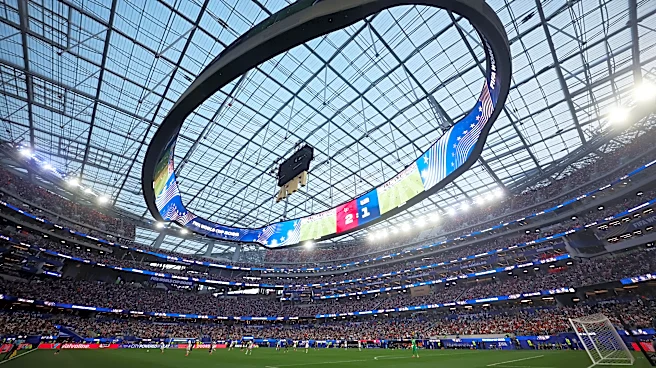
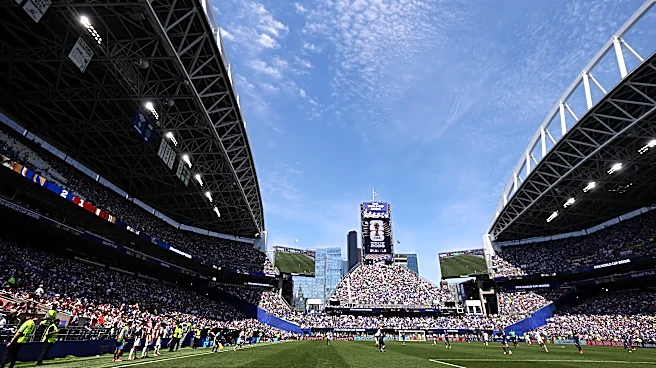
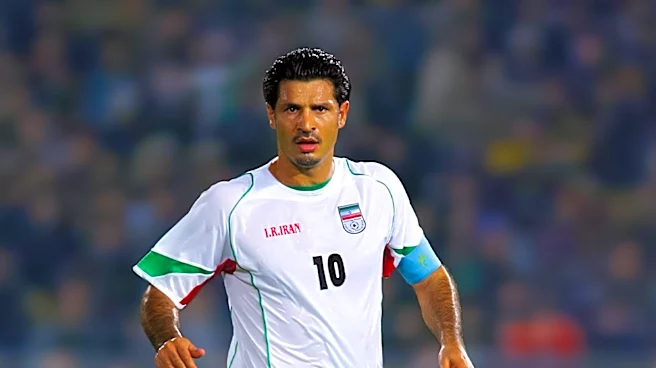
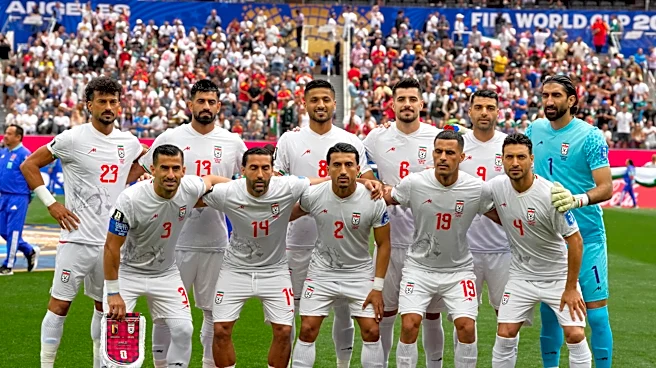
Seattle is set to host a 'Pride Match' during the World Cup, featuring teams from Iran and Egypt, two countries known for their repressive stances on LGBTQ+ rights. The match coincides with Seattle's annual Pride celebrations, showcasing the city's commitment
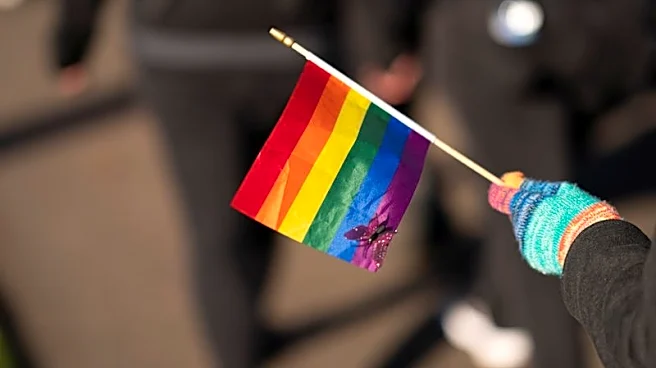
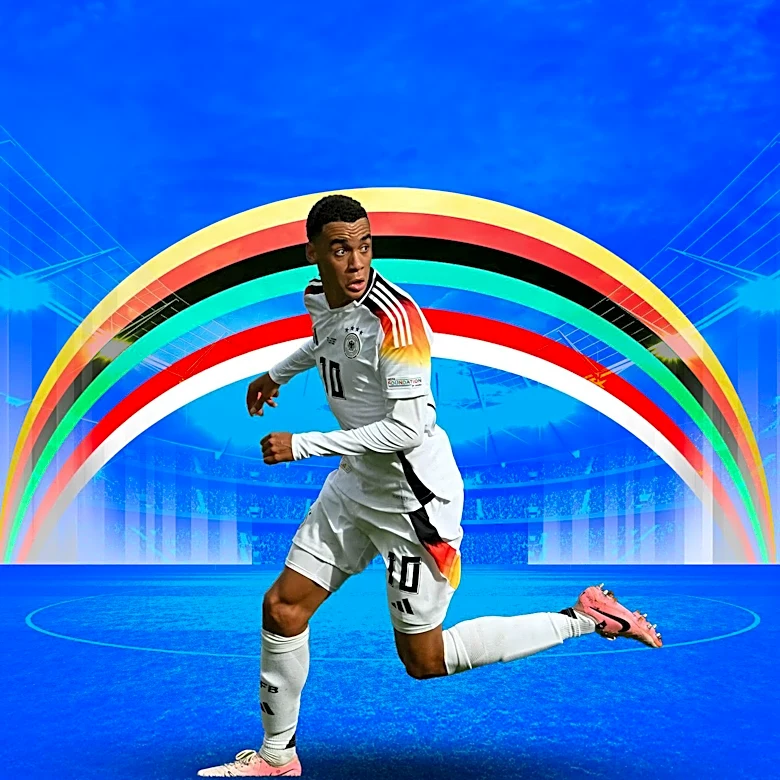
to inclusivity. Despite opposition from Iran and Egypt, who have requested FIFA to cancel the pride-related activities, Seattle officials and the soccer community view the event as an opportunity to promote unity and diversity. Jess Fishlock, captain of the Seattle Reign, emphasized the World Cup's role in bringing together diverse cultures. FIFA has allowed the display of rainbow flags, treating them as a statement of human rights. The match is part of a broader celebration of the LGBTQ+ community in Seattle, with various pride events planned throughout the city.
Why It's Important?
The 'Pride Match' in Seattle is significant as it underscores the ongoing global dialogue about LGBTQ+ rights and inclusivity. By hosting this event, Seattle positions itself as a leader in promoting diversity and acceptance, potentially influencing public opinion and policy on a broader scale. The opposition from Iran and Egypt highlights the cultural and political tensions surrounding LGBTQ+ rights, emphasizing the challenges faced by the community in various parts of the world. This event could serve as a catalyst for further discussions on human rights and inclusivity in sports, potentially impacting future international sporting events and their policies regarding LGBTQ+ representation.
What's Next?
Following the 'Pride Match', Seattle will continue its Pride celebrations with a parade and other events, reinforcing its image as an inclusive city. The reactions from Iran and Egypt may prompt further discussions within FIFA and other international sports organizations about the role of inclusivity in sports. The event could also inspire other cities and countries to host similar events, promoting diversity and acceptance on a global scale. The ongoing dialogue may lead to policy changes within sports organizations, ensuring that inclusivity remains a priority in future events.