









What's Happening?
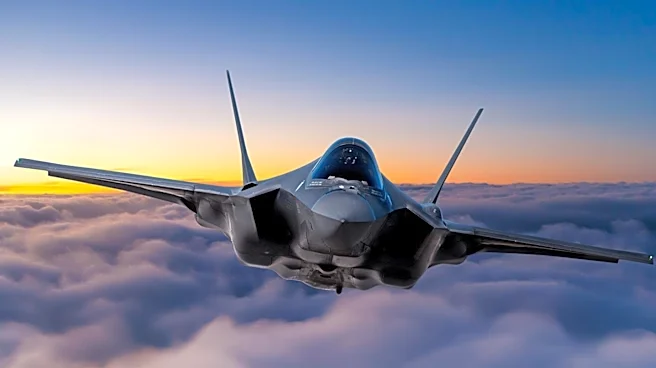
Lockheed Martin has announced a new 10-year production and sustainment framework for its F-35 Lightning II fighter jets. This agreement aims to produce 850 F-35 aircraft for the U.S. military over the next decade, alongside fulfilling international customer
orders, maintaining a production rate of 156 aircraft per year. The framework also includes initial spares and 10 years of modification kits and sustainment. According to Lockheed Martin CEO Jim Taiclet, this multiyear approach will enable upfront investments to expand capacity, improve efficiency, and build a more resilient supply chain. The company anticipates that this agreement will save billions of dollars through long-term pricing and industry volume discounts. However, the finalization of this framework is contingent upon Congress granting multiyear authority and appropriations, which would then allow Lockheed Martin and the F-35 Joint Program Office to establish formal contract terms, pricing, and schedules.
Why It's Important?
This framework is significant for several reasons, primarily for its potential to stabilize and strengthen the U.S. defense industrial base. By providing a predictable, long-term procurement signal, the agreement allows Lockheed Martin and its suppliers to make strategic investments, reducing bottlenecks and improving the efficiency of the F-35 program. This stability is expected to lead to lower costs for taxpayers and enhanced readiness for the U.S. military and its allies. The program is projected to support 317,000 jobs in the U.S. and generate approximately $79 billion in annual economic activity over the next decade. Furthermore, the shift from annual contracting cycles to a multiyear model is intended to improve mission-capable rates for the F-35 fleet by ensuring a more consistent supply of raw materials and critical parts, thereby bolstering national security capabilities and interoperability among allied forces.
What's Next?
The immediate next step for this framework is securing approval from the U.S. Congress. The agreement hinges on lawmakers granting multiyear procurement authority and allocating the necessary appropriations. If Congress provides this authorization and funding in the coming months, Lockheed Martin will then work with the F-35 Joint Program Office to finalize the specific contract terms, pricing, and production schedules. This legislative action is crucial for the framework to transition from a preliminary agreement to a formal, actionable contract. Stakeholders, including defense industry suppliers, will be closely watching congressional deliberations, as the approval will dictate their long-term planning and investment strategies, ultimately impacting the pace and efficiency of F-35 production and sustainment for years to come.
Beyond the Headlines
Beyond the immediate economic and military implications, this long-term framework signals a strategic shift in how the U.S. government plans and executes major defense procurements. By moving towards multiyear contracts, the Pentagon aims to foster greater stability and predictability within the defense industrial base, which has historically faced challenges due to fluctuating annual budgets and short-term contracting cycles. This approach could serve as a model for other large-scale defense programs, promoting more efficient resource allocation, reducing overall costs through economies of scale, and encouraging innovation within the defense sector. It also highlights a commitment to strengthening the supply chain, which has been a critical concern in recent years due to global disruptions. The success of this framework could set a precedent for future defense acquisition strategies, emphasizing long-term partnerships and shared investment between the government and private industry.